Production Line
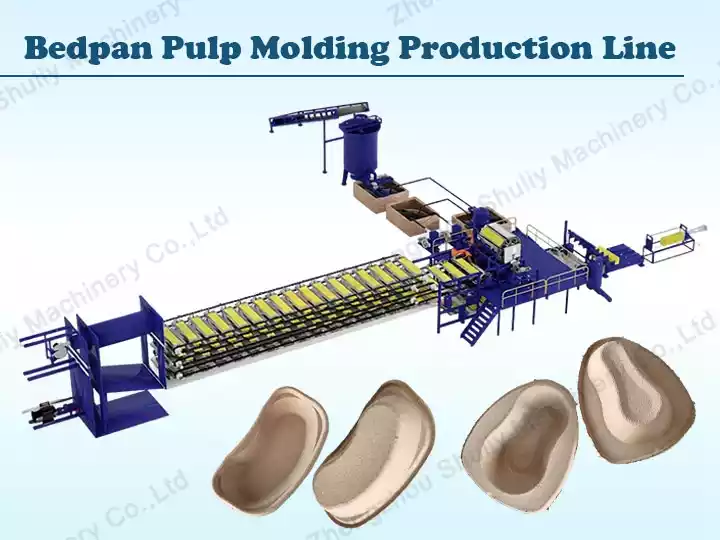
Bedpan Pulp Molding Production Line | Automatic Paper Bedpan Manufacturing
Bedpan pulp molding production line with 1000–8000 pcs/h capacity. Customizable molds produce disposable paper pulp bedpans.
Production Line
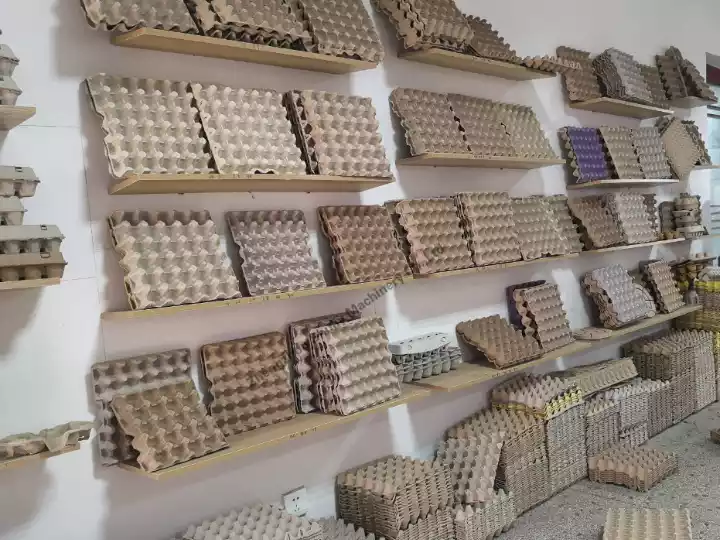
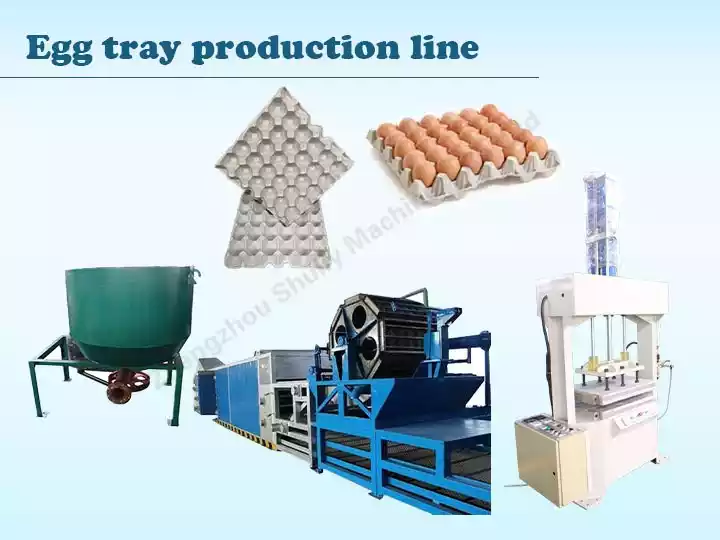
The automatic paper egg tray production line is a device used to produce egg trays. The egg tray machine uses waste paper to make egg trays.
The automatic paper egg tray production line is a device used to produce egg trays. The egg tray machine uses waste paper to make egg trays, which is a very environmentally friendly product.
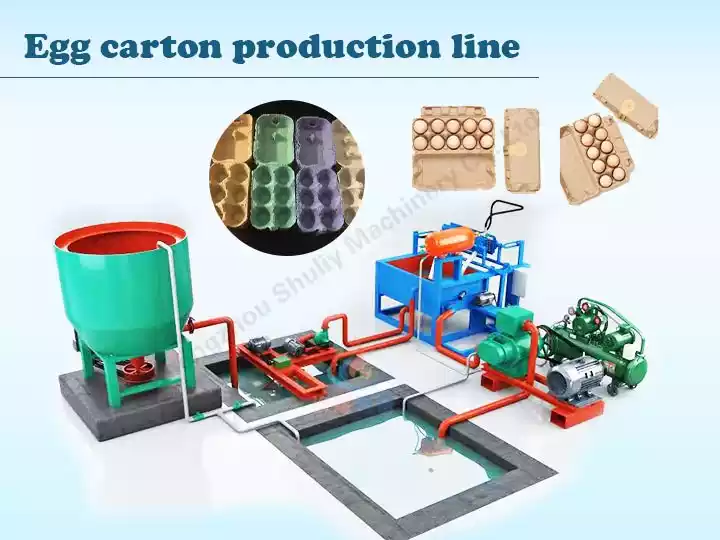
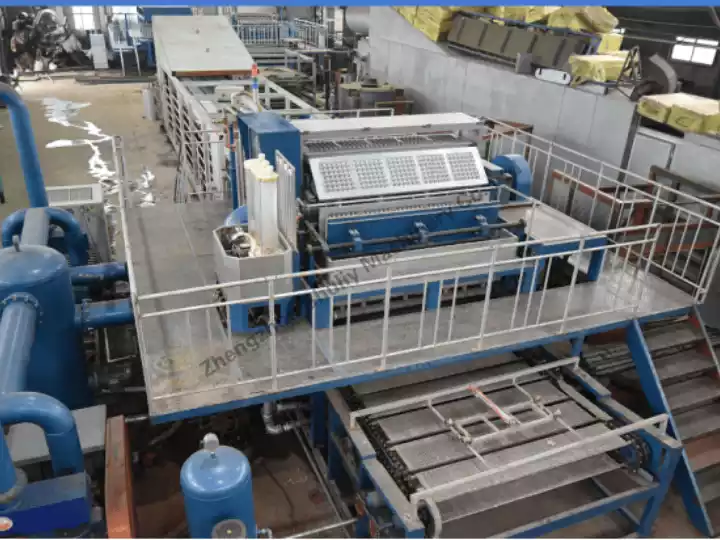
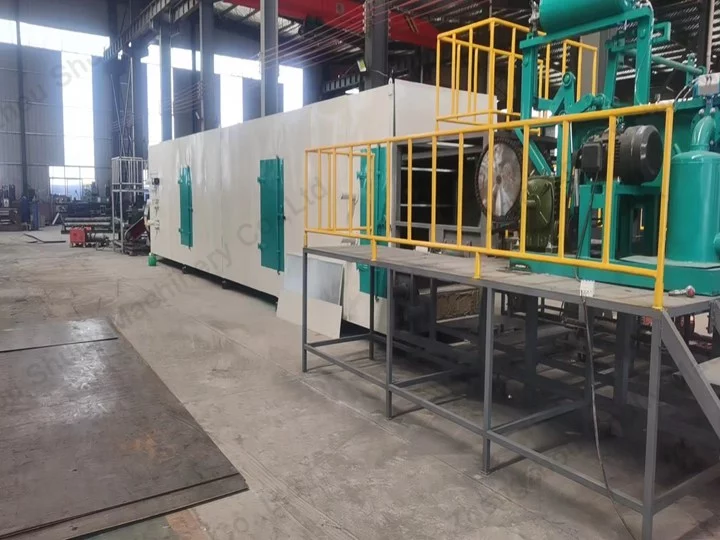
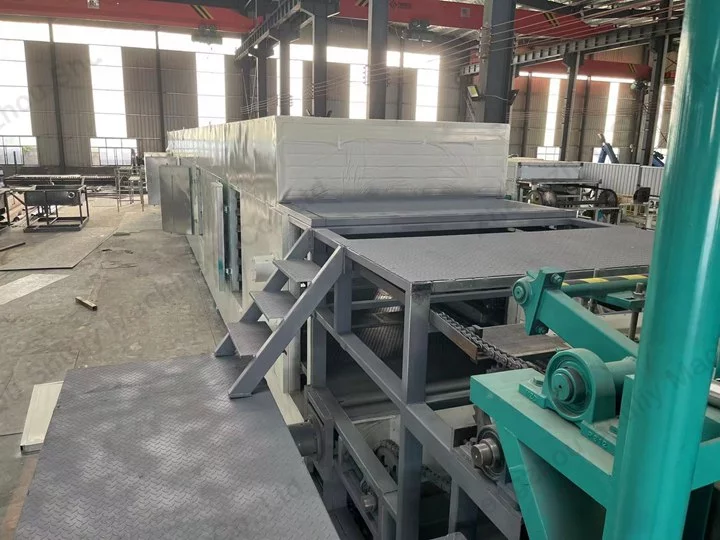
The paper egg tray production line mainly includes the pulping part, the egg tray forming part, the drying part, and the packaging part. The output of Shuliy’s paper egg tray production line is 1000-8000pcs/h.
egg tray manufacturing line video
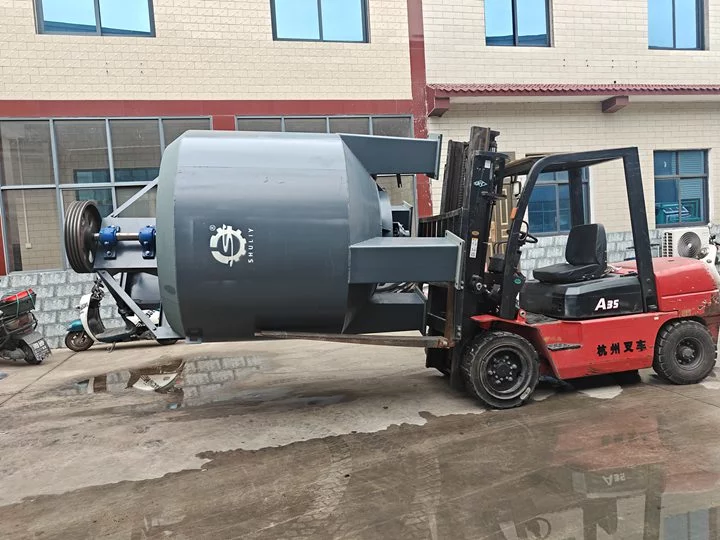
The production of the paper egg tray production line needs to build three pools, which are used for pulping, pulp storage, and a water storage pool, respectively. The required equipment is a hydraulic pulper. It needs to be stirred for nearly 40 minutes.
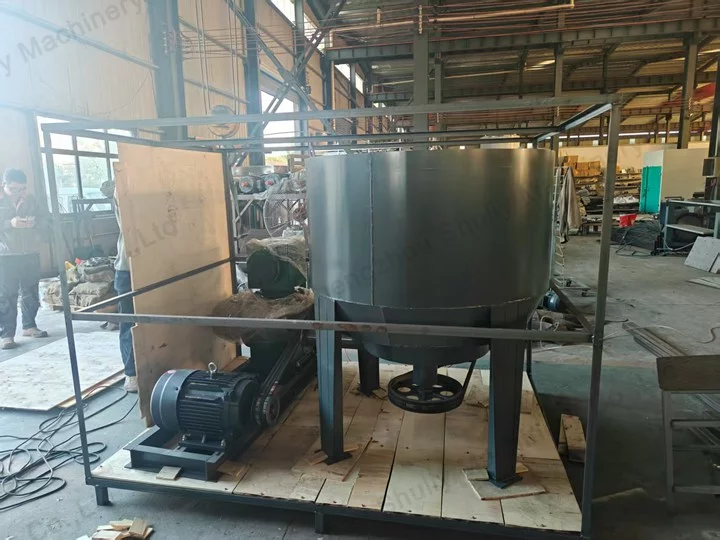
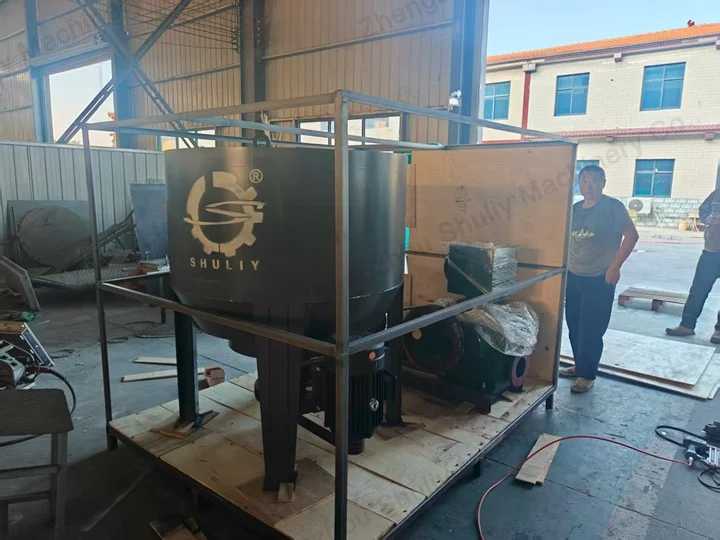
The specific production process is to pulverize the waste paper through a pulper, add water, and transport it to the pulp storage tank, and then put the pulp in the pulp storage tank into the pulp mixing tank to adjust the concentration of the pulp, which can be used. The homogenizer stirs the pulp evenly.
The pulp with a good consistency can be input into the pulp supply tank for processing. The structure of the pulping machine includes several parts: pulping machine, homogenizer, pulp pump, vibrating screen, and pulp disintegrating machine.
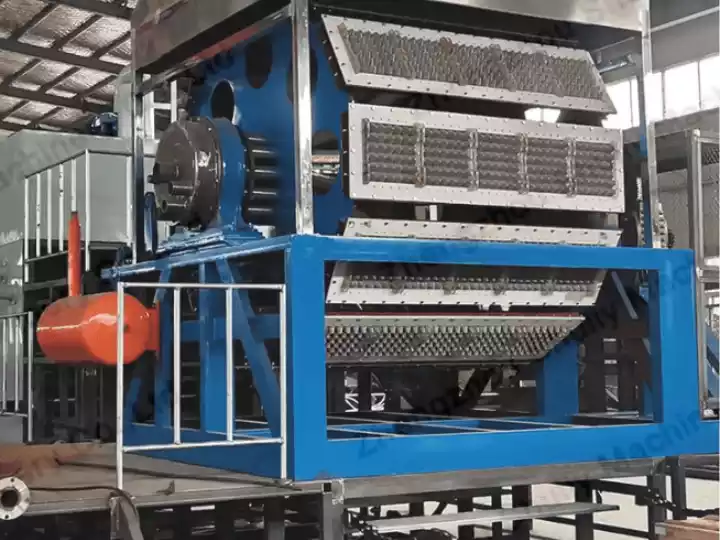
Molding is simply divided into two steps. In the first step, the pulp in the pulp supply tank is adsorbed onto the mold through the vacuum adsorption system. After the mold is adsorbed, it is transferred to the mold to form the shape of the egg tray.
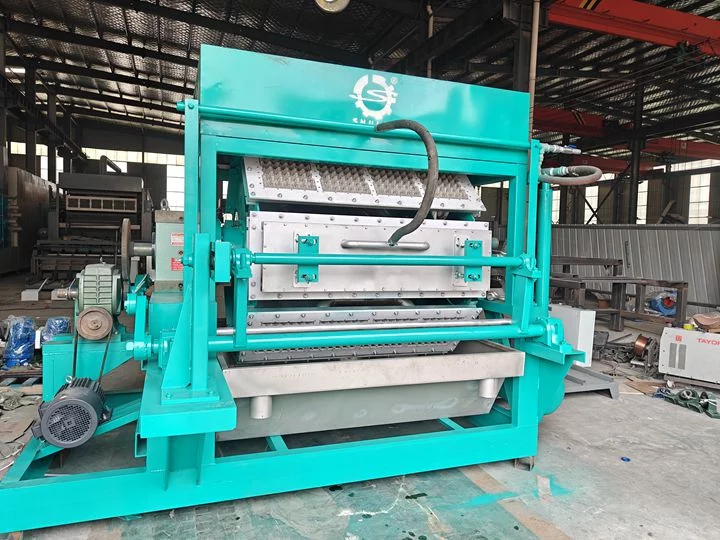
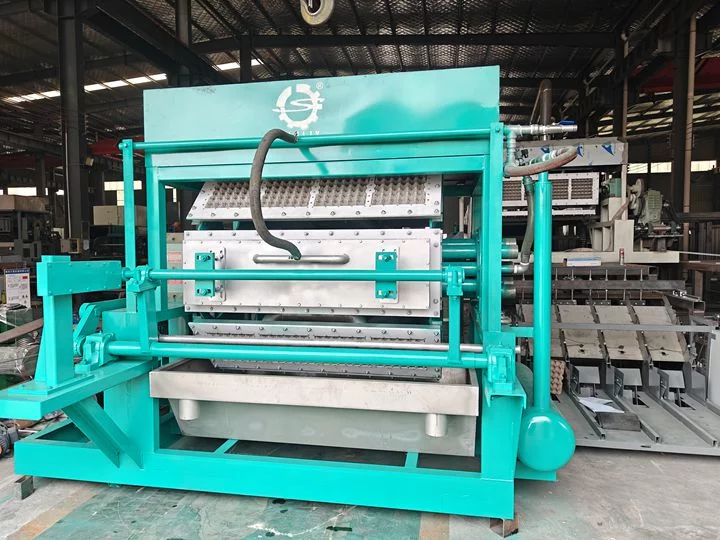
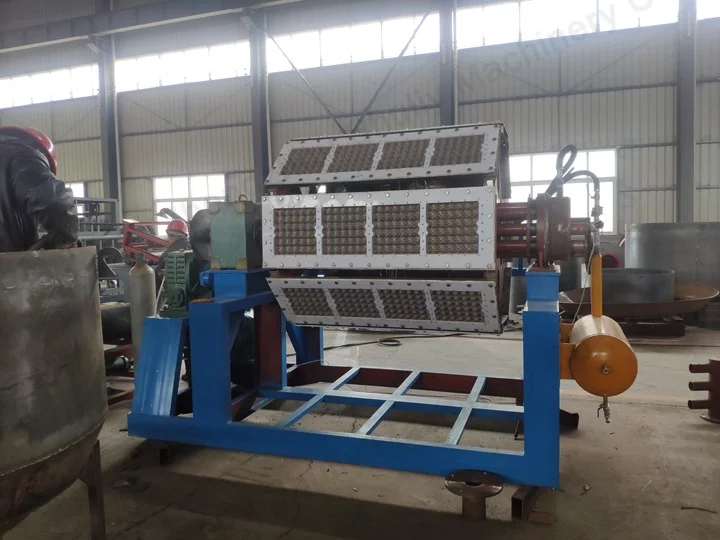
In the second step, the egg tray adsorbed on the mold is transferred to the transfer system through the air compressor, and the machine can be automatically removed.
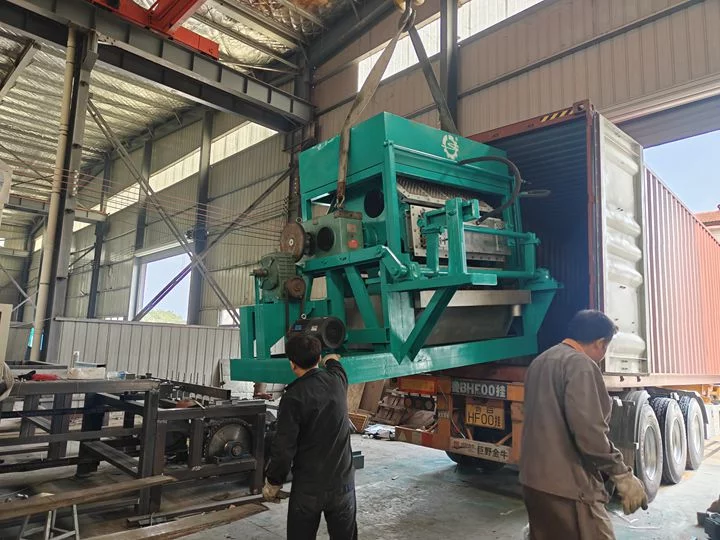
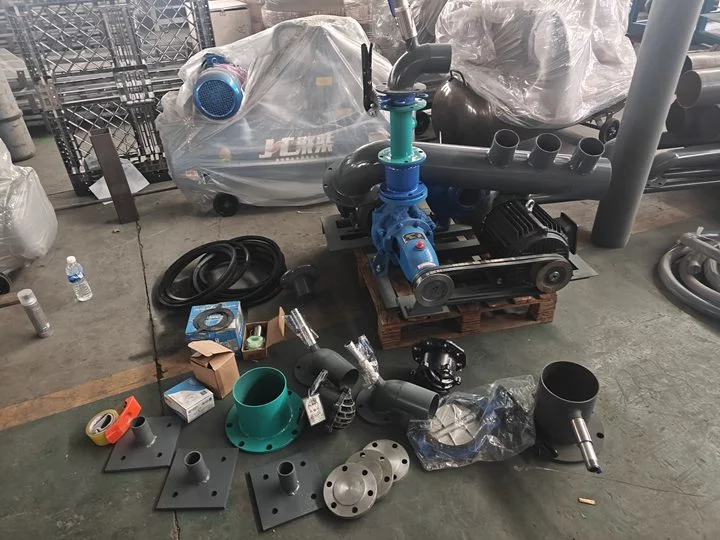
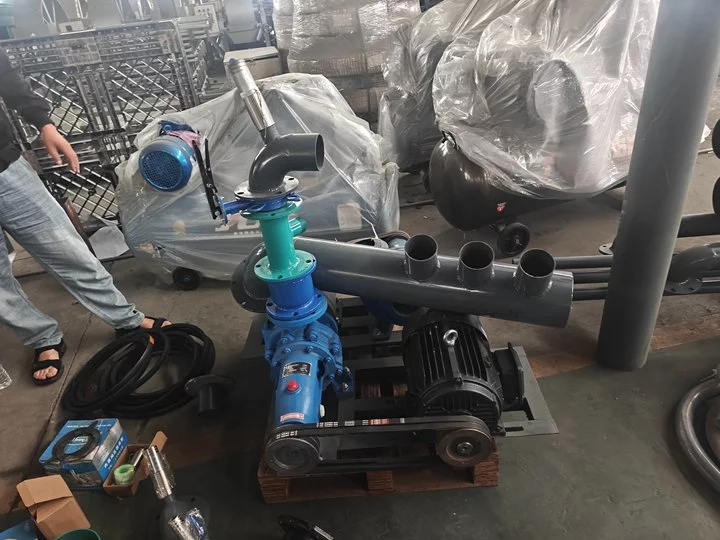
The structure of the egg tray forming machine includes an egg tray forming machine, mold, vacuum pump, negative pressure tank, water pump, air compressor, and mold cleaning machine.
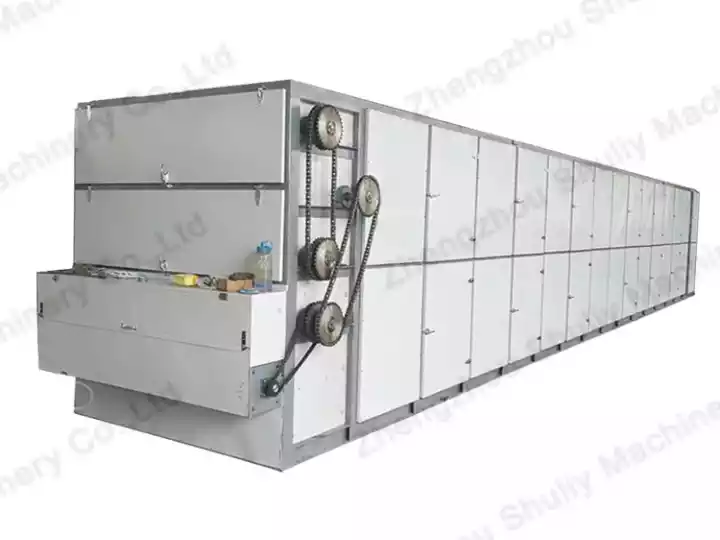
The drying methods of egg trays are divided into natural drying, brick kiln drying, and dryer drying. The drying method is determined according to the output and local climate. With the paper egg tray dryer, the egg trays can be dried in a short time.
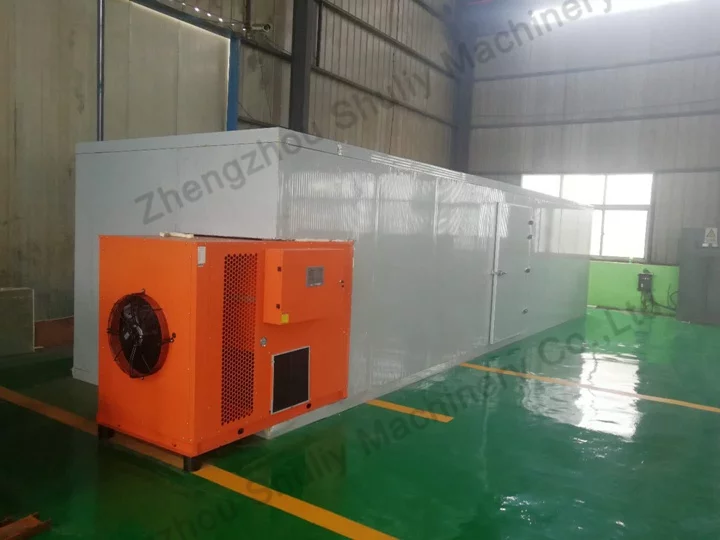
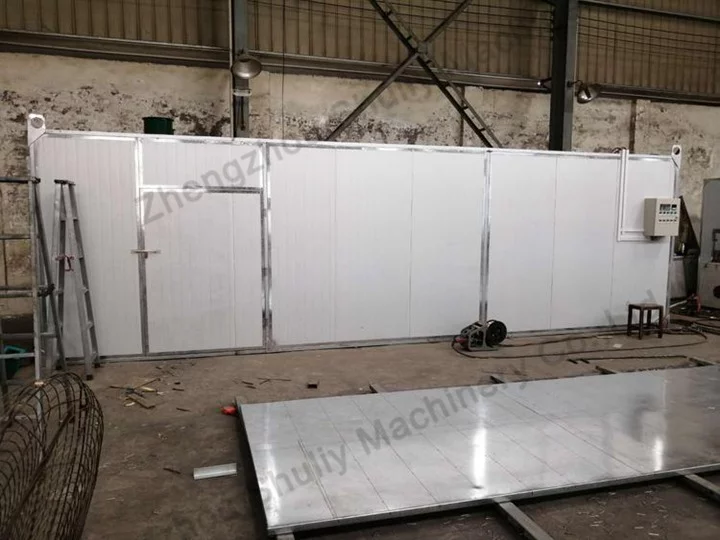
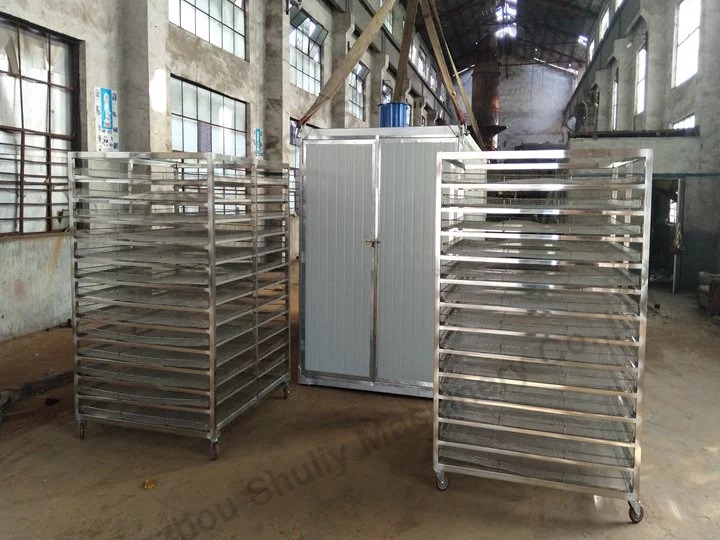
The prepared egg tray is filled with water when it is just finished, but after drying, the moisture is reduced, and the surface of the egg tray will leave some wrinkles, which affects its use. But if you want the surface to be smoother, then you need to be hot-pressed with a hot press forming machine. And the formed egg tray will be more beautiful.
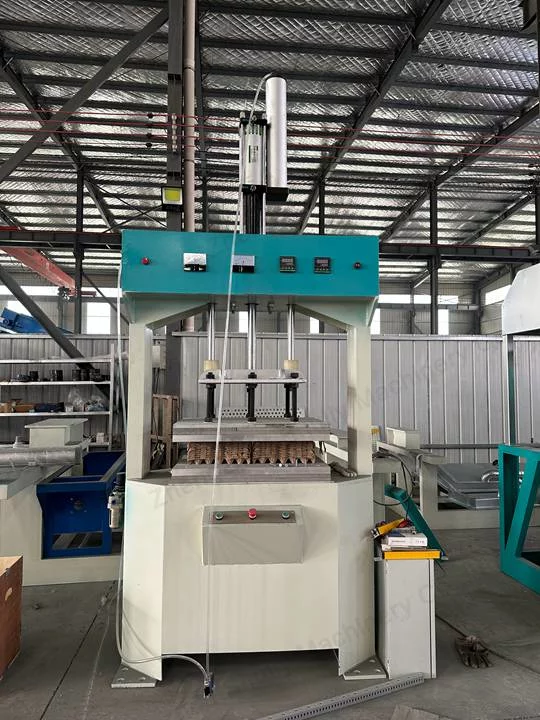
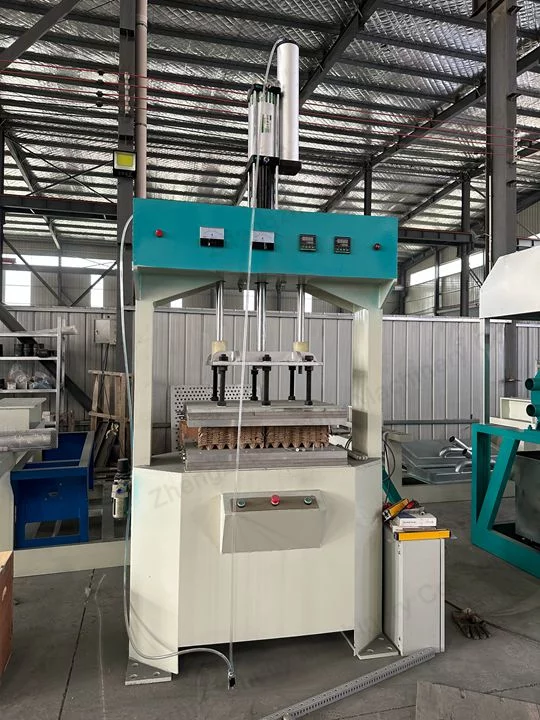
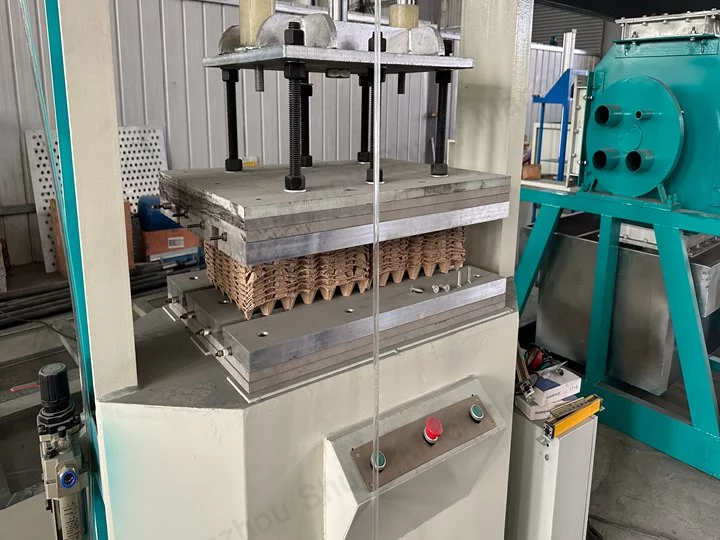
Packaging is the last step of the pulp egg tray production line. The egg tray packaging machine can stack multiple egg trays tightly together.
| Model | Capacity | Paper consumption | Water Consumption | Energy used | Worker |
| SL-3*1 | 1000-1500pcs/h | 120kg/h | 300kg/h | 32kw/h | 3-4 |
| SL-4*1 | 1500-2000PCS/h | 160kg/h | 380kg/h | 45kw/h | 3-4 |
| SL-3*4 | 2000-2500pcs/h | 200kg/h | 450kg/h | 58kw/h | 4-5 |
| SL-4*4 | 3000-3500pcs/h | 280kg/h | 560kg/h | 78kw/h | 4-5 |
| SL-4*8 | 4000pcs/h | 320kg/h | 600kg/h | 80kw/h | 5-6 |
| SL-5*8 | 5000pcs/h | 400kg/h | 750kg/h | 85kw/h | 3-4 |
| SL-6*8 | 6000pcs/h | 480kg/h | 900kg/h | 90kw/h | 3-4 |
| SL-8*8 | 8000pcs/h | 640kg/h | 1040kg/h | 100kw/h | 3-4 |
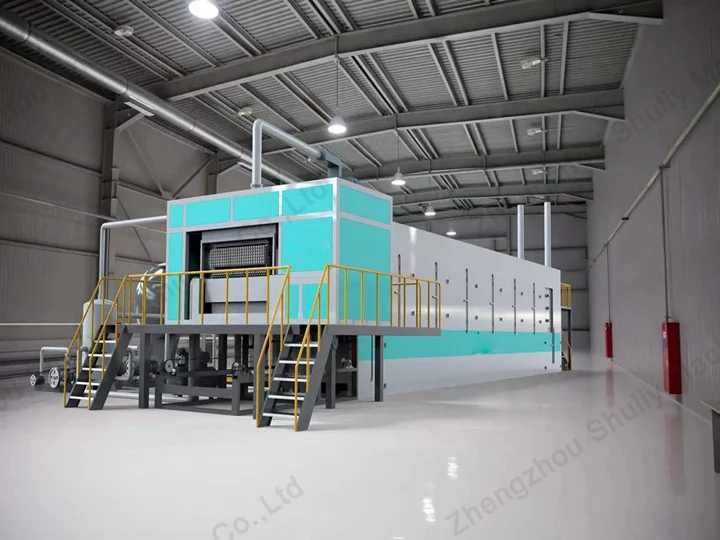
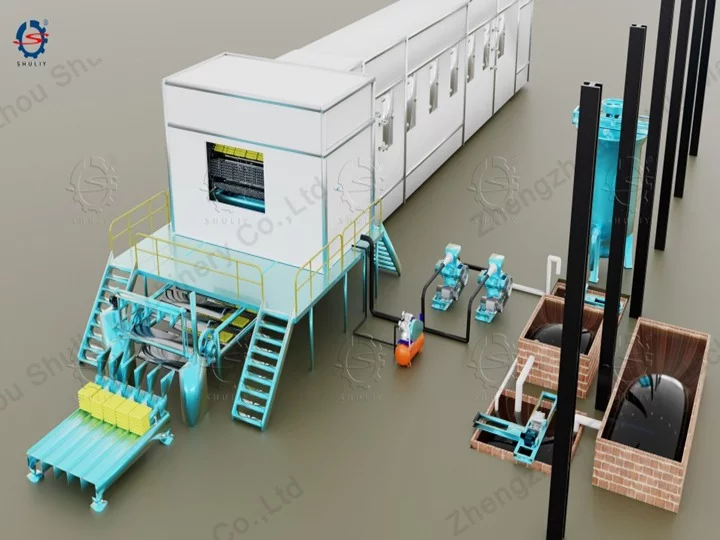
Whether you are looking for small-capacity egg tray production equipment or a large-capacity egg tray machine. We can meet your needs. We have the machine with outputs of 1000pcs/h-8000pcs/h for you to choose from.
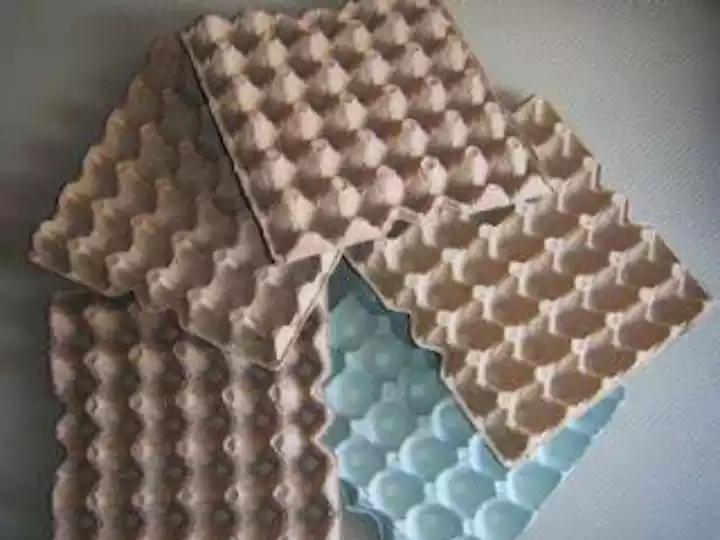
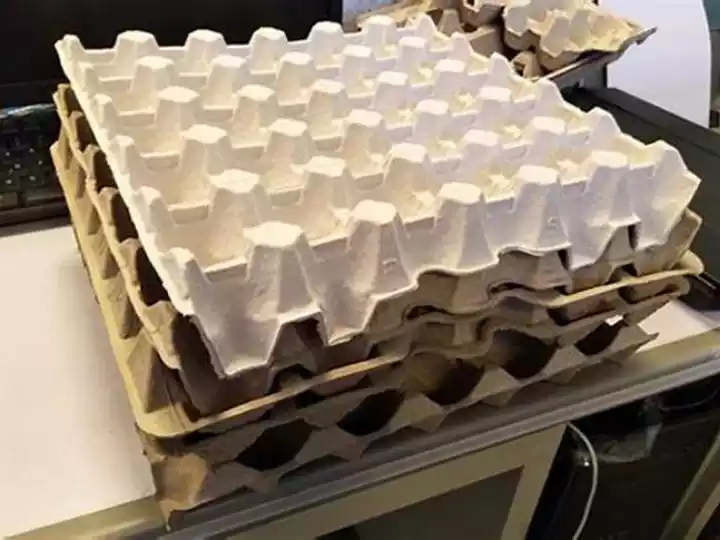
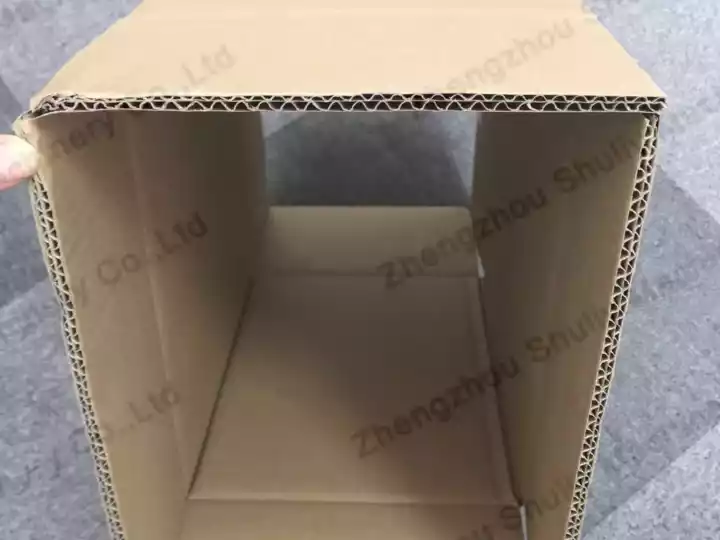
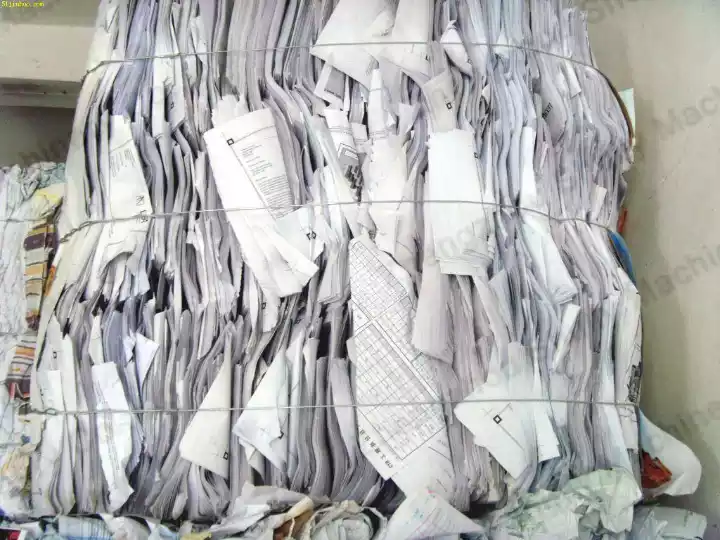
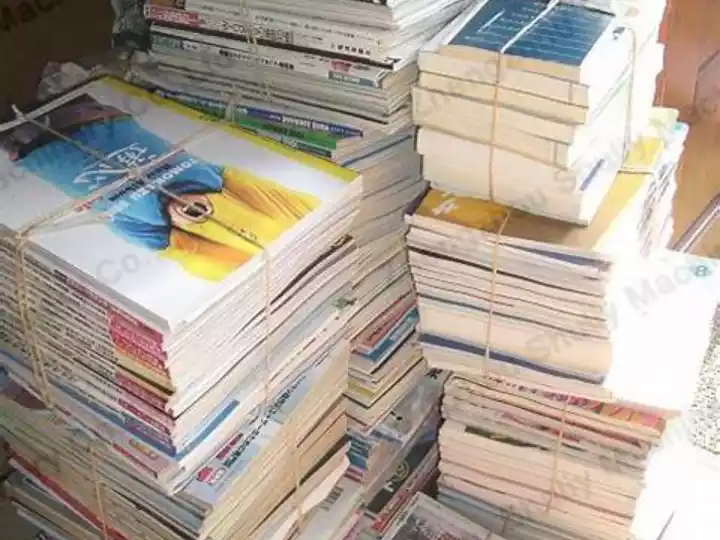
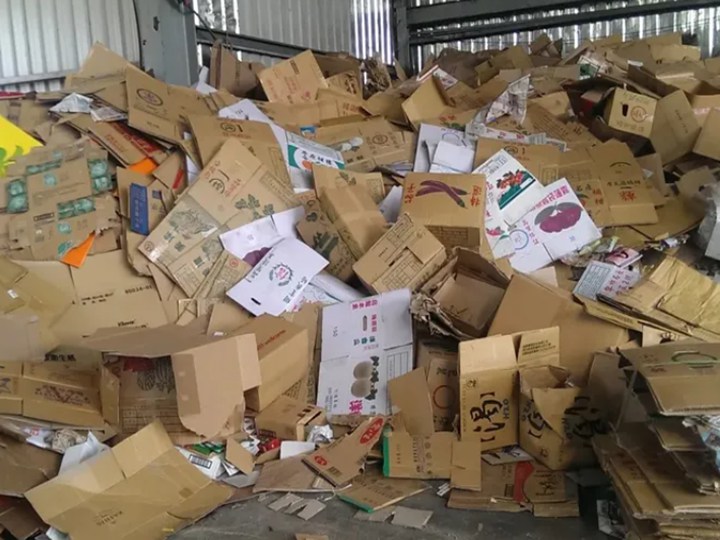
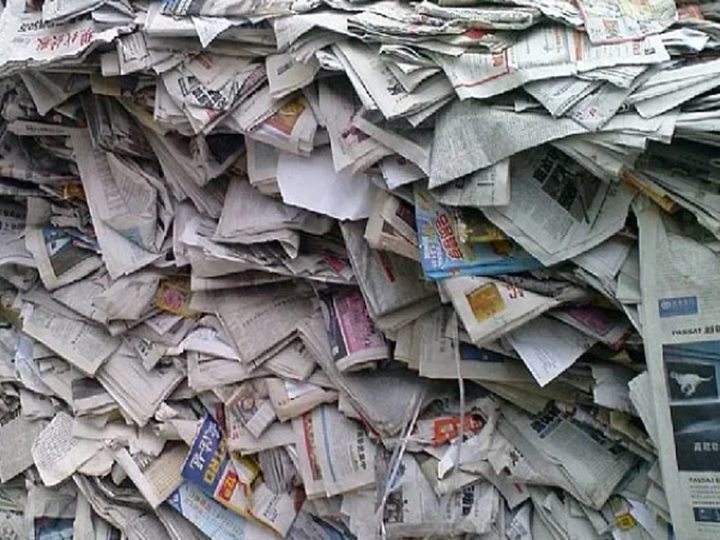
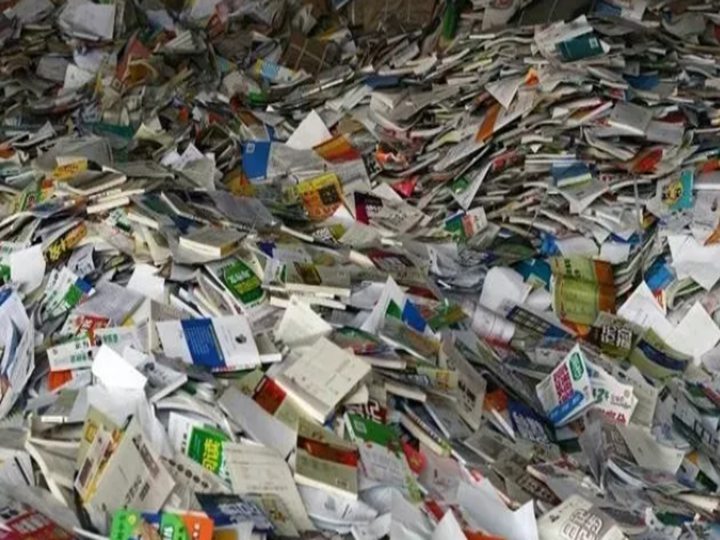
The production of egg trays can use waste cartons, waste books, A4 paper printing, or waste egg trays for recycling. Therefore, the raw materials for egg tray production are very extensive.
3D video of egg carton production line
After the statistics, it is found that the sales of egg tray machines are constantly increasing. During the process of docking with customers, we found that there are three main reasons for them to make egg tray machines.
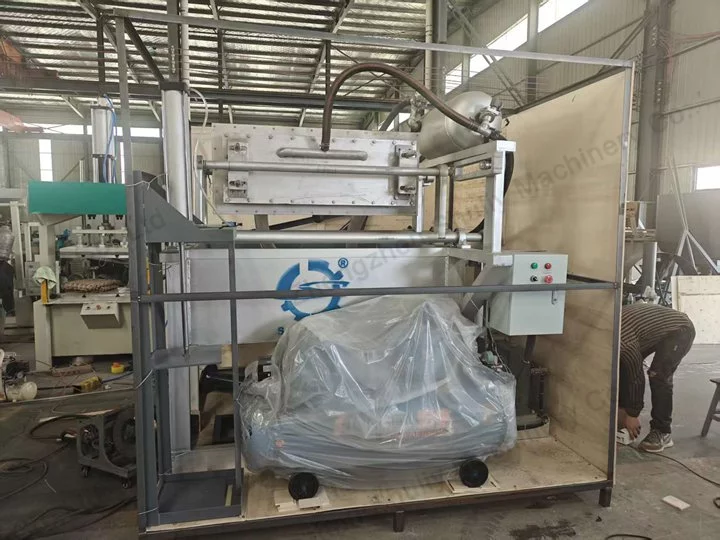
First of all, the egg tray machine belongs to the resource recycling industry, which is very environmentally friendly and is also supported by the local government.
Secondly, the raw materials of the paper egg tray production line are easy to obtain. The raw materials used by the egg tray machine are mainly waste paper, which can be easily collected in many countries.
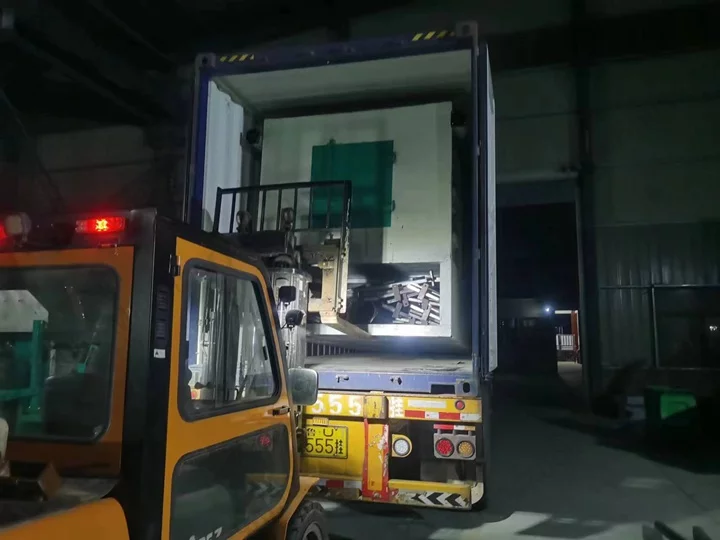
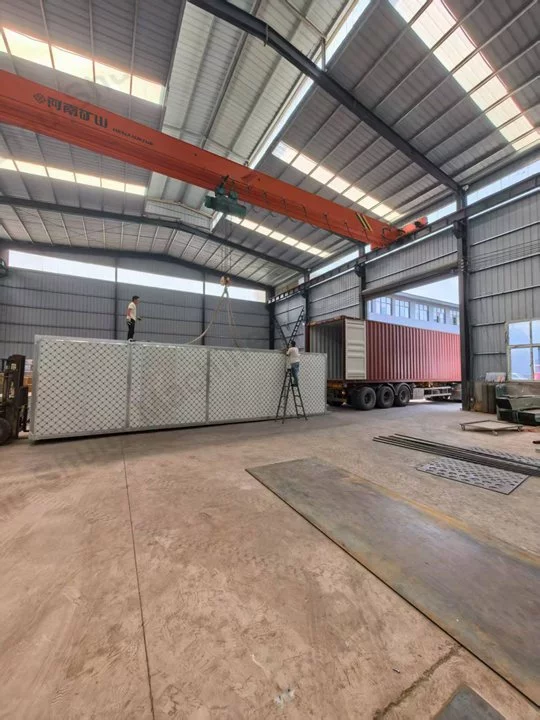
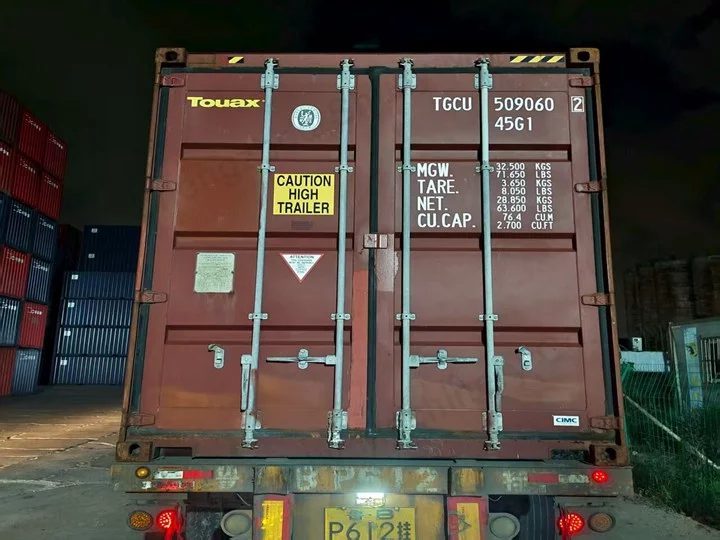
Finally, of course, it is very easy to sell egg trays. Chickens have a great demand for egg trays, and these are consumables, so it is easy to fix for customers. Many people are willing to choose to produce egg trays and make a profit because of it.
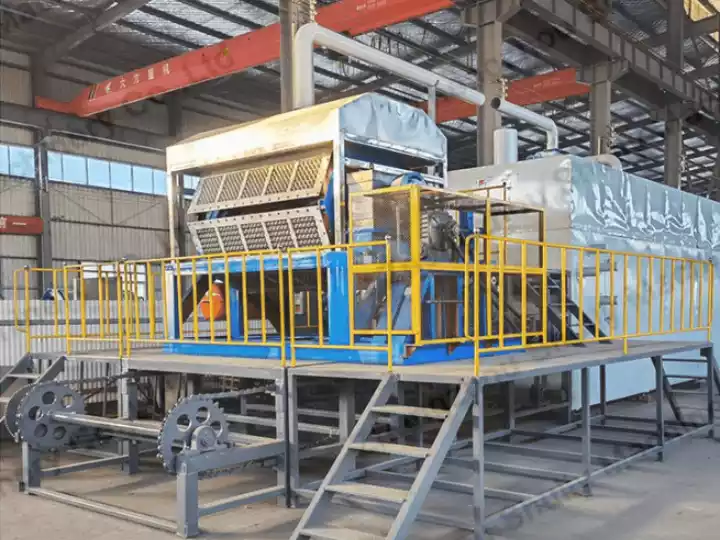
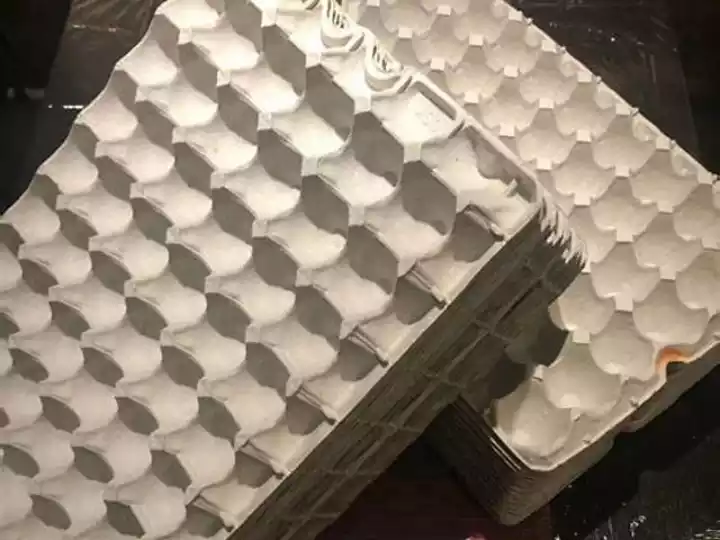
Pulp mainly needs to control the ratio of water and pulp. Generally speaking, the ratio of water and pulp is 1:3 and is evenly mixed. A certain amount of glue or lime water needs to be added in the process, which can make the egg tray firmer. These are generally the work that needs to be done in the form of egg trays.
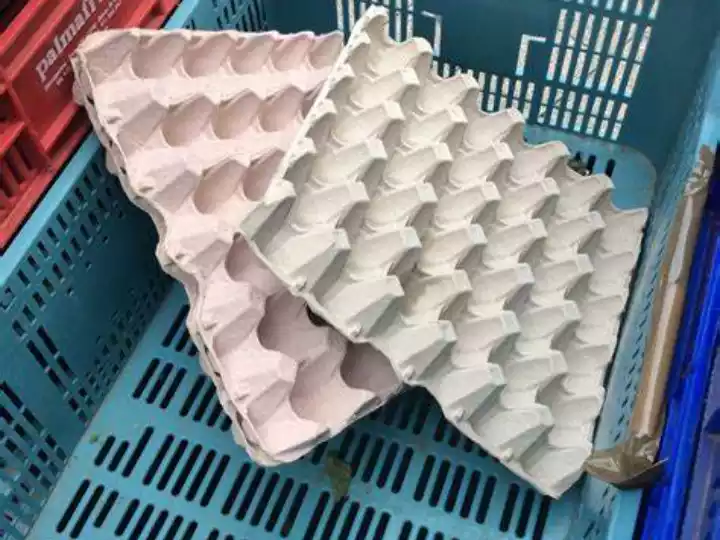
The production process of egg trays is probably understood, so how much labor do you usually need to build a complete egg tray industry? After experiments, it was found that only 4 workers were needed: one worker was required for egg tray pulping, one worker was required for egg tray molding, one worker was required for secondary processing of hot-pressed egg trays, and one worker was required for packaging.
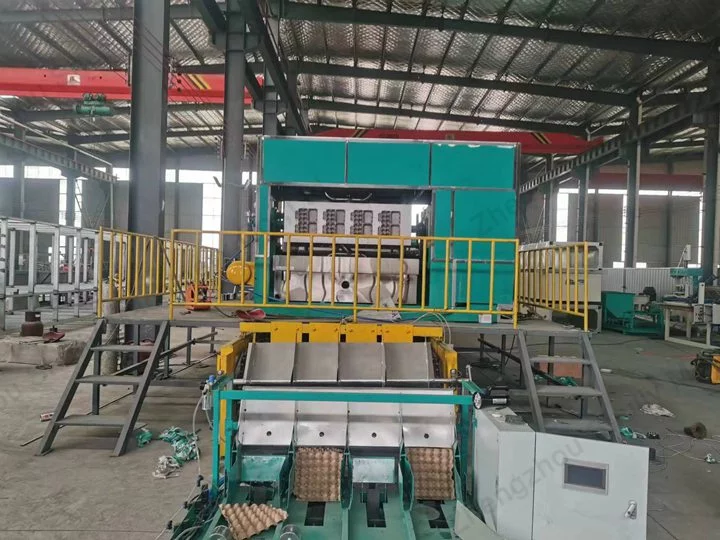
From 1,000–8,000 pcs/h, depending on the model and drying system.
30-cell egg trays, egg cartons, fruit trays, cup carriers, and other pulp molded products (by changing molds).
Yes. Aluminum or plastic molds can be customized based on your tray design.
Yes. We offer layout design, online installation guidance, training, spare parts supply, and engineer support if needed.
Contact our professional engineering team for a free project evaluation and quotation — we’ll help you design a profitable egg tray production plant tailored to your raw material supply, capacity, and budget.
Production Line
Bedpan pulp molding production line with 1000–8000 pcs/h capacity. Customizable molds produce disposable paper pulp bedpans.
Production Line
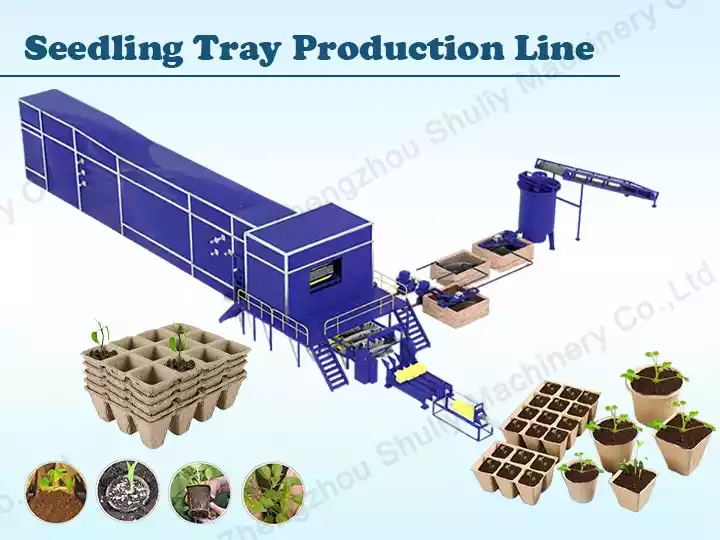
Automatic seedling tray production line with 1,000–7,000 pcs/h capacity. Produce customized biodegradable seedling trays.
Production Line
Fruit tray making line for manufacturing molded pulp fruit trays from waste paper. Capacity 1,000 to 7,000 pcs/h with customized fruit tray molds.
Production Line
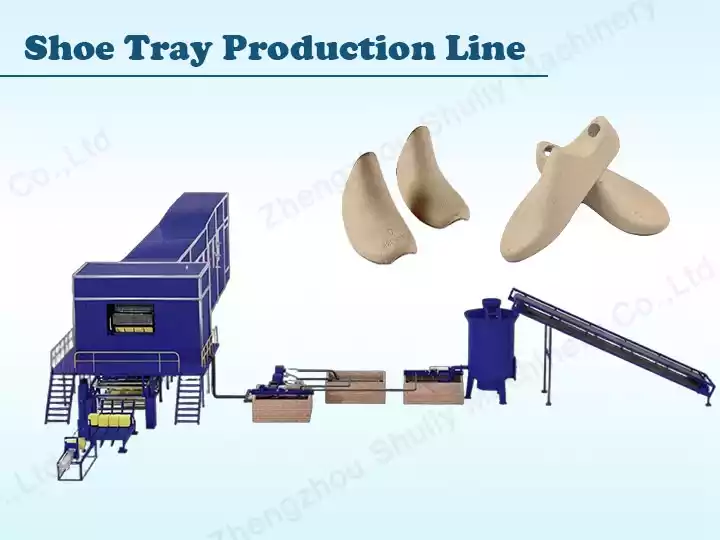
Shoe Tray Production Line for Manufacturing Molded Paper Shoe Trays with 1000-8000 pcs/h Capacity.
Production Line
Coffee tray production line for coffee cup holder making. Uses waste paper, eco-friendly. Produces 1000-8000 pcs/h. Custom molds available.
Production Line
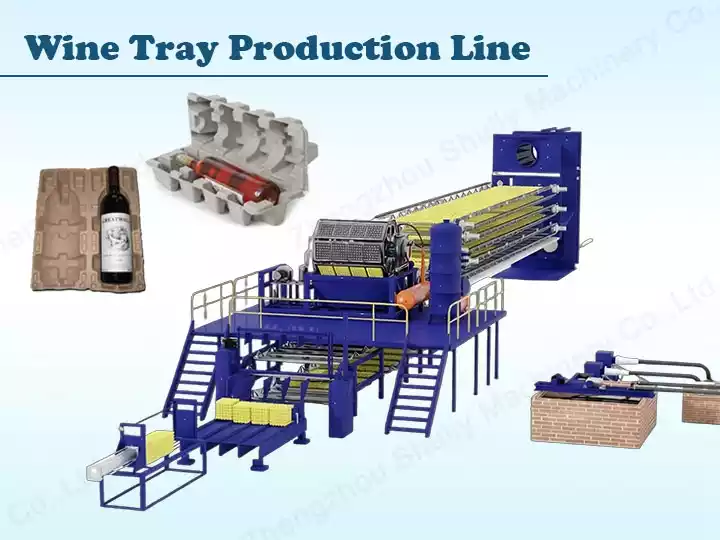
Wine tray production line for molded pulp packaging. Produces wine bottle trays, fruittrays, and packaging products. Capacity: 1000-8000 pcs/h.
Production Line
Our egg cartion production line offers a seamless process from pulp molding to drying and packing. Only 3-4 workers are needed.