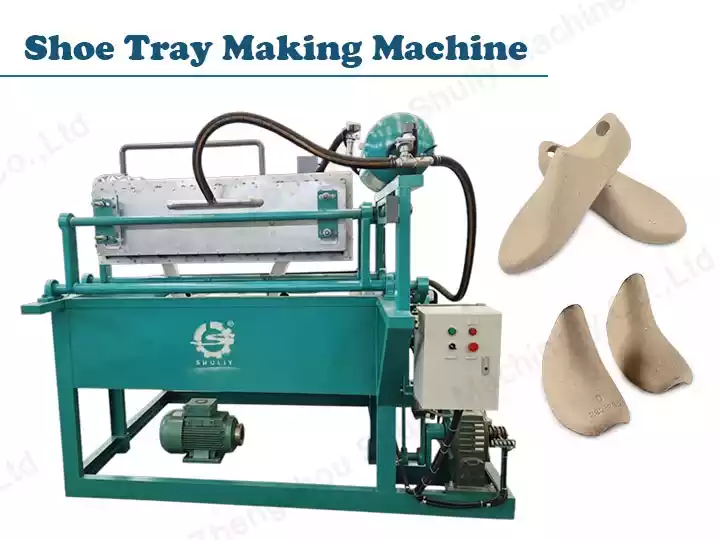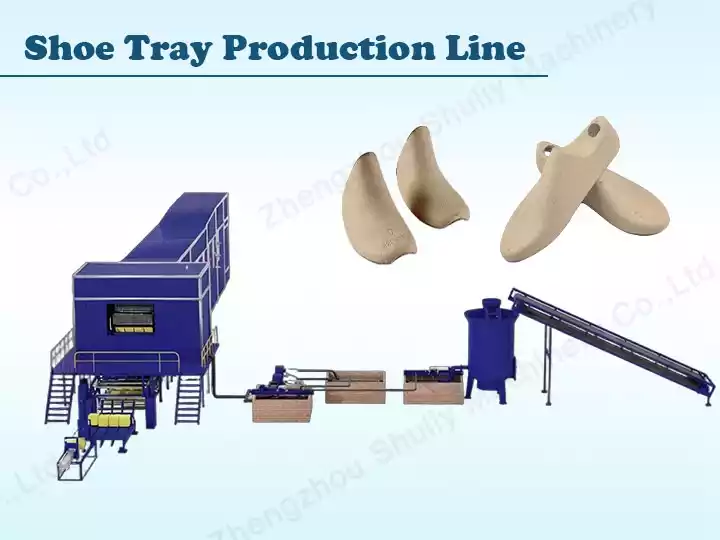
Key Features of an Automatic Shoe Tree Production Line
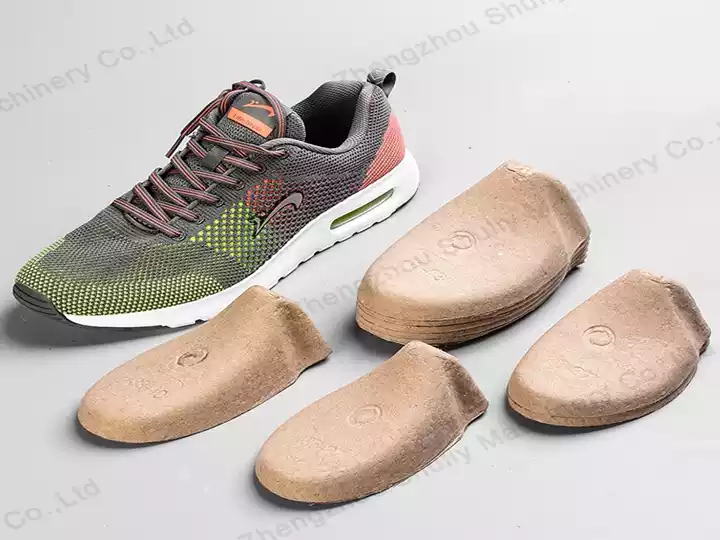
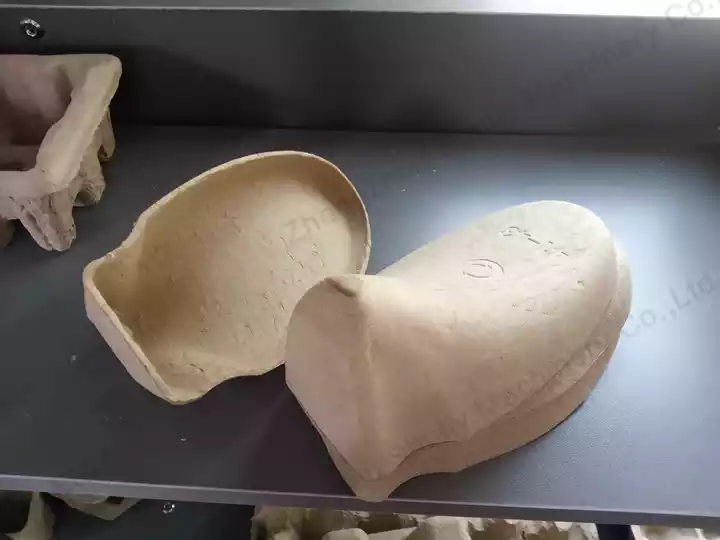
Shoe trees play an important role in maintaining shoe shape, preventing wrinkles, and improving product presentation. They are widely used by footwear manufacturers, retailers, hotels, and consumers who want to extend the lifespan of their shoes. As demand for plastic shoe trees continues to grow, many manufacturers are shifting from manual assembly to automated production.
But what makes an automatic shoe tree production line an attractive investment for modern factories? Let’s take a closer look at the features that are changing the way shoe trees are manufactured.
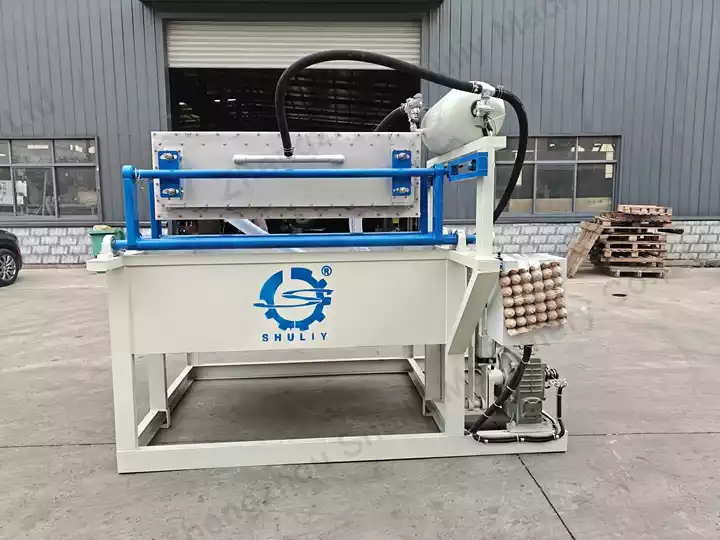
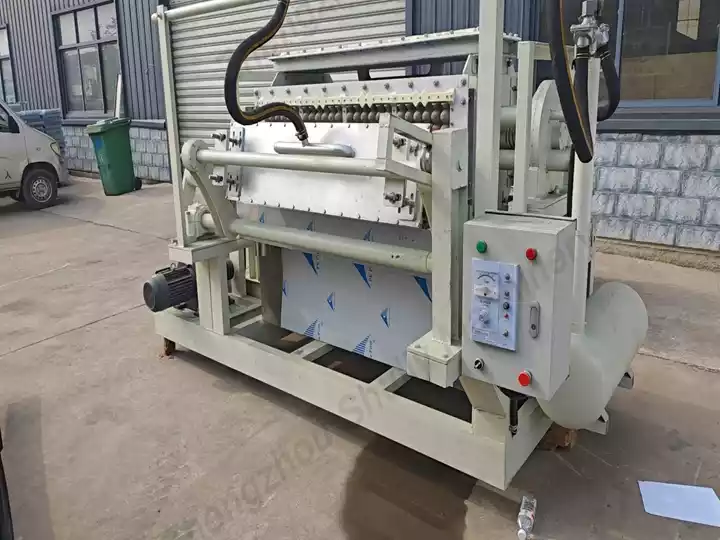
Meeting the Growing Demand for Shoe Trees
The footwear industry produces billions of pairs of shoes every year, creating a steady demand for shoe trees used in packaging, transportation, and retail display.
For manufacturers, producing shoe trees efficiently is becoming increasingly important. Traditional production methods often struggle to keep pace with large orders, especially when customers require consistent quality and fast delivery times.
This is one reason why automated production systems are gaining popularity.
Continuous Production Improves Efficiency
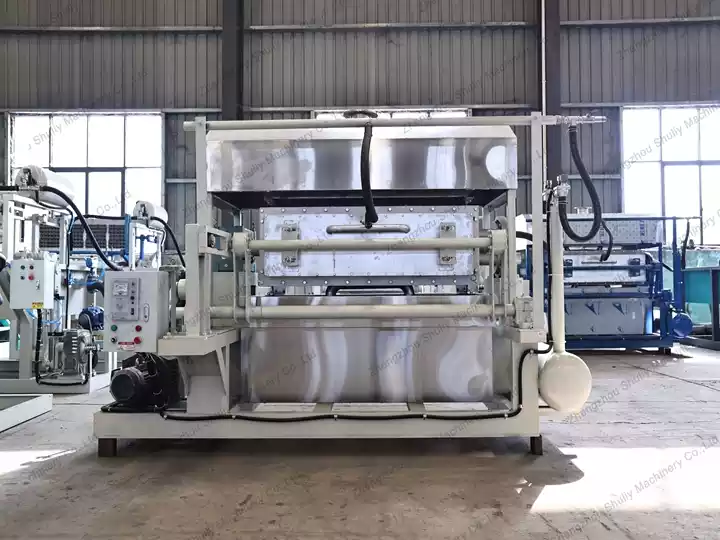
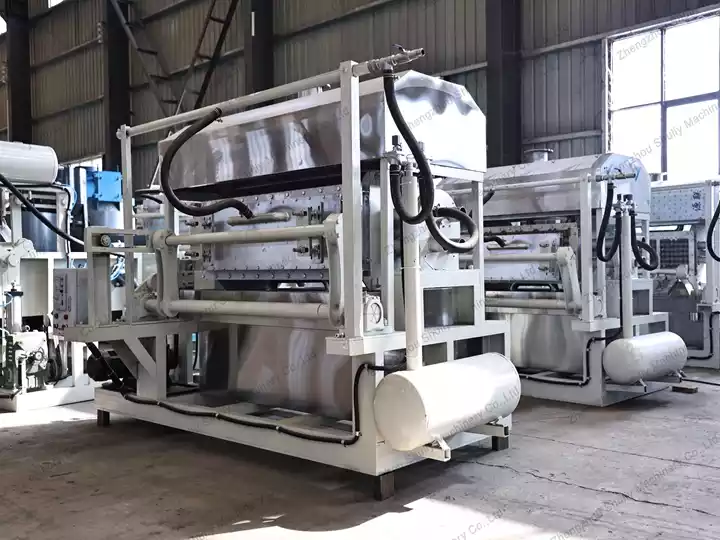
One of the most noticeable advantages of an automatic shoe tree production line is its ability to operate continuously.
Instead of relying on multiple workers to complete molding, trimming, assembly, and stacking, automated equipment allows these steps to be connected into a streamlined workflow.
Continuous production helps manufacturers:
- Increase daily output;
- Reduce production downtime;
- Improve workflow organization;
- Meet large-volume orders more easily.
For companies serving export markets, higher efficiency often translates into greater competitiveness.
Consistent Product Quality
Customers expect shoe trees to have a uniform appearance, accurate dimensions, and smooth surfaces.
Manual production may lead to variations in shape or assembly quality, especially when output increases.
一个 automatic shoe tree production line helps maintain stable manufacturing conditions, ensuring that each product meets the same quality standards. This consistency is particularly valuable for brands and retailers that prioritize product presentation.
Reduced Dependence on Labor
Labor costs continue to rise in many manufacturing regions, encouraging factories to seek more efficient production methods.
By automating repetitive processes, manufacturers can reduce the number of workers required for daily operations while improving production stability.
This allows businesses to allocate labor resources to other value-added tasks such as quality control, packaging, or market expansion.
Flexibility for Different Shoe Tree Designs
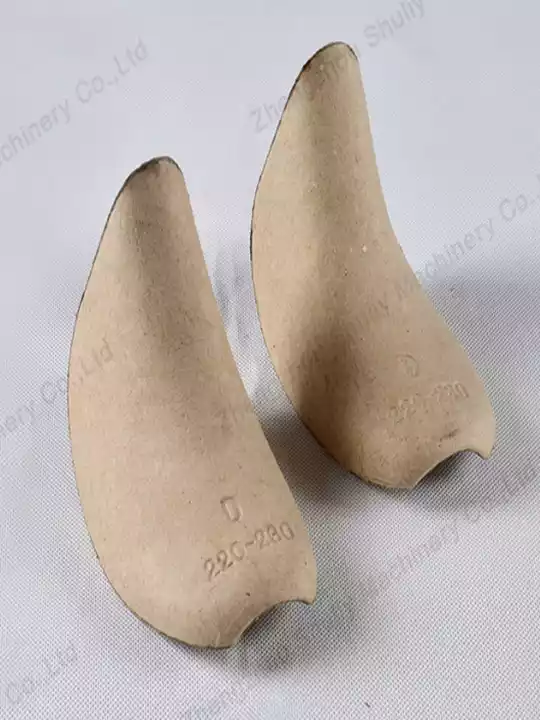
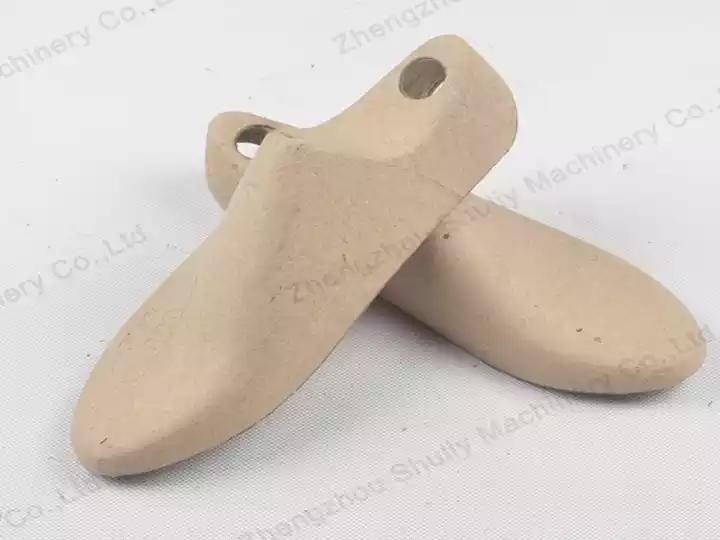
Shoe trees are available in various styles, sizes, and structures to accommodate different types of footwear.
Many modern automatic shoe tree production lines can be adjusted to produce:
- Men’s shoe trees;
- Women’s shoe trees;
- Children’s shoe trees;
- Spring-loaded shoe trees;
- Plastic display shoe inserts.
This flexibility helps manufacturers respond quickly to changing customer demands.
Automation Supports Long-Term Growth
As competition in the footwear accessories market increases, manufacturers are under pressure to improve productivity while controlling costs.
Investing in an automatic shoe tree production line is not only about producing more units per day. It is also about creating a more stable manufacturing process, improving product consistency, and preparing for future business expansion.
For companies considering upgrading their production capabilities, automated shoe tree manufacturing offers a practical path toward greater efficiency and stronger market competitiveness.