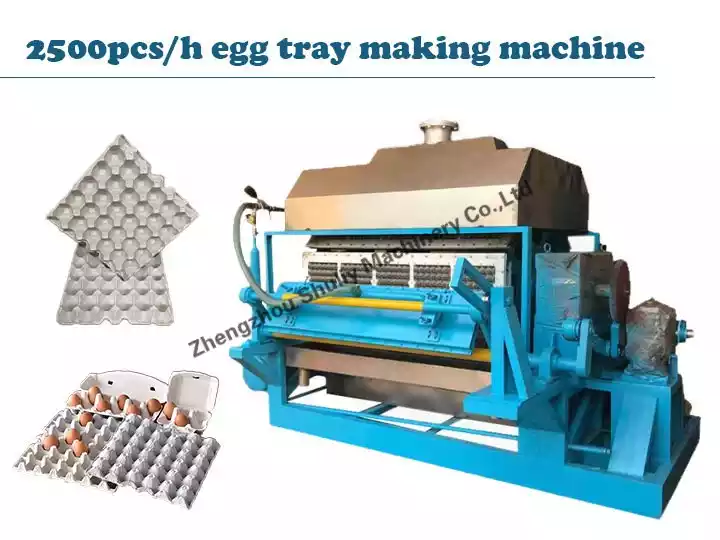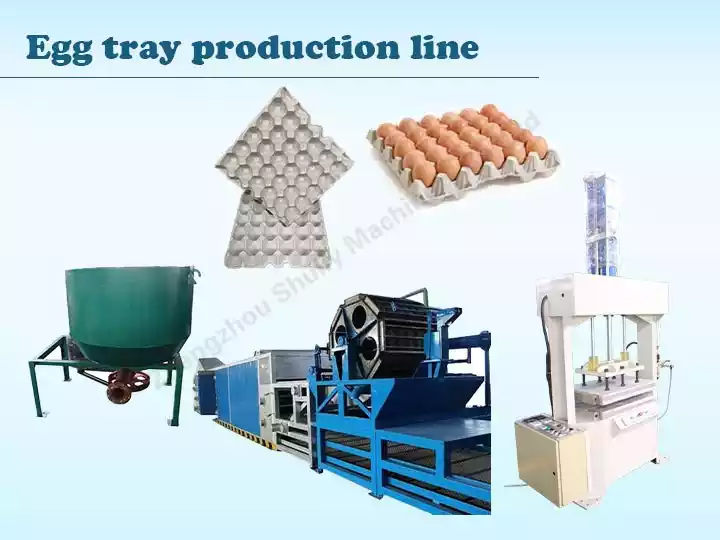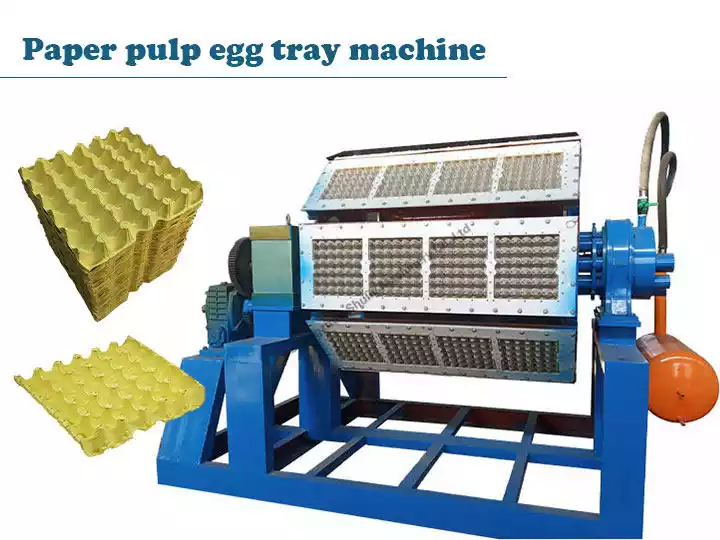
The global egg tray industry is undergoing a significant transformation driven by sustainability demands, technological advancements, and growing egg consumption worldwide. As plastic reduction policies tighten globally, paper pulp egg trays have emerged as the preferred packaging alternative. This analysis examines the key trends shaping the egg tray manufacturing sector.

工业产品托盘
工业产品托盘

Market Growth Drivers

The egg tray market demonstrates strong growth with a compound annual growth rate of approximately 5.2%. Several factors fuel this expansion:

Rising Global Egg Consumption

Global egg production exceeds 76 million metric tons annually, with China, the United States, and India leading output. This growth directly increases demand for egg packaging solutions, particularly in regions with expanding modern retail infrastructure.

Emerging Market Opportunities

Developing regions in Africa, Southeast Asia, and South America represent the fastest-growing markets. Countries like Nigeria, Kenya, Indonesia, and Brazil are experiencing rapid urbanization and middle-class growth, driving demand for processed food packaging. The expansion of poultry farms in these areas creates sustained demand for egg trays.

优质携带
优质携带

Sustainability and Environmental Factors

Environmental regulations and consumer preferences have become primary drivers of change in the egg tray industry.

Plastic Reduction Regulations

Governments worldwide are implementing stricter regulations on single-use plastics. The EU’s Single-Use Plastics Directive, China’s plastic waste regulations, and similar policies in other nations have accelerated the transition toward paper-based packaging alternatives.

Consumer Demand for Eco-Friendly Packaging

Modern consumers increasingly prioritize environmentally responsible products. Research shows many consumers are willing to pay premium prices for sustainable packaging. This shift drives food producers and retailers to adopt paper egg trays as part of their sustainability commitments.

Technological Advancements

Innovation in manufacturing technology has revolutionized egg tray production, enabling higher efficiency and improved product quality.

Automation and Production Capacity

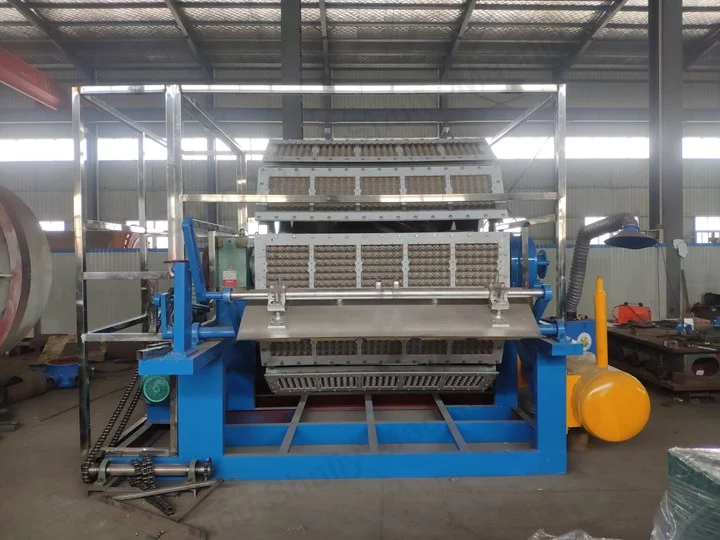
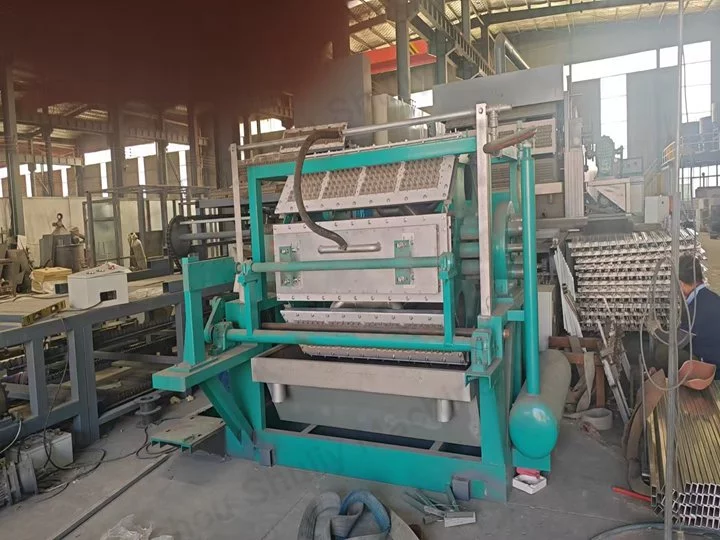
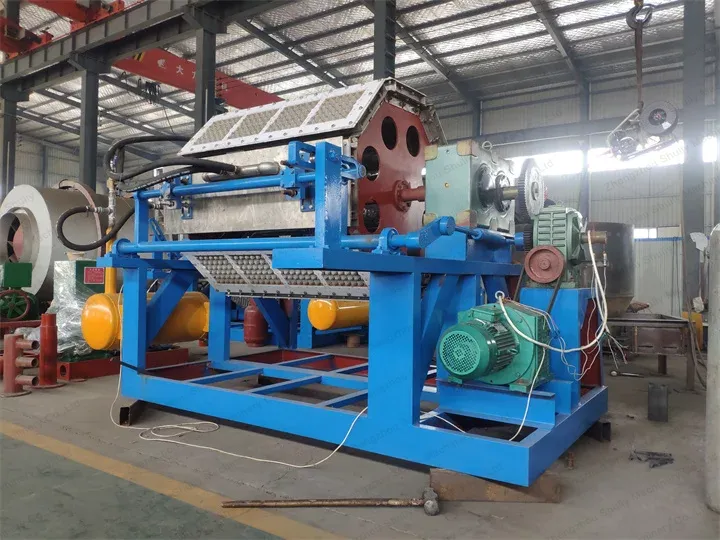
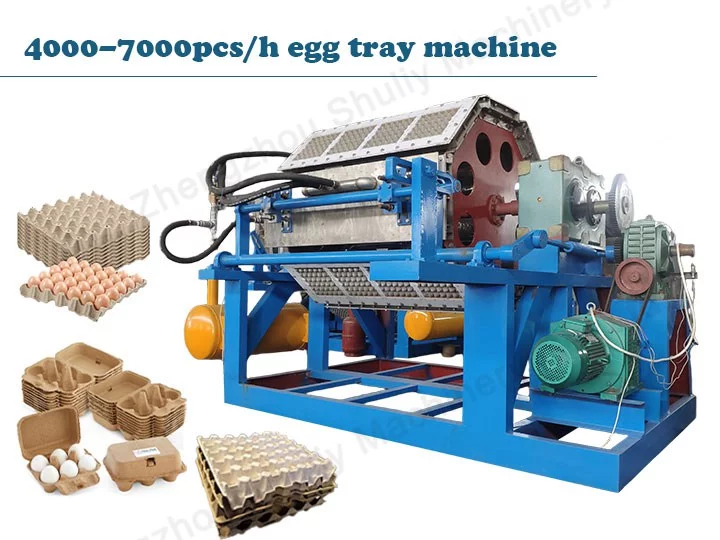
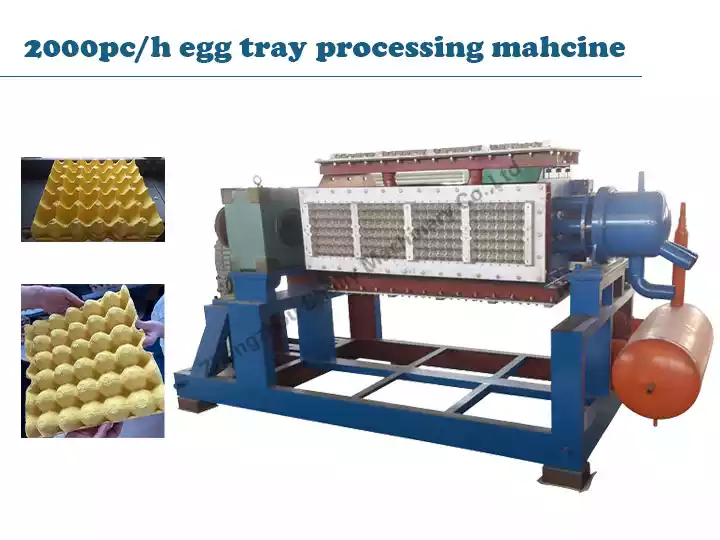
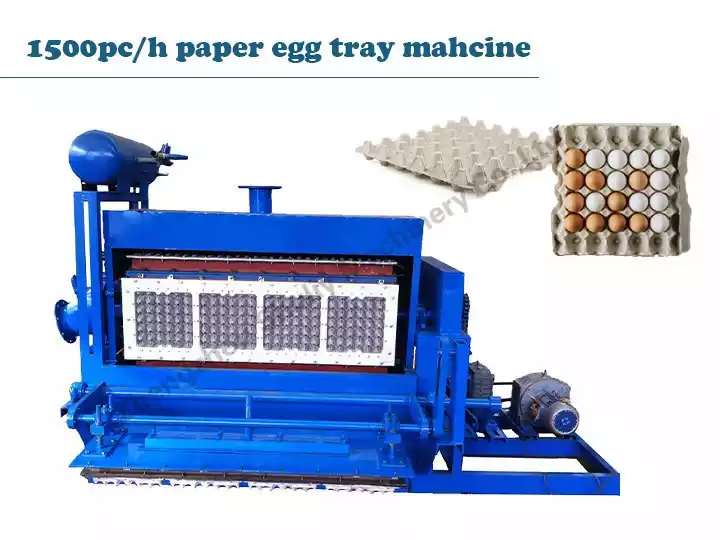
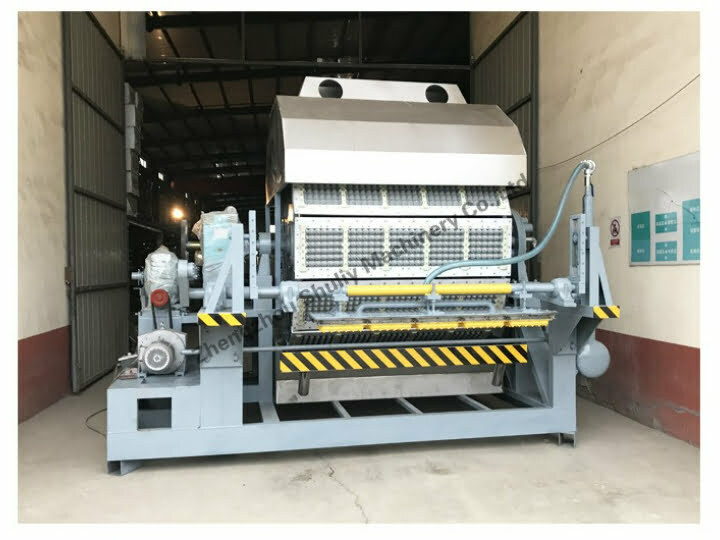
Modern production lines feature sophisticated automation systems that maximize output consistency. High-capacity equipment producing 4,000 to 7,000 pieces per hour represents the current standard for large-scale operations. The evolution from semi-automatic to fully automatic systems has dramatically improved production efficiency and reduced labor costs.

Energy-Efficient Drying Solutions

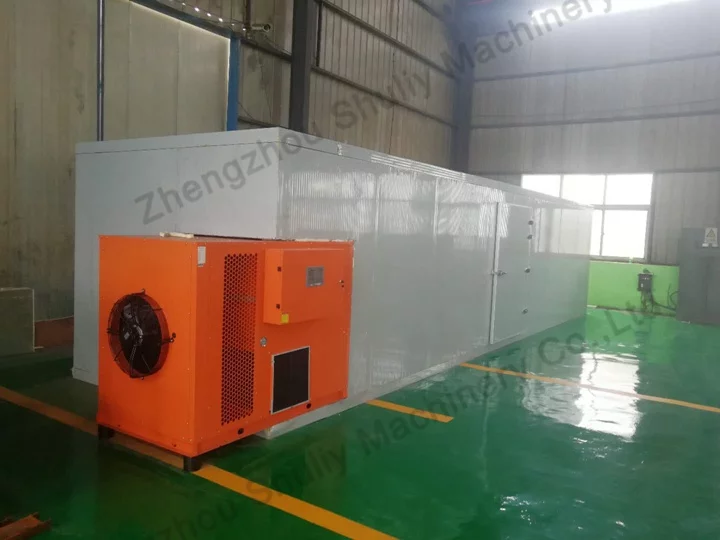
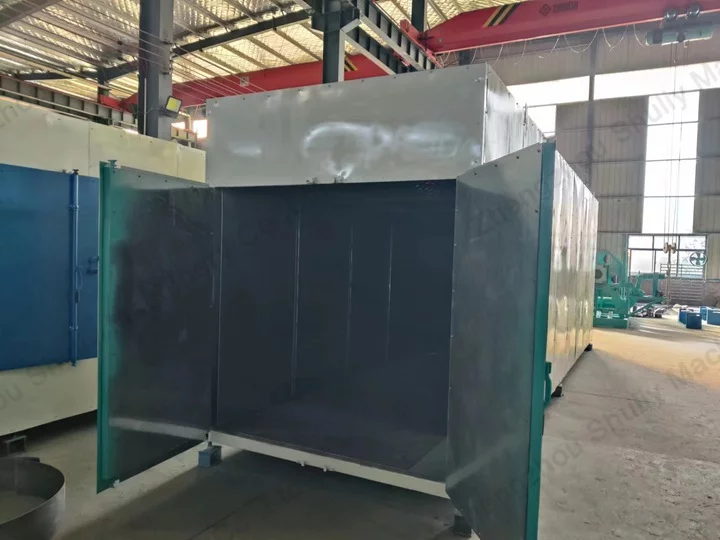
Drying represents one of the most energy-intensive production stages. Modern drying systems incorporate heat recovery mechanisms, intelligent temperature control, and improved airflow designs that reduce energy consumption. Solar-assisted drying solutions and hybrid systems offer additional energy savings potential.

Mold Innovation and Product Diversification

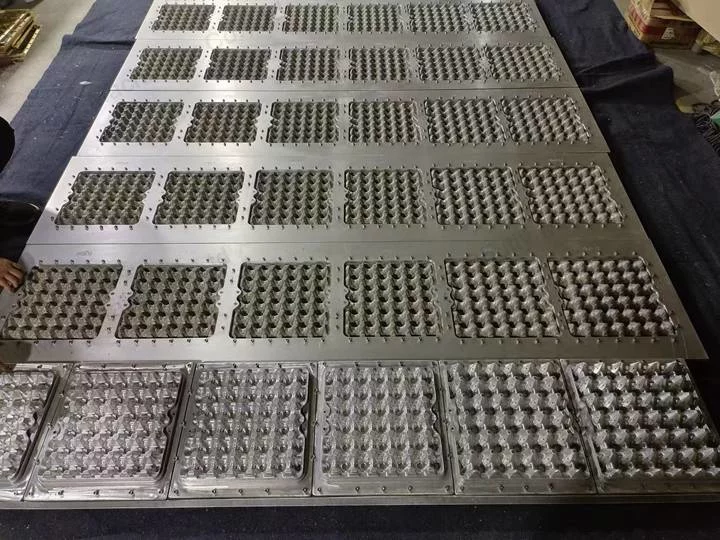
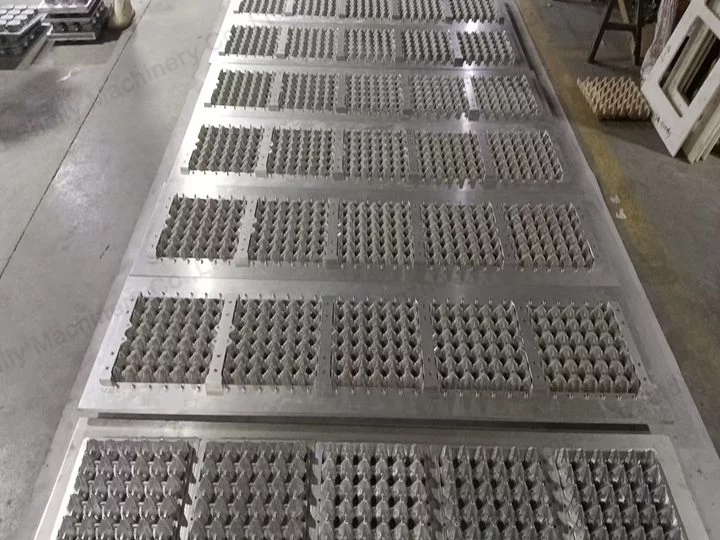
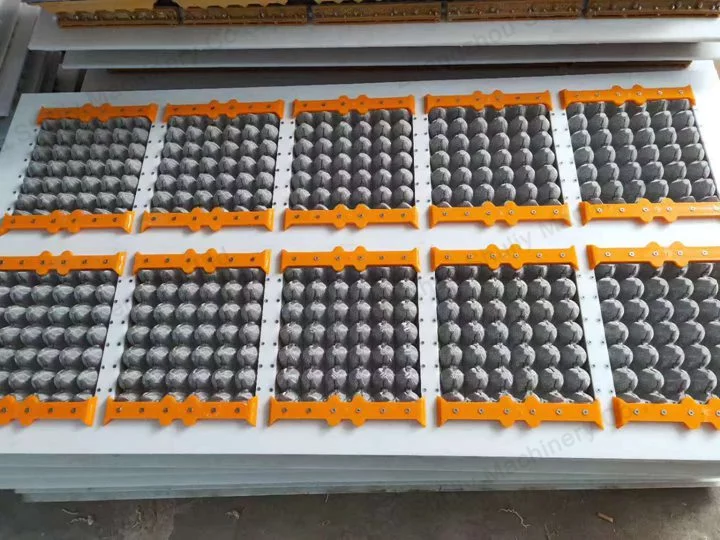
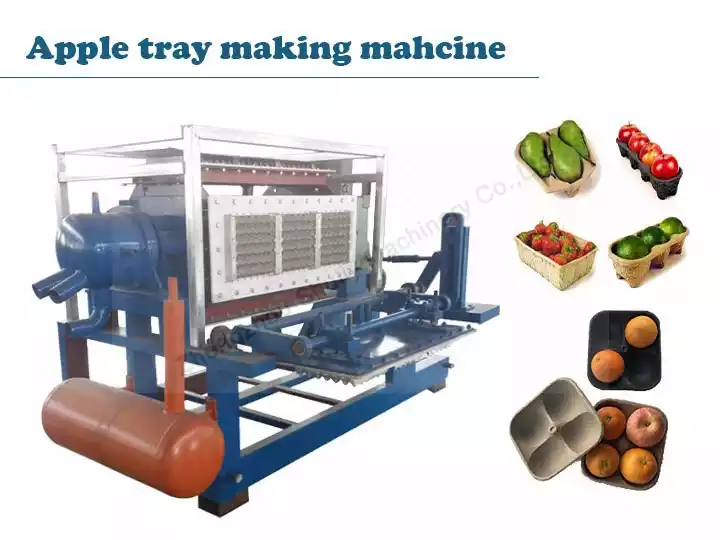
Advances in mold manufacturing have expanded product capabilities. Modern CNC machining enables complex mold designs for customized egg trays, various egg sizes, and complementary packaging like fruit trays and wine shippers. Apple tray making machines demonstrate pulp molding technology versatility beyond egg packaging.

Future Outlook

The egg tray industry outlook remains positive with continued growth expected across multiple dimensions. Industry participants should prioritize strategic investments in production capacity and product innovation.

Manufacturers should consider automatic production lines with high capacity output to meet expanding market demand. Obtaining sustainability certifications like FSC enhances market access and supports premium pricing strategies.

The egg tray industry stands at a pivotal point. Favorable market dynamics, technological progress, and supportive environmental policies create substantial growth opportunities for manufacturers willing to invest in modern equipment and sustainable practices.