Tren Industri Tempat Telur: Analisis Pasar
Industri baki telur global sedang mengalami transformasi signifikan yang didorong oleh tuntutan keberlanjutan, kemajuan teknologi, dan peningkatan konsumsi telur di seluruh dunia. Seiring kebijakan pengurangan plastik yang semakin ketat secara global, baki telur dari pulp kertas muncul sebagai alternatif kemasan yang lebih disukai. Analisis ini memeriksa tren utama yang membentuk sektor pembuatan baki telur.
Faktor Pendorong Pertumbuhan Pasar
Pasar baki telur menunjukkan pertumbuhan yang kuat dengan tingkat pertumbuhan tahunan majemuk sekitar 5,2%. Beberapa faktor mendorong ekspansi ini:
Peningkatan Konsumsi Telur Global
Produksi telur global melebihi 76 juta metrik ton setiap tahun, dengan China, Amerika Serikat, dan India memimpin output. Pertumbuhan ini secara langsung meningkatkan permintaan solusi kemasan telur, terutama di wilayah dengan infrastruktur ritel modern yang berkembang.
Peluan Pasar Baru
Wilayah berkembang di Afrika, Asia Tenggara, dan Amerika Selatan merupakan pasar dengan pertumbuhan tercepat. Negara-negara seperti Nigeria, Kenya, Indonesia, dan Brasil mengalami urbanisasi pesat dan pertumbuhan kelas menengah, mendorong permintaan kemasan makanan olahan. Perluasan peternakan unggas di daerah ini menciptakan permintaan yang berkelanjutan untuk baki telur.
Faktor Keberlanjutan dan Lingkungan
Peraturan lingkungan dan preferensi konsumen telah menjadi pendorong utama perubahan dalam industri baki telur.
Peraturan Pengurangan Plastik
Pemerintah di seluruh dunia menerapkan regulasi yang lebih ketat terhadap plastik sekali pakai. Direksi Plastik Sekali Pakai UE, regulasi limbah plastik China, dan kebijakan serupa di negara lain telah mempercepat transisi menuju alternatif kemasan berbasis kertas.
Permintaan Konsumen terhadap Kemasan Ramah Lingkungan
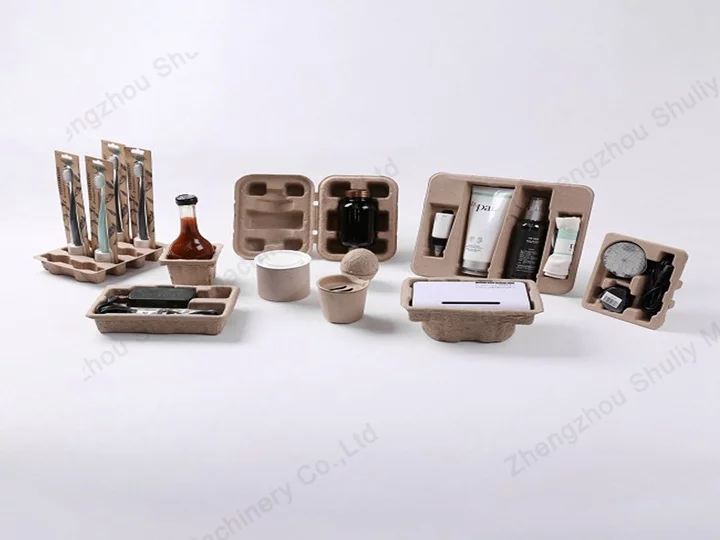
Konsumen modern semakin memprioritaskan produk yang bertanggung jawab terhadap lingkungan. Penelitian menunjukkan banyak konsumen bersedia membayar harga premium untuk kemasan yang berkelanjutan. Perubahan ini mendorong produsen makanan dan pengecer untuk mengadopsi baki telur dari kertas sebagai bagian dari komitmen keberlanjutan mereka.
Kemajuan Teknologi
Inovasi dalam teknologi manufaktur telah merevolusi produksi baki telur, memungkinkan efisiensi yang lebih tinggi dan kualitas produk yang lebih baik.
Otomatisasi dan Kapasitas Produksi
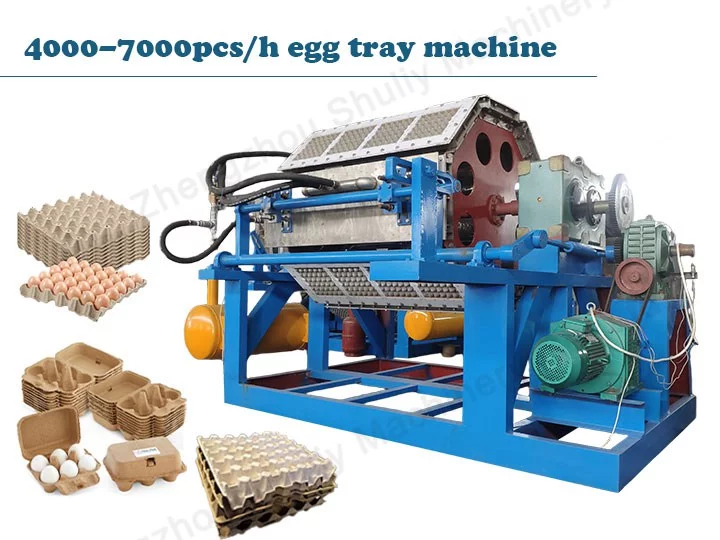
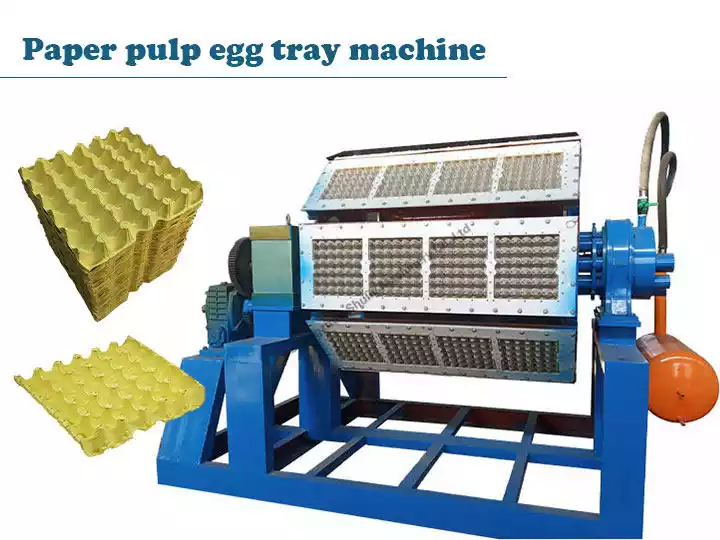
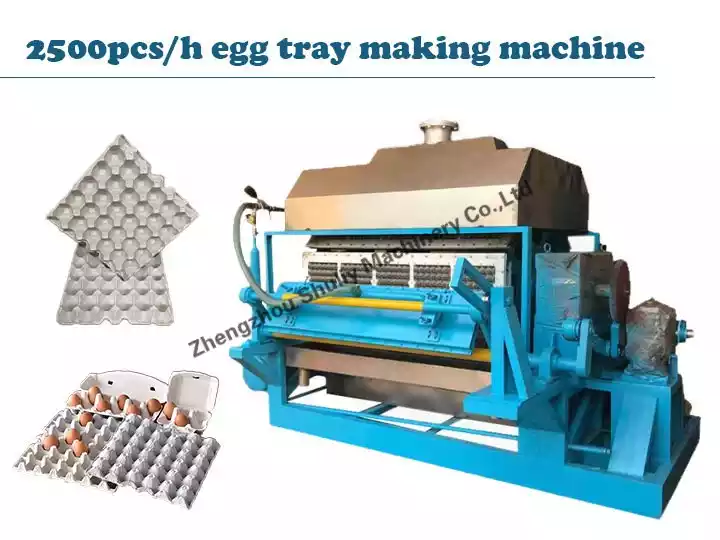
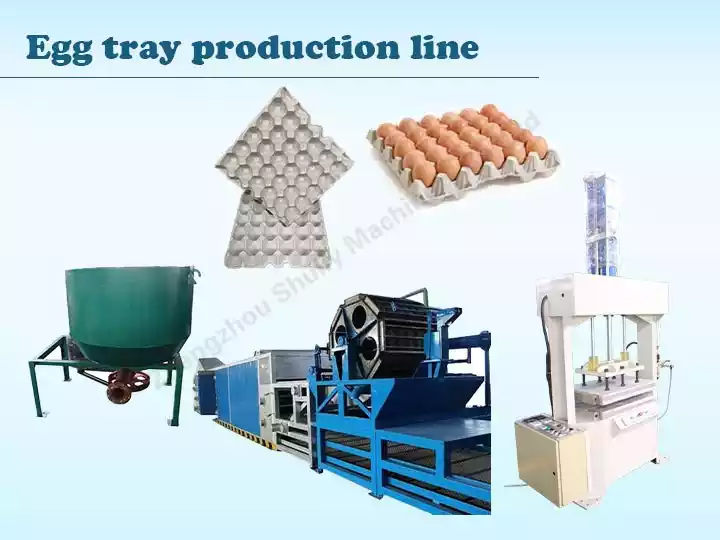
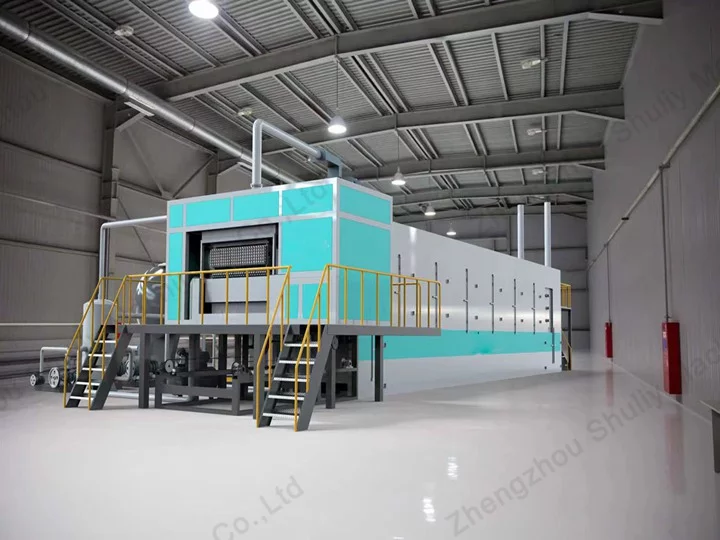
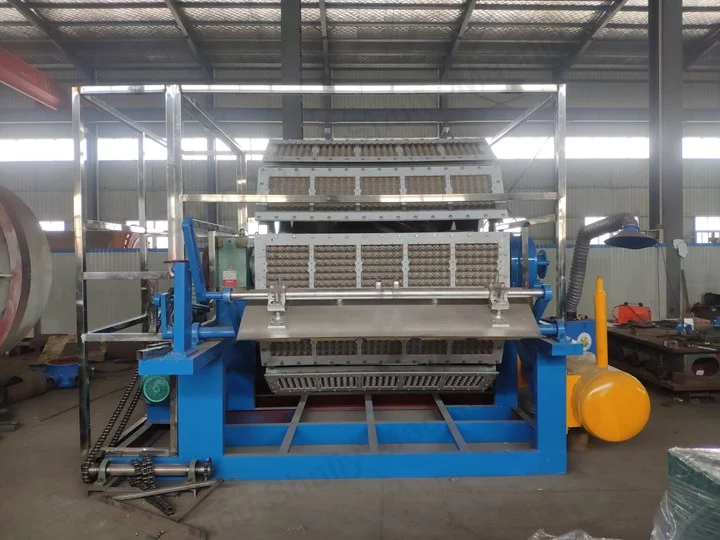
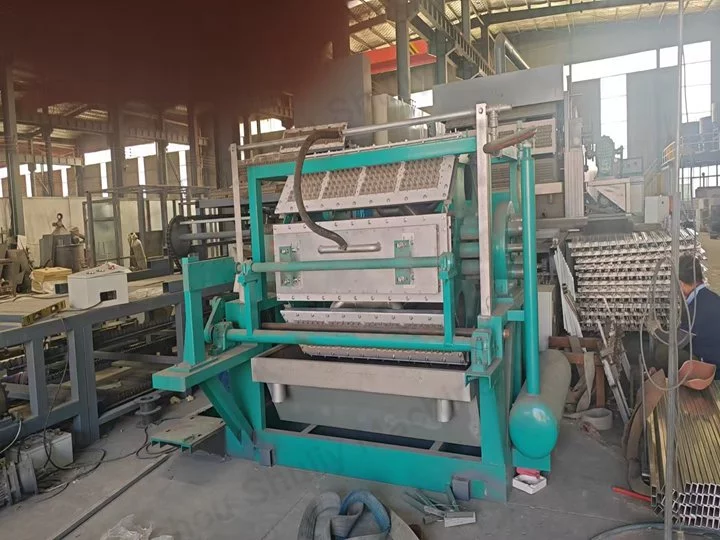
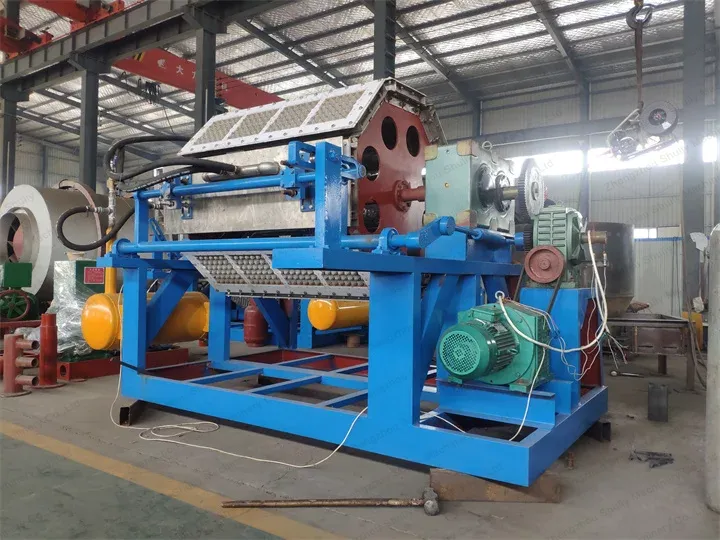
Modern production lines feature sophisticated automation systems that maximize output consistency. High-capacity equipment producing 4,000 to 7,000 pieces per hour represents the current standard for large-scale operations. The evolution from semi-automatic to fully automatic systems has dramatically improved production efficiency and reduced labor costs.
Solusi Pengeringan Hemat Energi
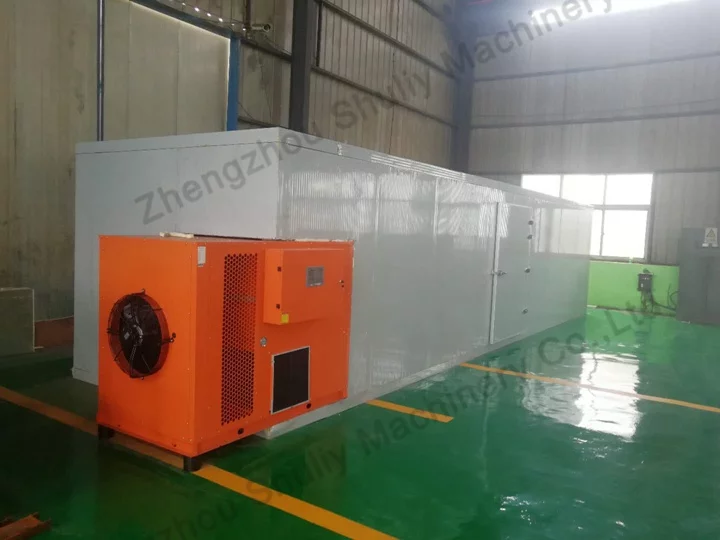
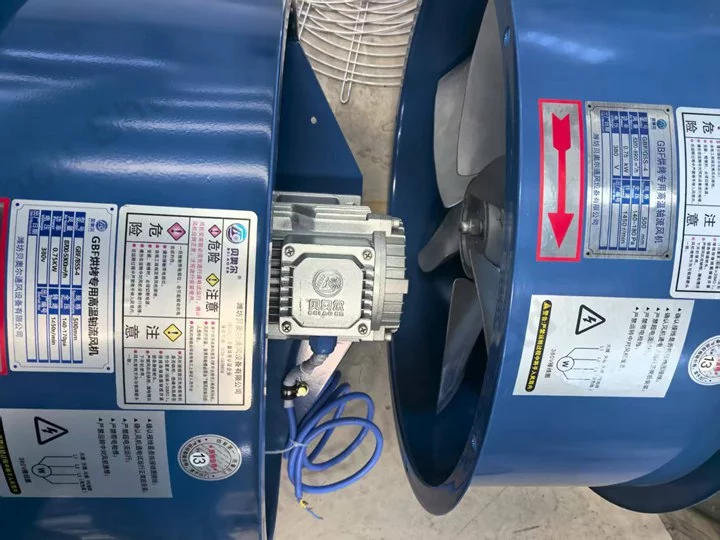
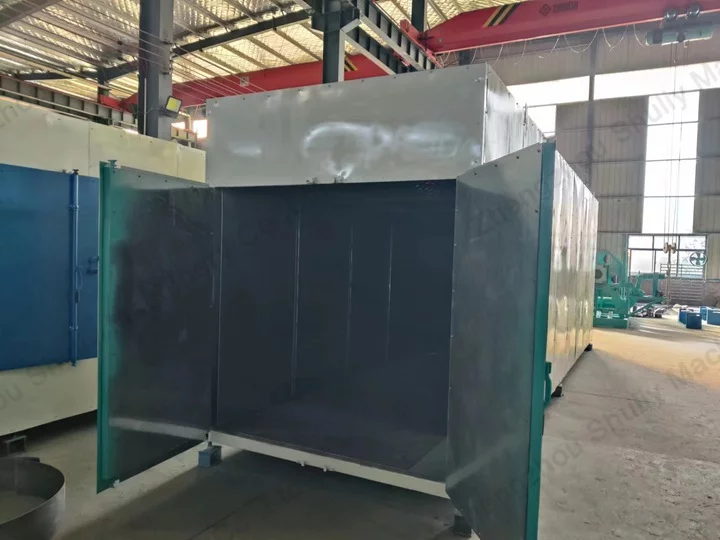
Drying represents one of the most energy-intensive production stages. Modern drying systems incorporate heat recovery mechanisms, intelligent temperature control, and improved airflow designs that reduce energy consumption. Solar-assisted drying solutions and hybrid systems offer additional energy savings potential.
Inovasi Cetakan dan Diversifikasi Produk
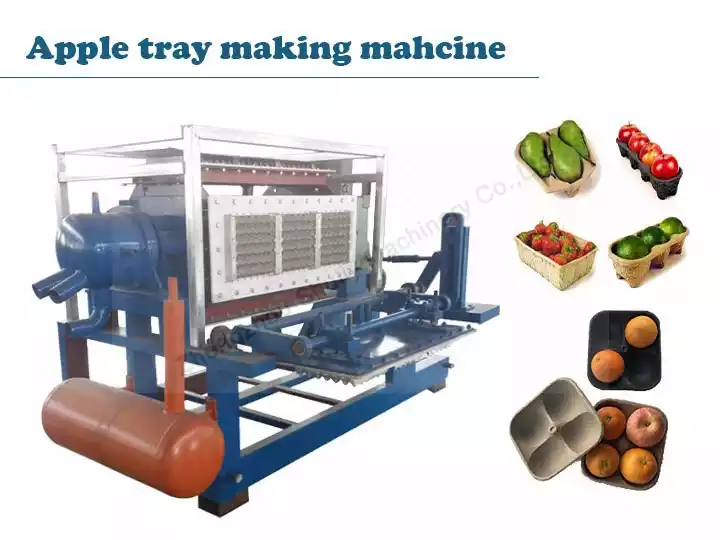
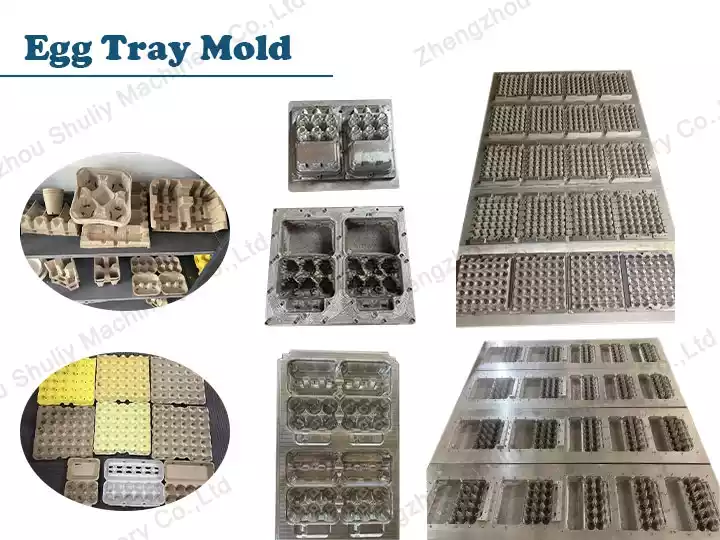
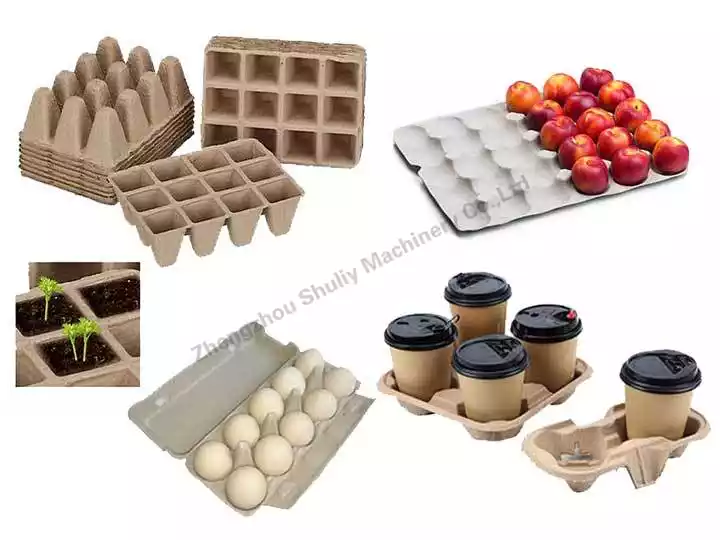
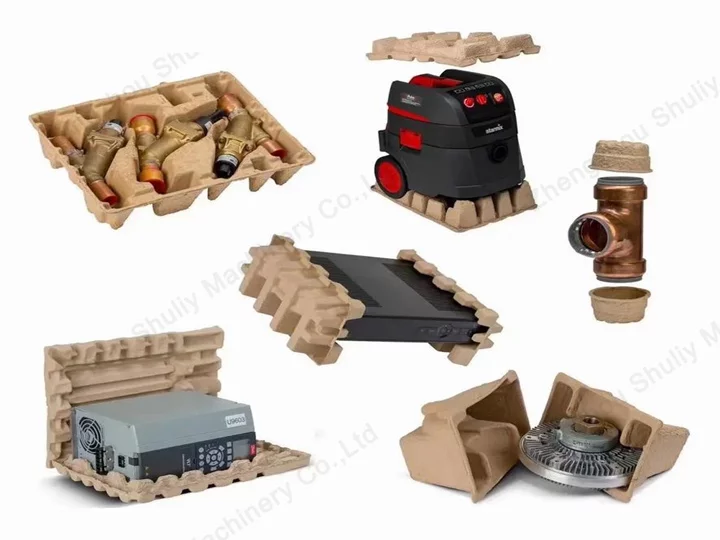
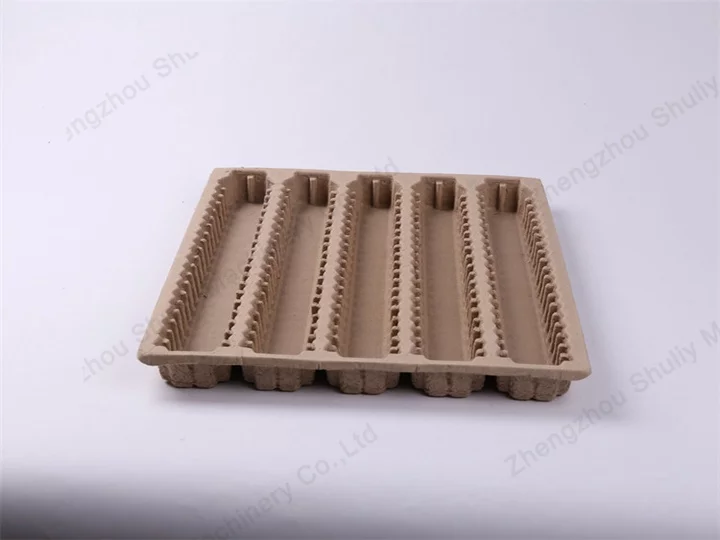
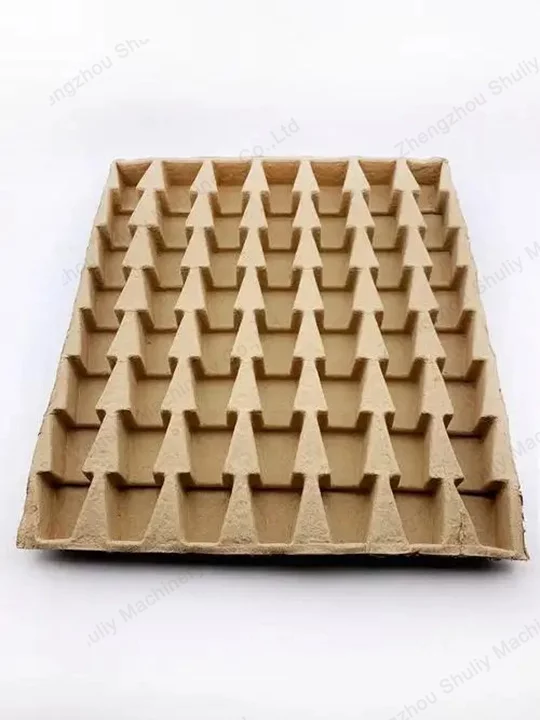
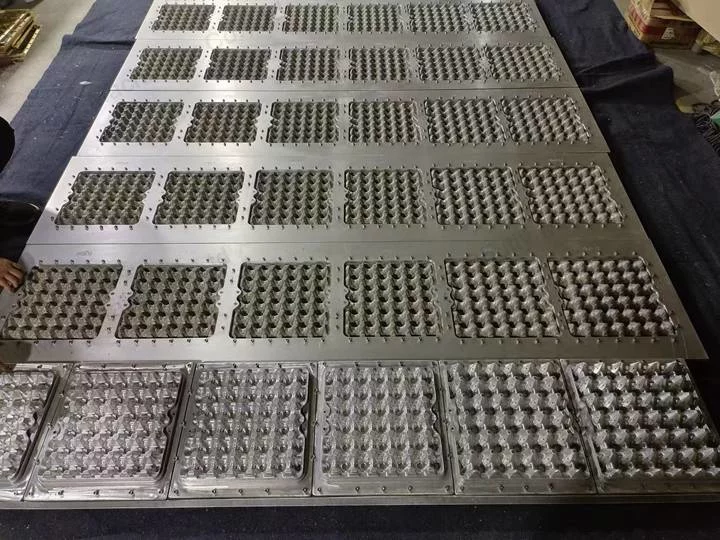
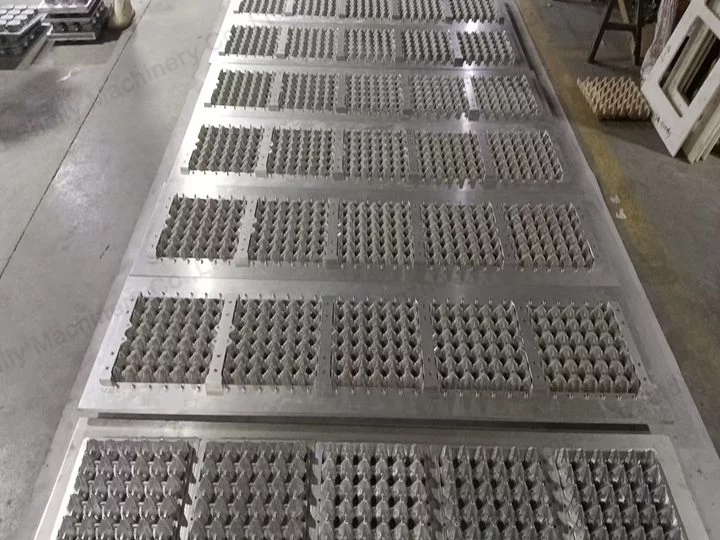
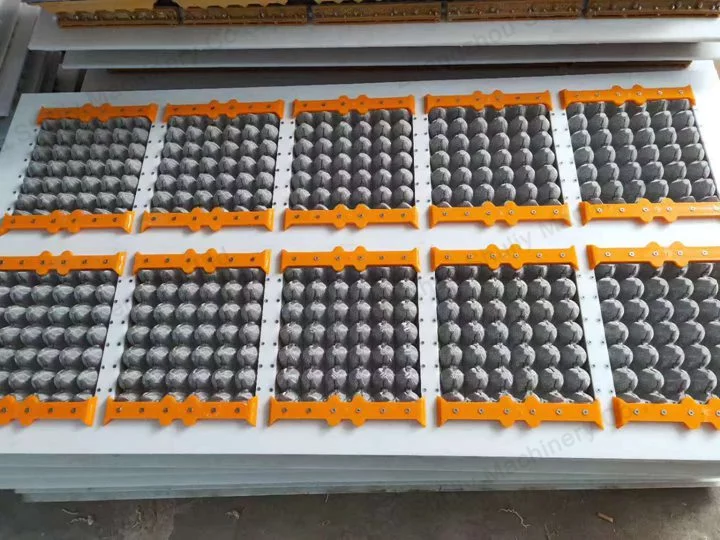
Advances in mold manufacturing have expanded product capabilities. Modern CNC machining enables complex mold designs for customized egg trays, various egg sizes, and complementary packaging like fruit trays and wine shippers. Apple tray making machines demonstrate pulp molding technology versatility beyond egg packaging.
Prospek Masa Depan
Prospek industri baki telur tetap positif dengan pertumbuhan yang terus berlanjut di berbagai dimensi. Peserta industri harus memprioritaskan investasi strategis dalam kapasitas produksi dan inovasi produk.
Manufacturers should consider automatic production lines with high capacity output to meet expanding market demand. Obtaining sustainability certifications like FSC enhances market access and supports premium pricing strategies.
Industri baki telur berada di titik penting. Dinamika pasar yang menguntungkan, kemajuan teknologi, dan kebijakan lingkungan yang mendukung menciptakan peluang pertumbuhan yang besar bagi produsen yang bersedia berinvestasi dalam peralatan modern dan praktik berkelanjutan.