How to Make Disposable Bedpans from Recycled Paper?
For hospitals, nursing homes, and medical supply distributors, disposable bedpans are an essential daily consumable — but traditional plastic bedpans create environmental waste and high disposal costs. A growing number of healthcare facilities are switching to disposable paper pulp bedpans made from 100% recycled paper.
These bedpans are lightweight, hygienic, single-use, and fully biodegradable. Producing them efficiently and at scale depends on a reliable pulp molding machine and a well-designed paper pulp bedpan production line that turns waste paper into finished medical products.
Recycled Paper Is the Ideal Raw Material
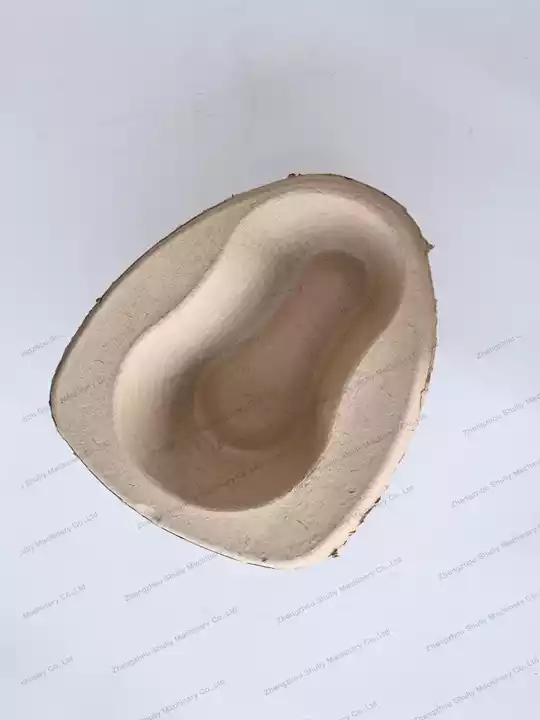
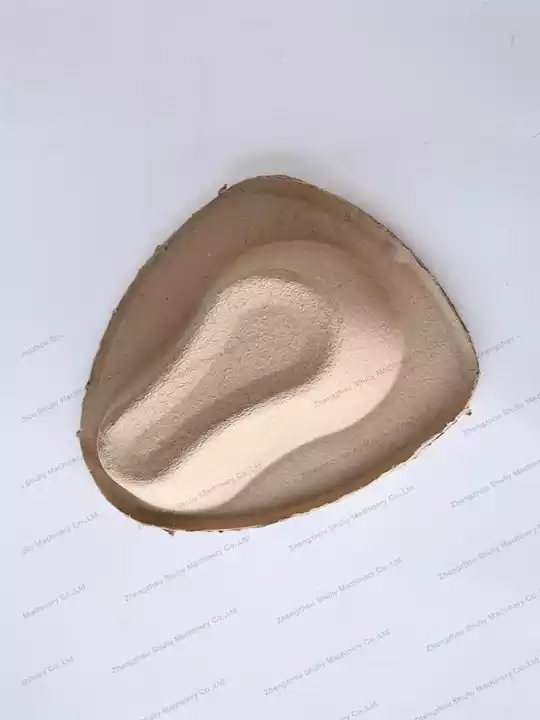
Disposable bedpans can be made entirely from recycled waste paper — old newspapers, waste cartons, office waste paper, and paper scraps. These materials are inexpensive, widely available, and would otherwise go to landfill. By using recycled paper as the raw material, manufacturers reduce production costs dramatically while solving a waste management problem at the same time.
The fiber quality of recycled paper — particularly old corrugated cartons (OCC) and newspaper — provides sufficient strength and absorbency for medical pulp products. When processed through a paper pulp bedpan production line, these waste fibers become solid, durable, hygienic bedpans that meet hospital standards.
Pulping: Turning Waste Paper into Fiber Slurry
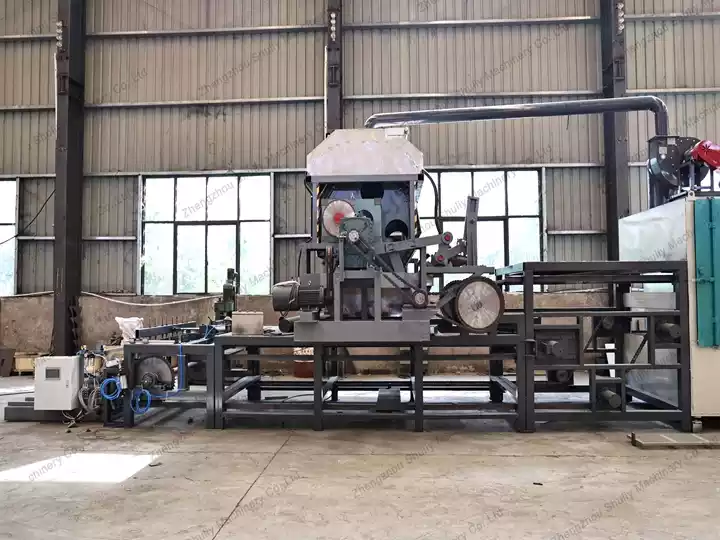
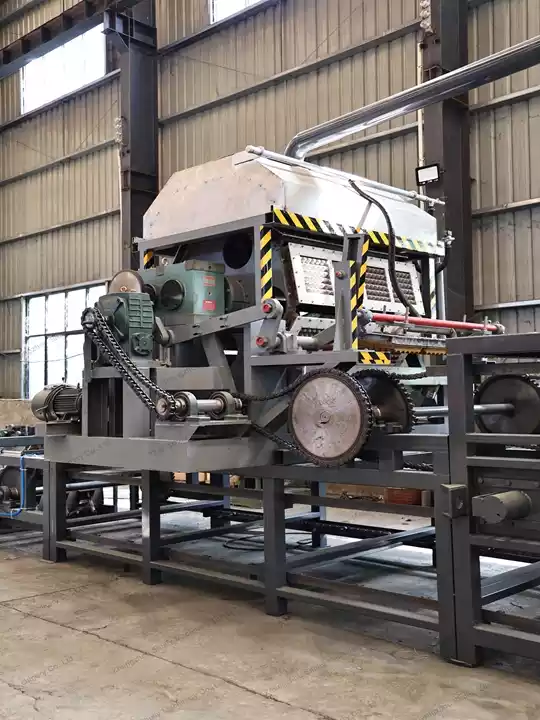
The first stage of production is pulping. A hydraulic pulper (also called a hydropulper) mixes waste paper with water and breaks it down into individual fibers. The rotating rotor creates intense hydraulic shear that disperses the paper into a uniform fiber suspension — typically at a consistency of 3–5% fiber in water.
After pulping, the slurry passes through a vibrating screen to remove impurities such as staples, plastic films, tape residues, and labels. Clean, contaminant-free pulp is essential for producing hygienic medical products that meet healthcare safety standards.
Pulp Refining and Additive Blending
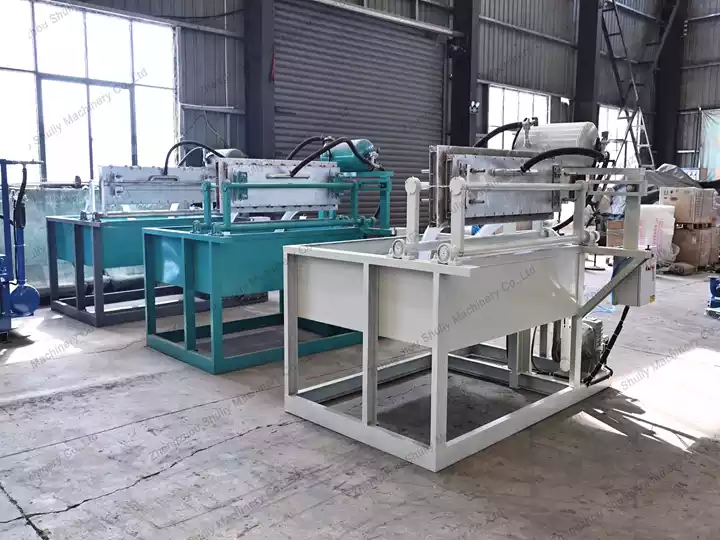
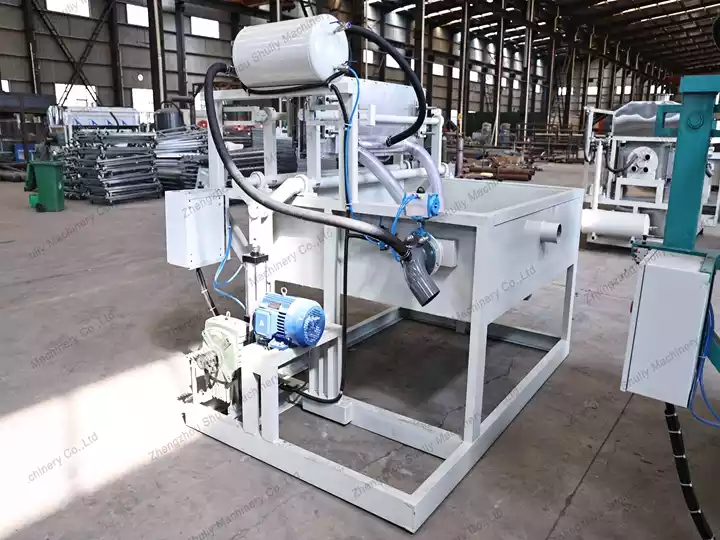
Once the pulp is cleaned, it may be refined to improve fiber bonding and strength. A pulp refiner or mill treats the fibers to increase their surface area and inter-fiber adhesion, resulting in a stronger final product.
At this stage, functional additives can be blended into the pulp:
- Waterproofing agents: Improve resistance to liquid penetration during use.
- Strengthening agents: Increase compressive and structural strength.
- Dyes: Gray, brown, or custom colors for product differentiation.
A well-formulated pulp mixture entering the pulp molding machine ensures that each bedpan has the right balance of strength, rigidity, and moisture resistance for clinical use.
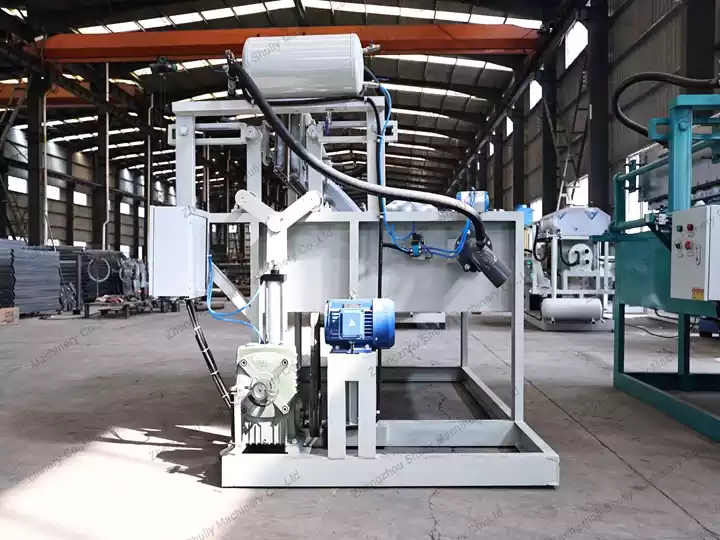
Vacuum Forming: The Core of the Pulp Molding Machine
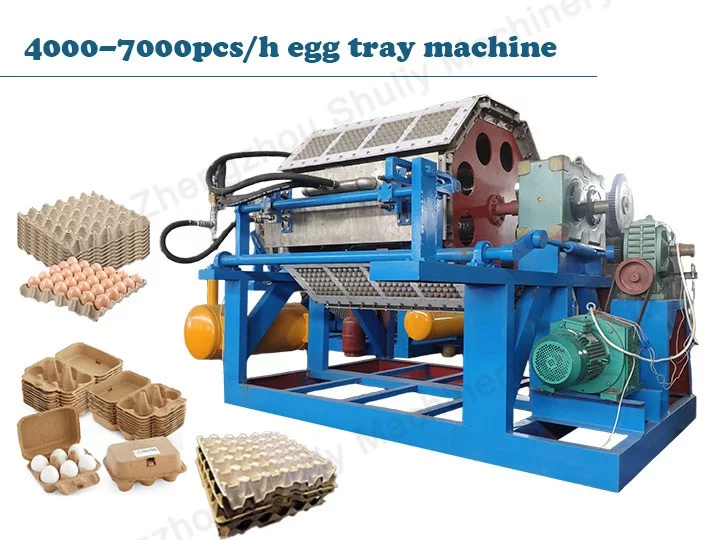
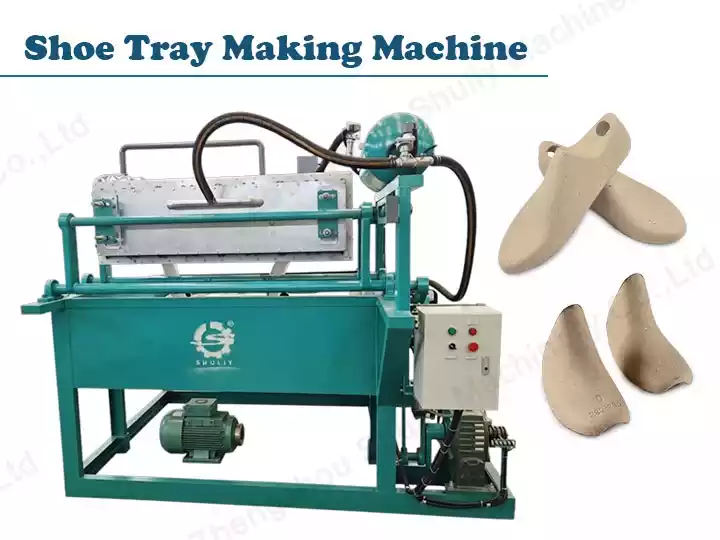
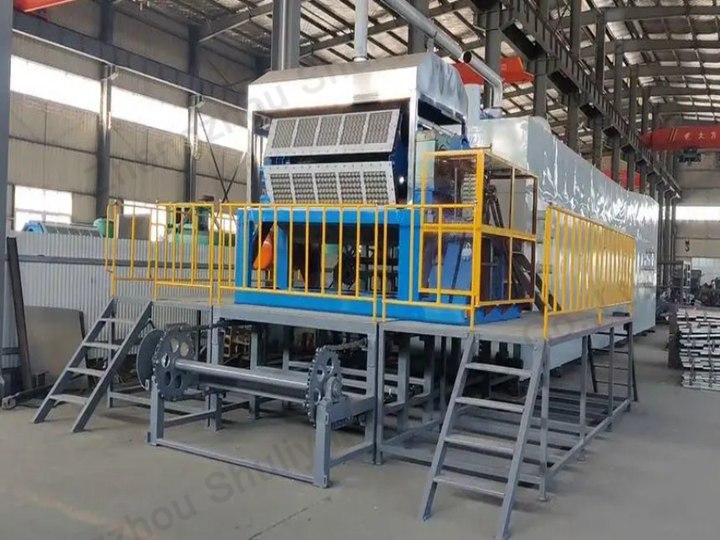
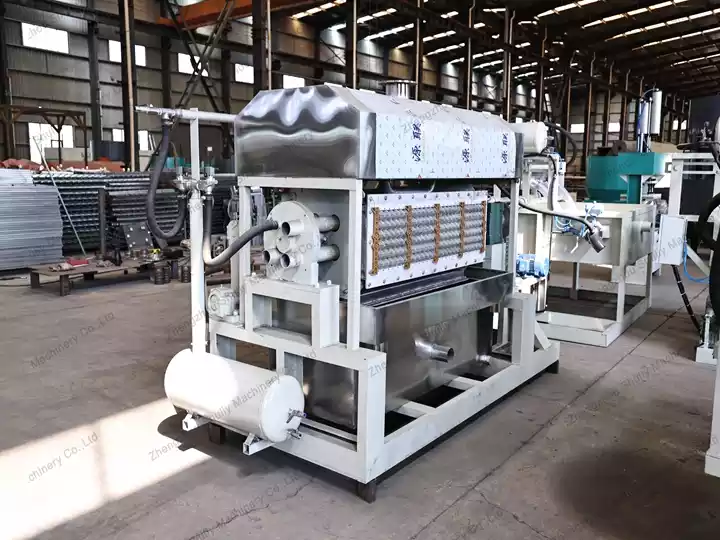
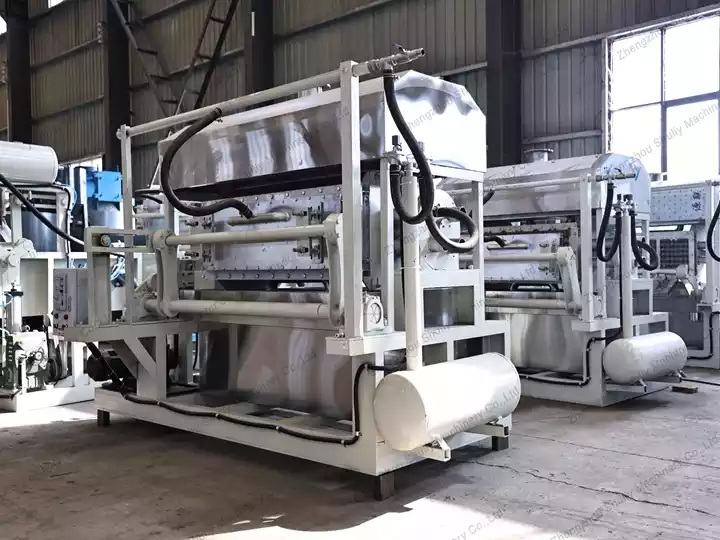
The pulp molding machine is the heart of the production line. It uses a vacuum forming process to shape the wet pulp into the bedpan form. Here is how it works:
- The cleaned, refined pulp slurry is transferred to a forming tank at a controlled concentration.
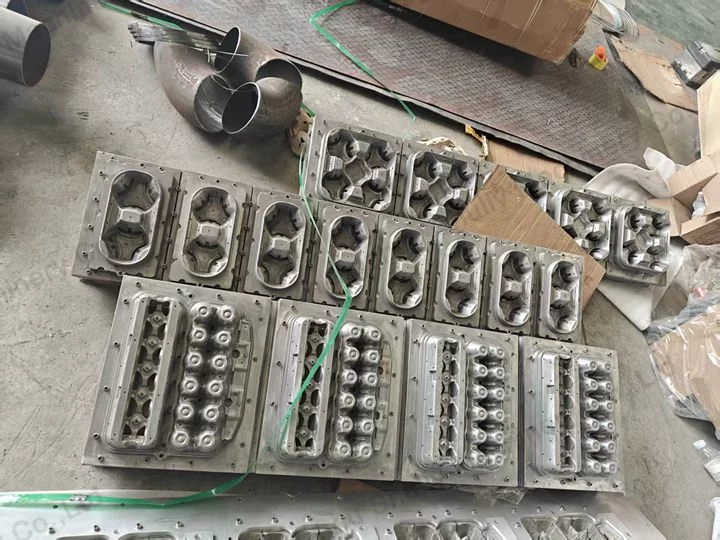
- A metal mold — shaped precisely as a bedpan and covered with a fine mesh screen — is immersed into the slurry.
- ایک vacuum system draws water through the mesh, causing pulp fibers to deposit evenly on the mold surface.
- The wet bedpan blank is formed with uniform wall thickness — typically 2–6 mm — and then transferred to the drying stage.
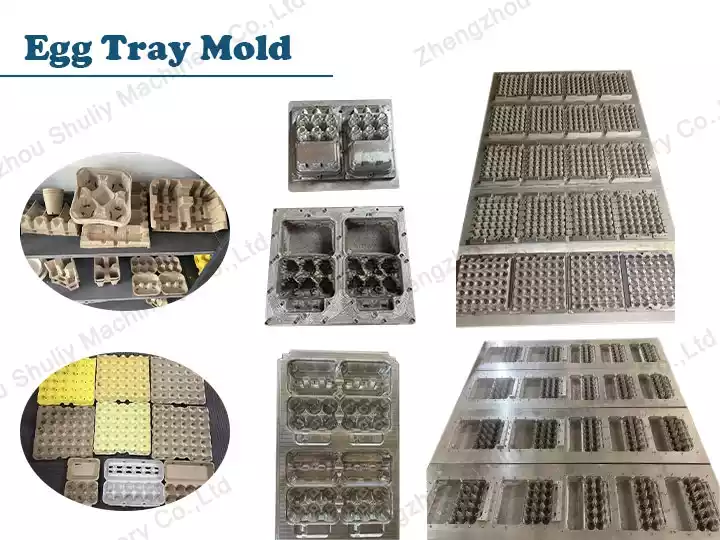
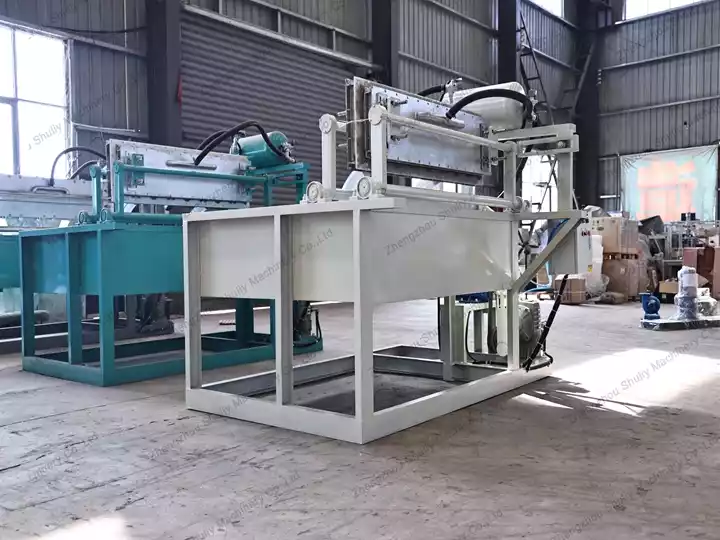
The pulp molding machine can operate in different configurations depending on production scale: rotary forming machines for high-speed continuous output, or reciprocating forming machines for medium-scale operations. Interchangeable molds allow the same machine to produce bedpans, urinals, and other medical pulp products simply by changing the tooling.
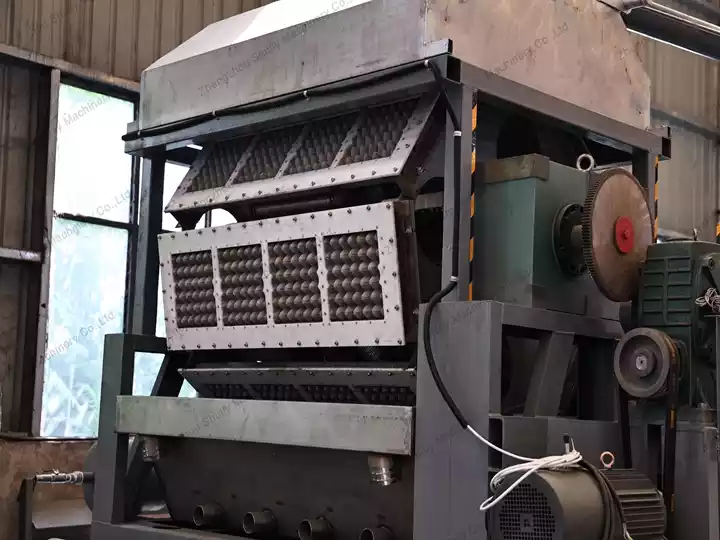
Drying: Removing Moisture for Structural Strength
After forming, the wet bedpan blank contains significant moisture — typically 60–70% water. It must be dried to achieve the structural rigidity required for clinical use. The main drying methods are:
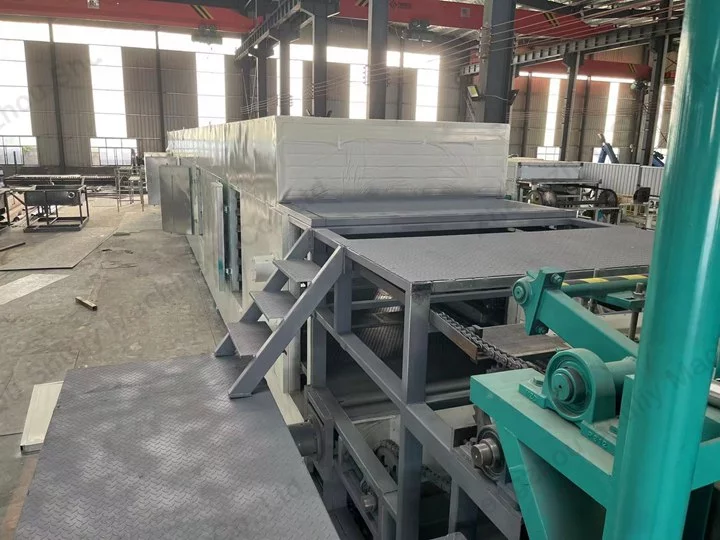
- Metal drying line (continuous tunnel dryer): The most common choice for industrial-scale production. Bedpan blanks travel through a multi-layer metal drying tunnel with controlled hot air circulation. Temperature and dwell time are adjustable, ensuring uniform drying and consistent product quality.
- Brick kiln drying line: A traditional option suitable for specific regions with lower energy costs.
- Natural sun drying: Low-cost but slow, weather-dependent, and inconsistent — suitable only for very small-scale production.
Proper drying in a controlled drying line reduces the bedpan’s moisture content to below 8%, giving it the strength and rigidity to support patient weight without deformation.
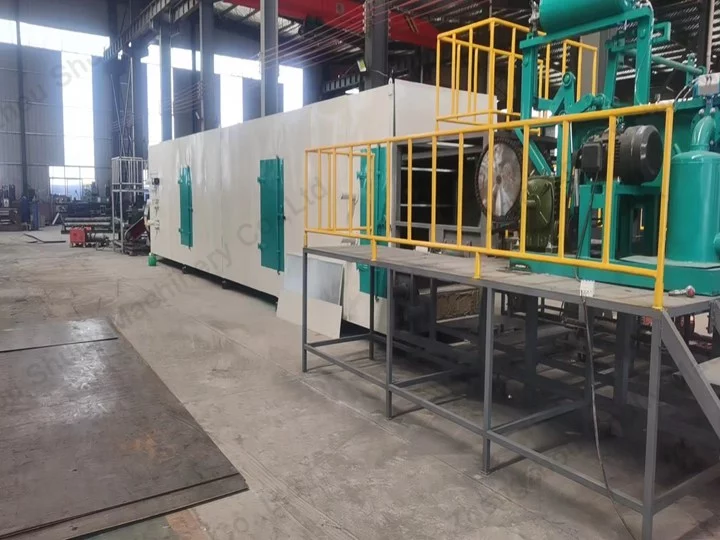
Hot Pressing for Surface Quality and Strength
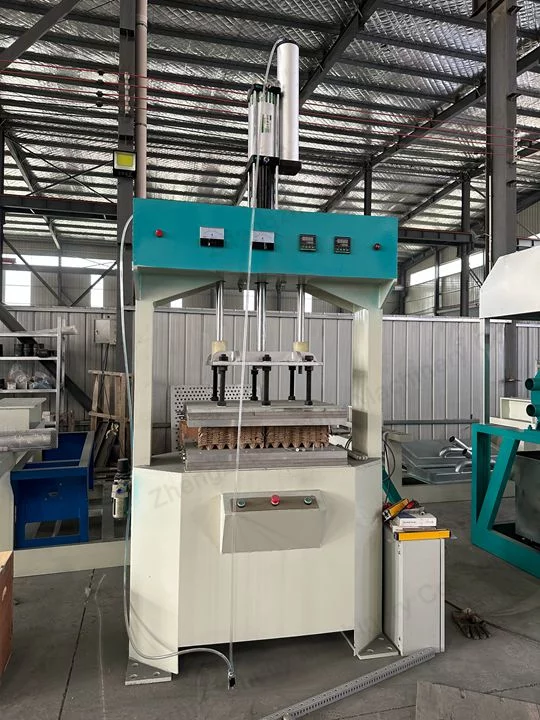
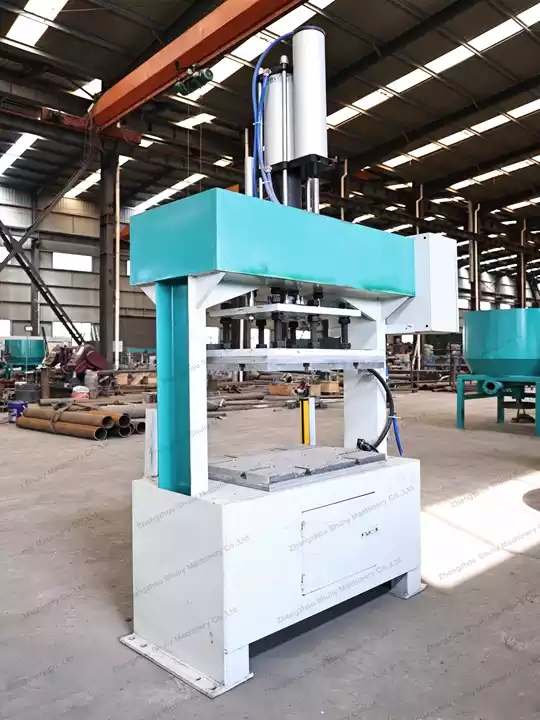
For premium-grade disposable bedpans, a ہوٹ پریس can be added after drying. The dried bedpan is placed between heated male and female molds that apply pressure and temperature simultaneously.
Hot pressing delivers several benefits:
- Higher density and compressive strength
- Smoother, more uniform surface finish
- Better dimensional accuracy and reduced warping
- Improved patient comfort — no rough edges or fiber protrusions
In a complete paper pulp bedpan production line, the hot press is an optional but highly recommended stage for manufacturers targeting hospital-grade quality.
Trimming, Stacking, and Packaging
After drying (and optional hot pressing), the bedpans are trimmed to remove any excess flash or rough edges. Modern production lines use CNC trimming equipment or robotic trimmers for precise, consistent edge finishing.
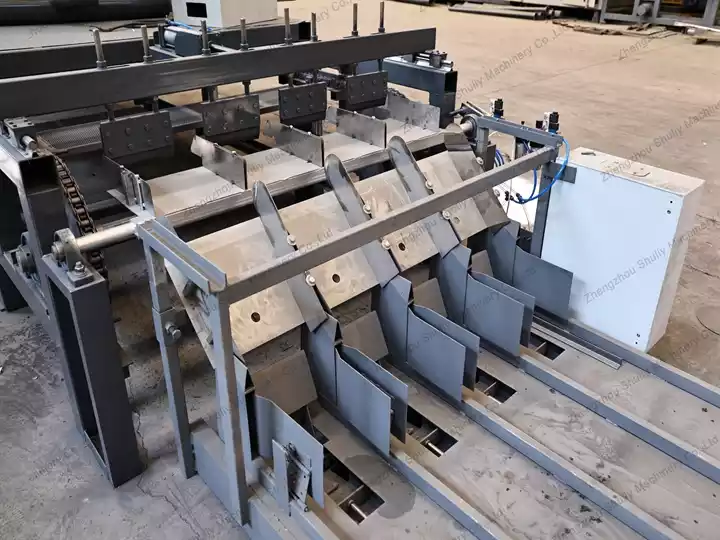
The finished bedpans are then automatically stacked, counted, and packaged — either in bulk cartons for hospital supply chains or in individual sterile packaging for retail medical distribution. Automated stacking and packaging reduce labor costs and ensure consistent packaging quality.
Choose the Right Pulp Molding Machine for Your Production
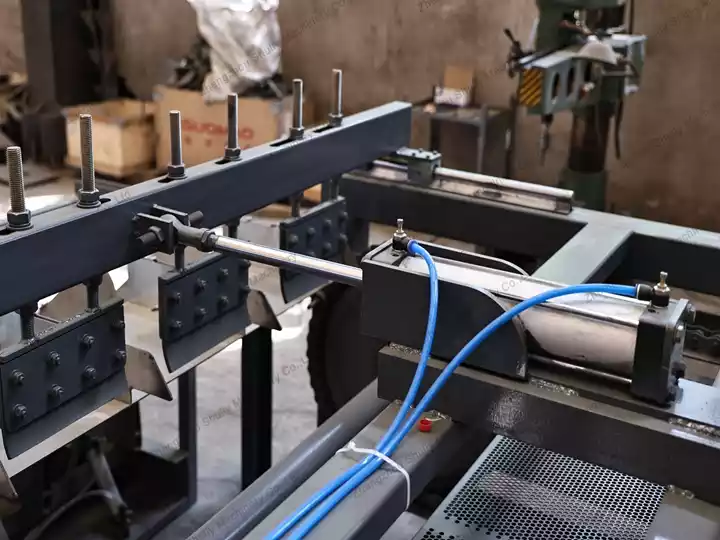
Selecting the right پ pulp مولڈنگ مشین for disposable bedpans depends on your output target, product range, and available space. Key factors to consider:
- Capacity: From 300–500 pcs/h for small-scale operations to 3,000–5,000 pcs/h for industrial production.
- Mold options: Interchangeable molds for bedpans, urinals, emesis basins, and other medical pulp products.
- Wall thickness control: Adjustable vacuum and dwell time for wall thicknesses of 2–6 mm.
- خشک کرنے کا نظام: Metal drying line for consistent, high-volume drying; natural drying for low-cost setups.
- Hot press capability: Optional but recommended for hospital-grade surface quality and strength.
- Automation level: From semi-automatic (manual transfer between stages) to fully automatic (integrated forming, drying, pressing, trimming, and packaging).
- Material compatibility: The machine should process recycled waste paper, bagasse pulp, wood pulp, or custom fiber blends.
Ready to Start Your Paper Pulp Bedpan Production?
Disposable paper pulp bedpans represent a fast-growing market — driven by hospital hygiene standards, environmental regulations, and the push to replace single-use plastics. Whether you are building a new paper pulp bedpan production line from scratch or upgrading your existing pulp molding stage, we provide complete solutions tailored to your capacity, product range, and market.
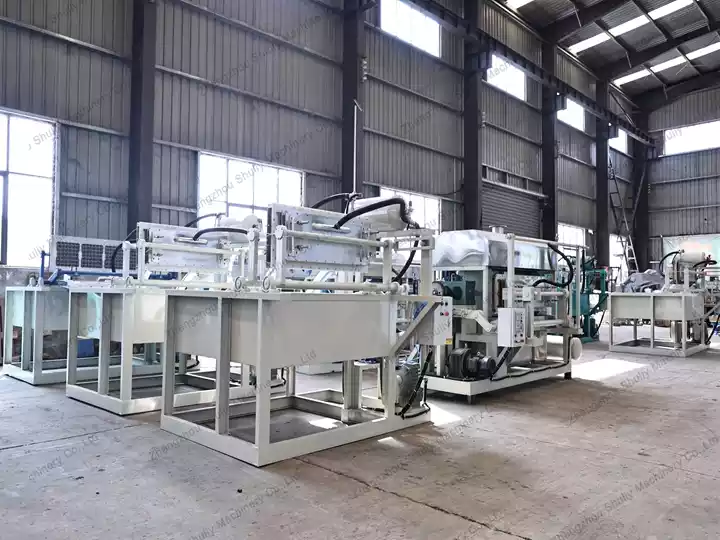
ہمارا paper pulp bedpan production line includes pulping, screening, refining, vacuum forming, drying, hot pressing, trimming, and packaging — all engineered to work together for maximum product strength, hygiene, and production efficiency.
Contact us today for a free consultation and quotation. Send us the following details, and we will respond within 24 hours with a customized equipment recommendation and price:
- Your target output (e.g., 500 pcs/h, 1,000 pcs/h, 3,000 pcs/h)
- Your خام مال (recycled waste paper, bagasse pulp, wood pulp, or custom blend)
- Your product range (bedpans only, or also urinals, emesis basins, etc.)
- Your available workshop space and location
- Any special requirements (CE certification, voltage, automation level, sterile packaging, etc.)
Reach out now and let our engineers help you build a paper pulp bedpan production line that delivers hospital-grade disposable bedpans from 100% recycled paper.