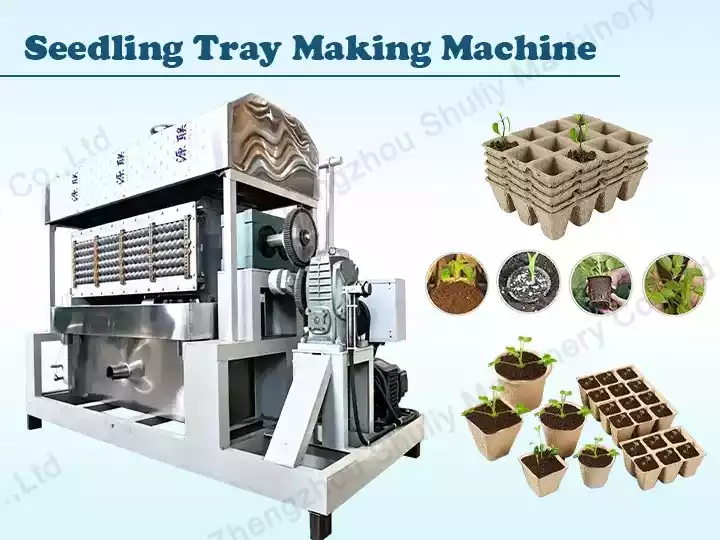
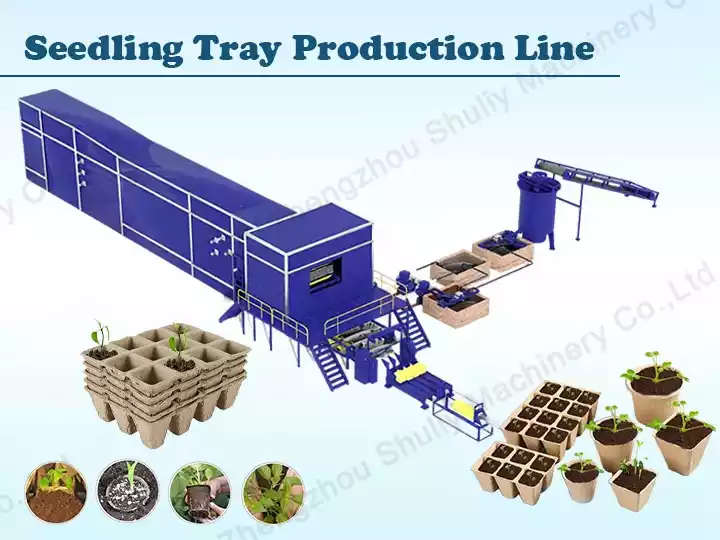
Seedling Tray Production Line | Automatic Pulp Molding Seedling Tray Machine
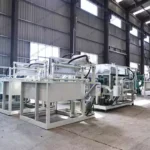
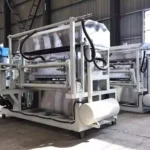
| produtos | seedling tray production line |
| Capacidade | 1000-7000 peças/h |
| matéria-prima | resíduos de pasta de papel |
| mold shape | Customizável |
Agora você pode pedir detalhes técnicos aos nossos gerentes de projeto
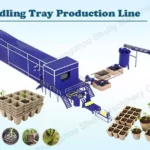
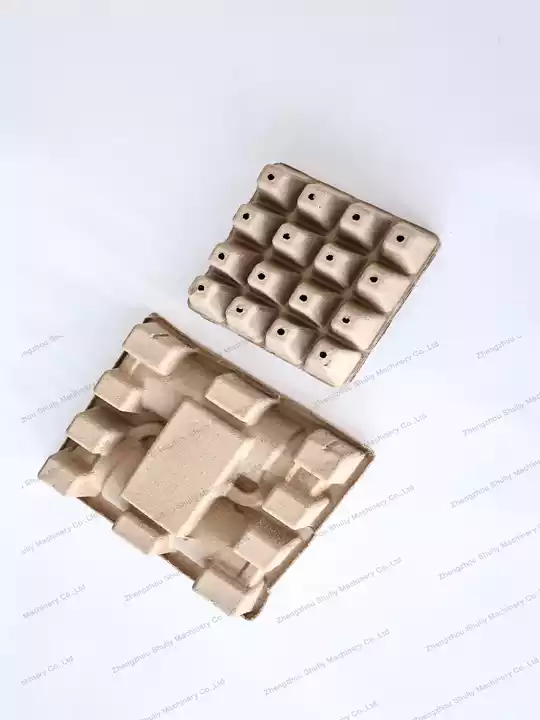
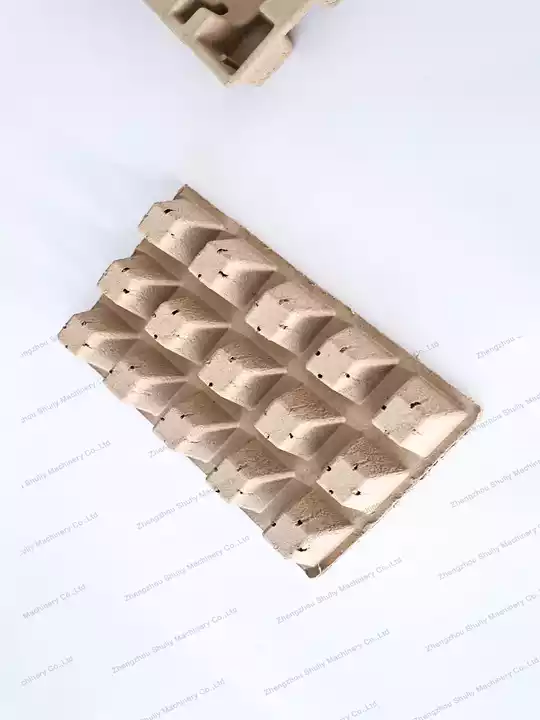
The seedling tray production line is designed to manufacture molded pulp seedling trays from recycled paper, cardboard, and other suitable paper materials. Depending on the machine model and mold configuration, the production capacity can reach 1,000–7,000 pcs/h, making the line suitable for small nurseries, commercial seedling tray manufacturers, and large-scale agricultural packaging factories.
The production line uses pulp molding and vacuum forming technology, while customized seedling tray molds allow different tray sizes, cavity numbers, and product designs to be produced.
A Seedling Tray Production Line Can Serve Different Markets
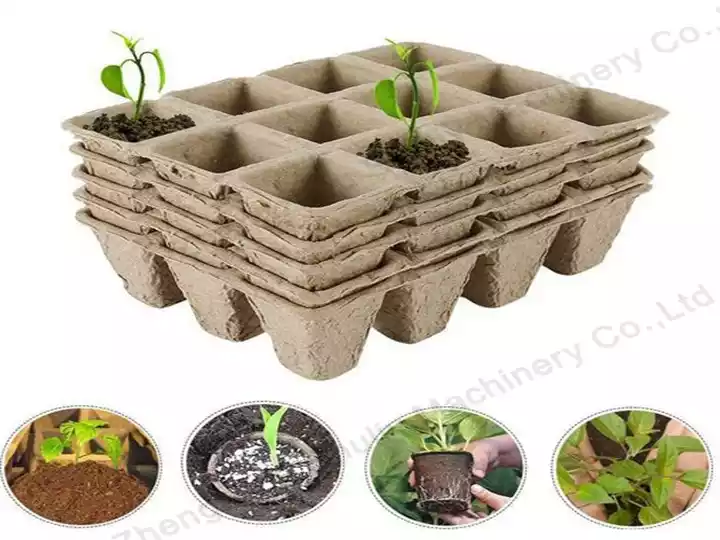
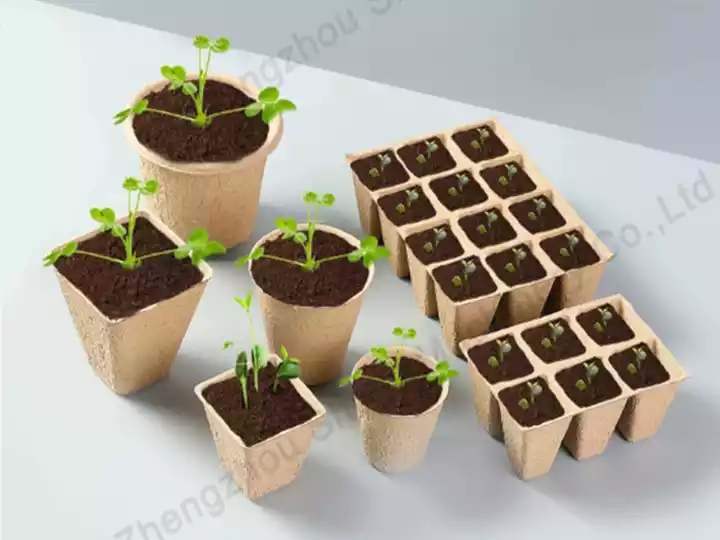
The finished trays can be used for growing and transporting young plants in various agricultural applications, including:
- Vegetable seedlings
- Flower seedlings
- Herb seedlings
- Nursery plants
- Greenhouse cultivation
- Commercial horticulture
- Agricultural nurseries
The customized mold allows the tray design to be adjusted for different planting requirements.
Seedling Tray Production Process
The complete production process can generally be divided into the following stages:
Waste Paper → Pulping → Pulp Preparation → Vacuum Forming → Wet Tray Transfer → Drying → Finished Seedling Trays
- Preparação de Matéria-prima
Waste paper, cardboard, newspapers, or other suitable paper materials are collected and prepared for pulping.
- Despolpamento
The raw materials are mixed with water and processed into pulp with the required consistency.
- Preparação da Polpa
The pulp is further mixed and prepared before entering the molding system to ensure stable forming.
- Vacuum Forming
The prepared pulp is transferred to the forming system. The customized seedling tray mold uses vacuum suction to draw pulp fibers onto the mold surface and form the required tray structure.
- Wet Tray Transfer
After forming, the wet seedling trays are transferred from the molding station for further drying.
- Secagem
The molded trays contain moisture after vacuum forming and need to be dried. Depending on the production configuration, a suitable drying system can be selected.
- Finished Product Collection
After drying, the finished seedling trays are stacked, inspected, and prepared for transportation or direct use.
How Does the Seedling Tray Production Line Work?
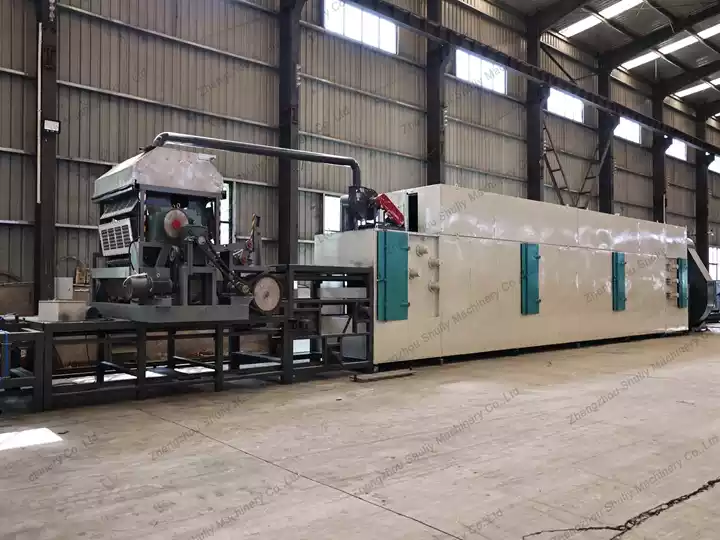
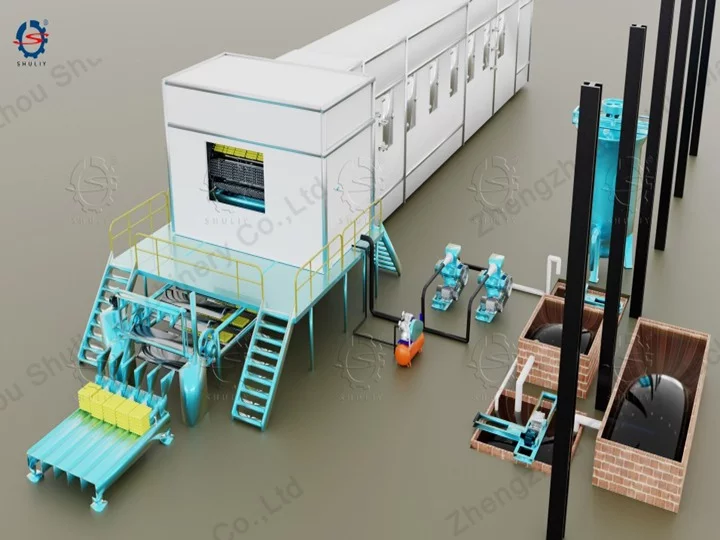
The production line combines several processes into one continuous manufacturing system.
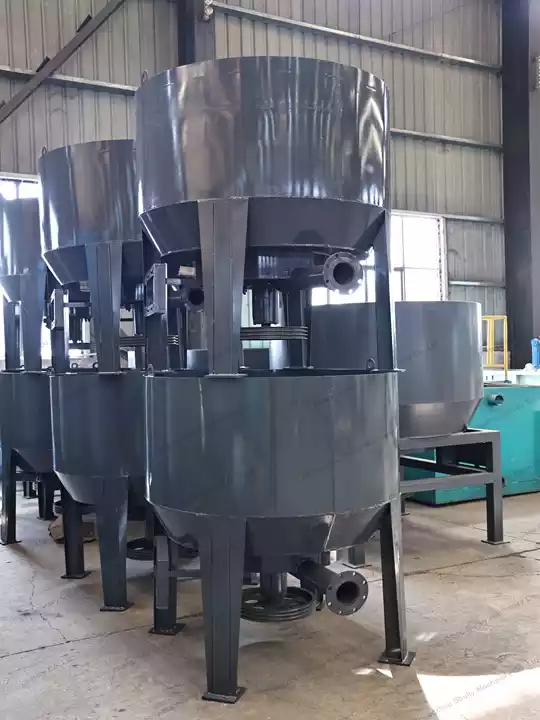
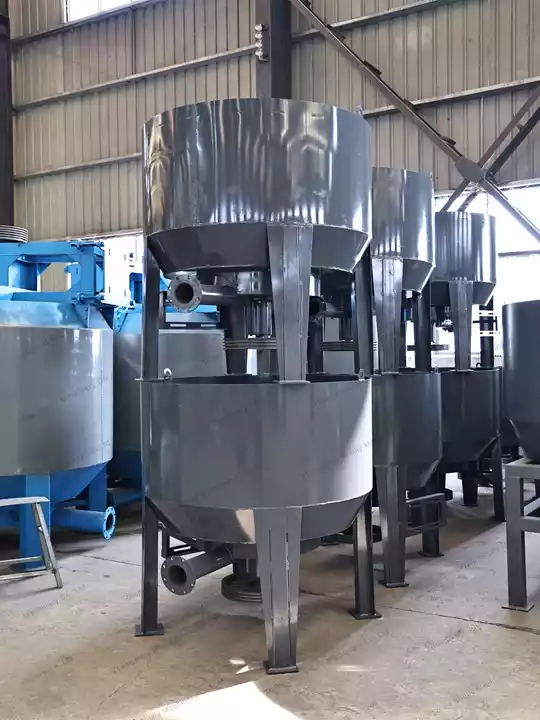
Sistema de pulping
The pulping equipment converts recycled paper materials into usable paper pulp.
Pulp Molding System
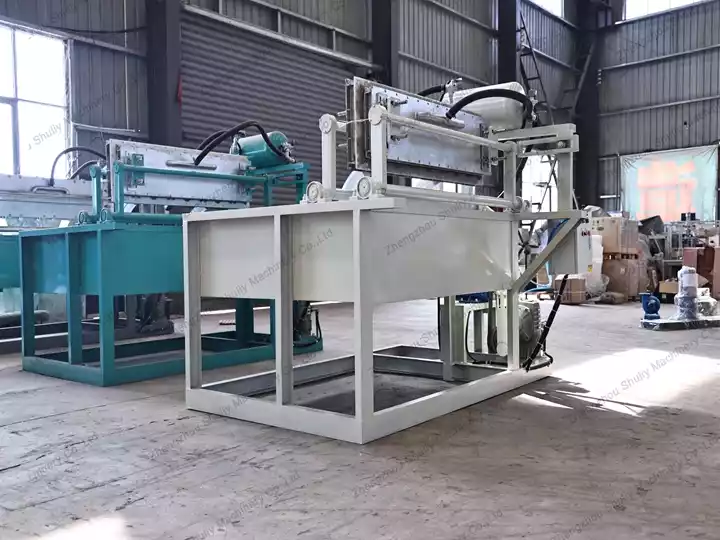
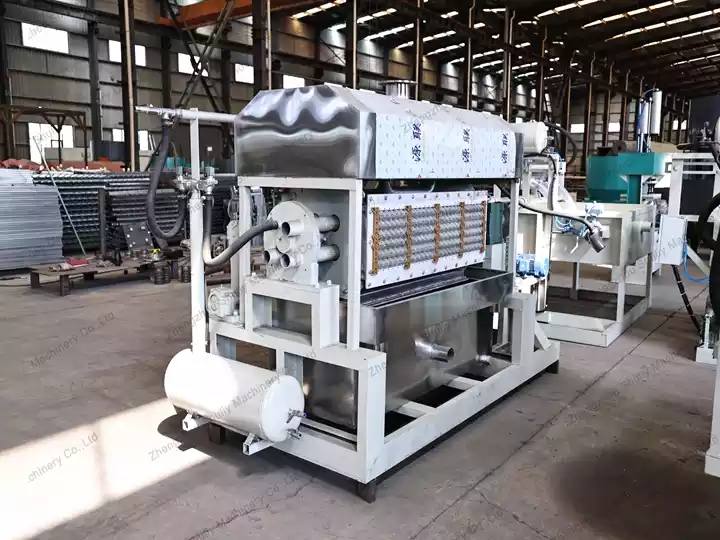
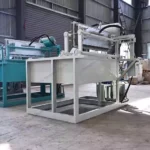
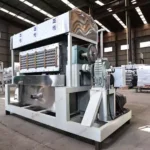
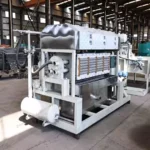
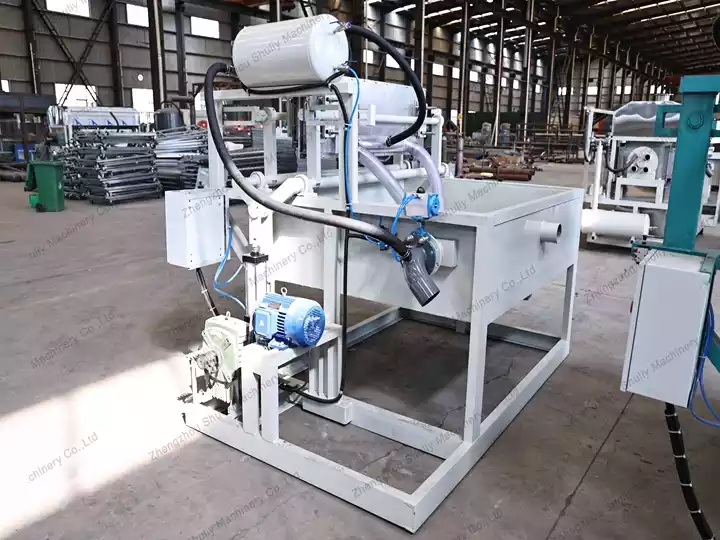
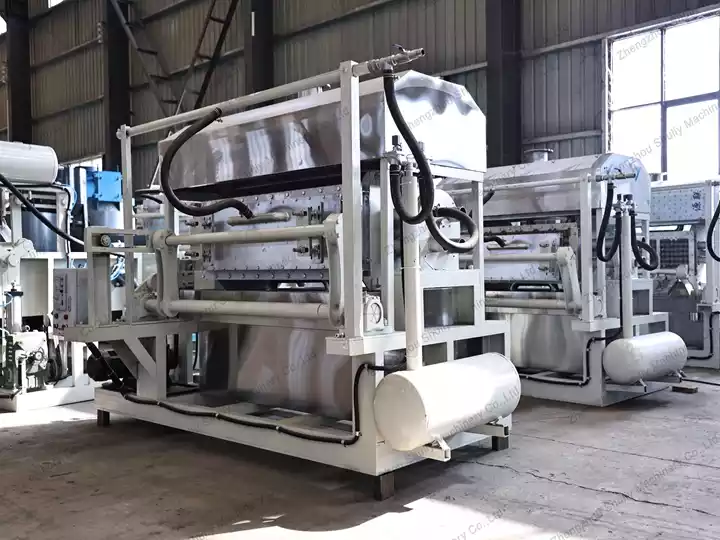
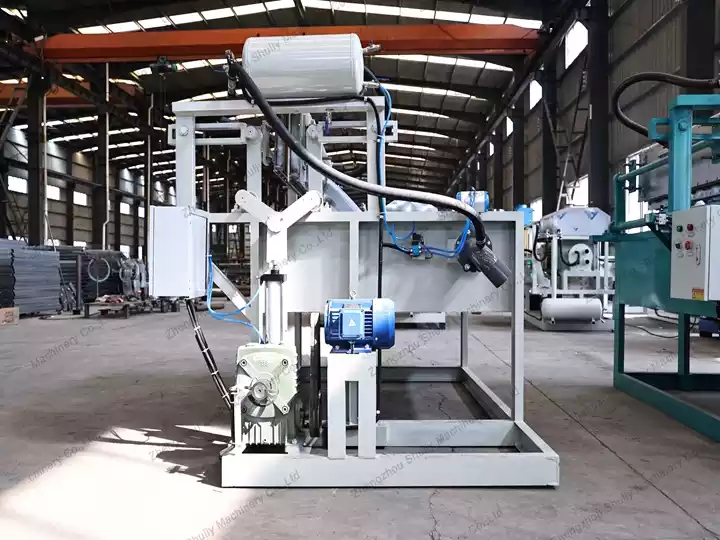
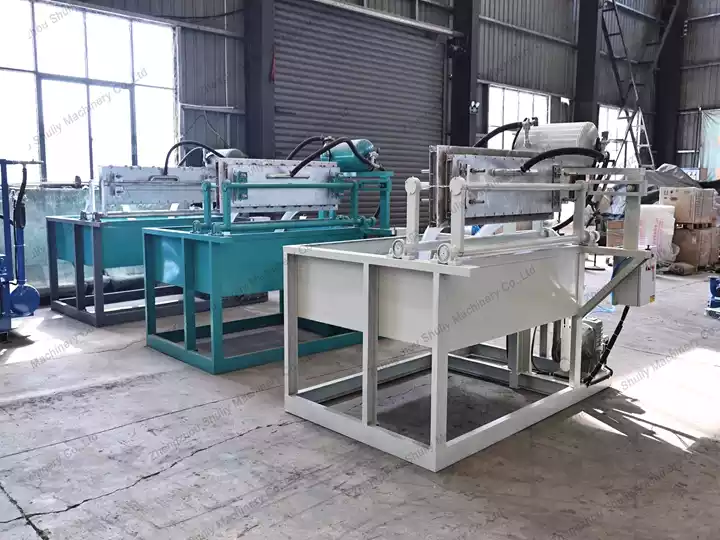
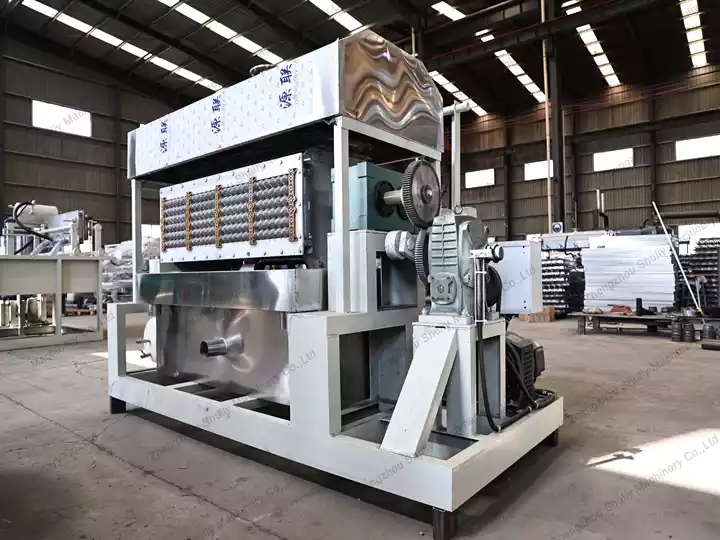
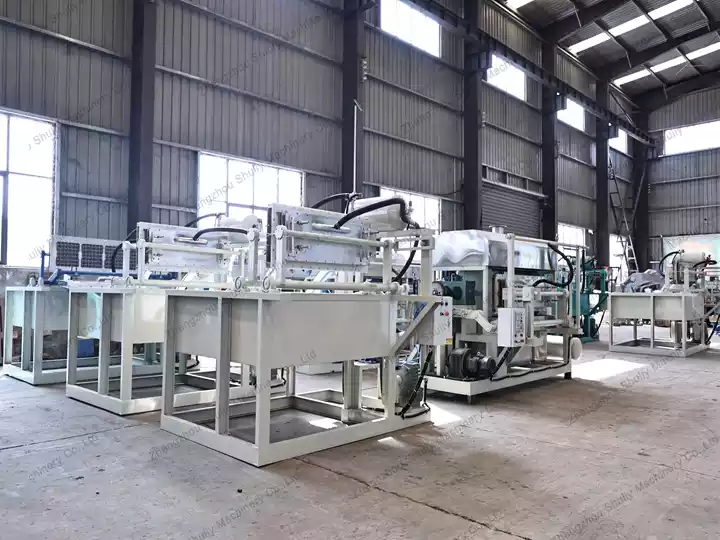
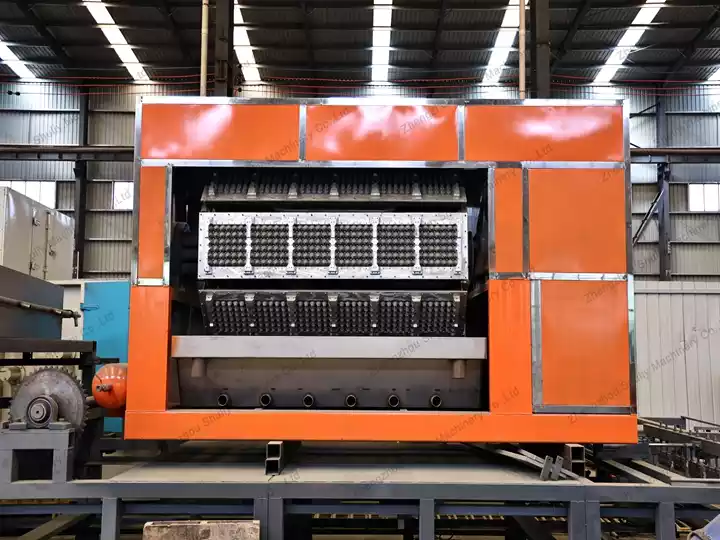
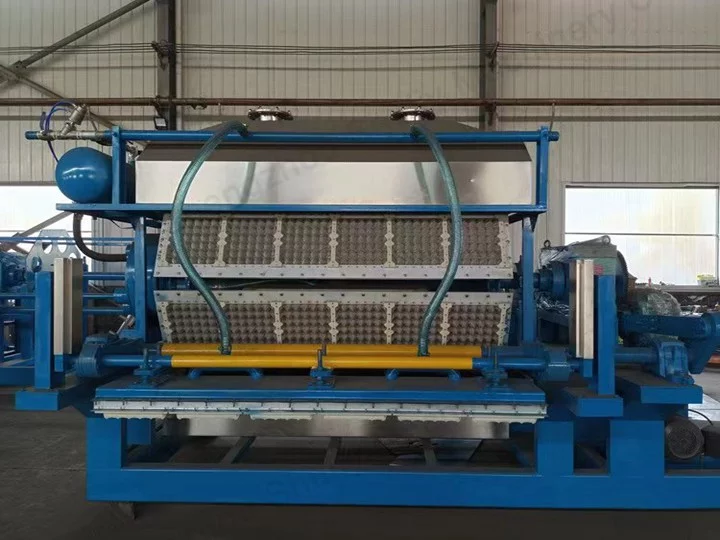
The seedling tray molding machine forms the pulp into seedling trays using customized molds and vacuum suction.
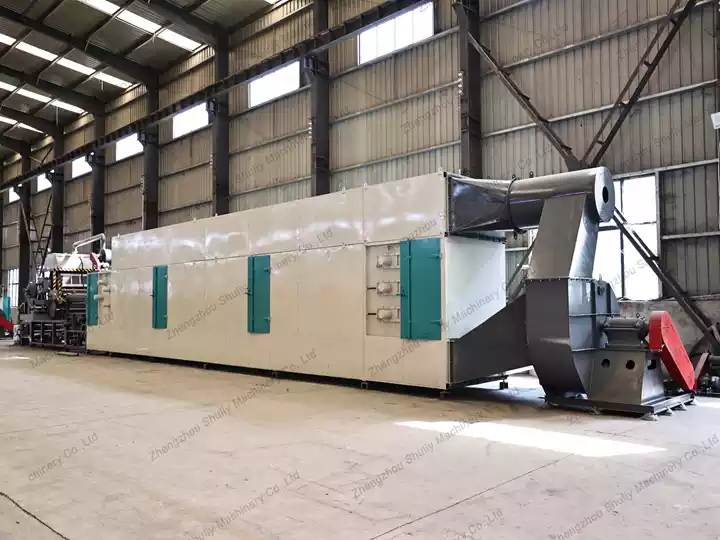
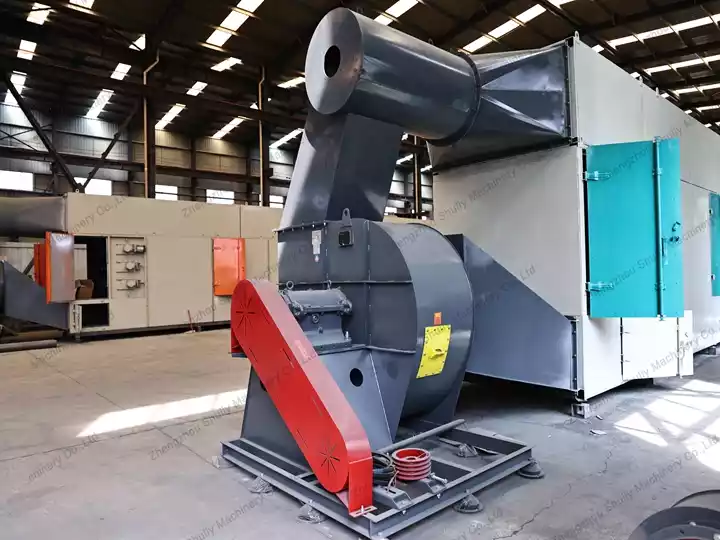
Sistema de secagem
The drying system removes moisture from the molded trays and helps achieve the required finished-product strength.
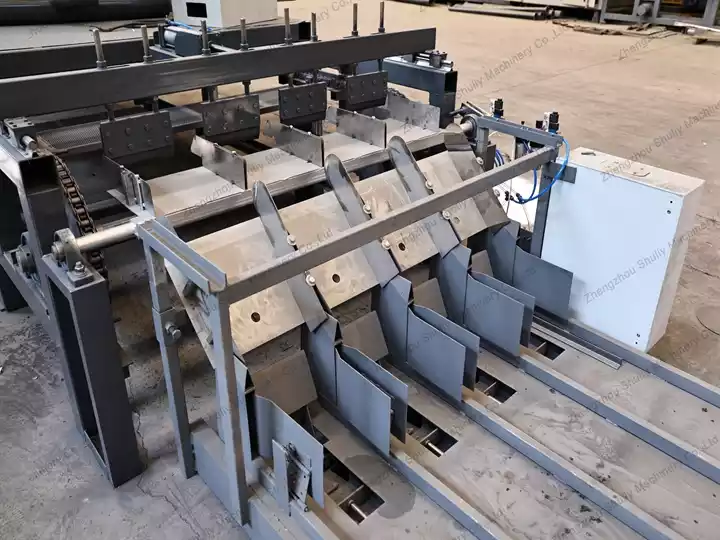
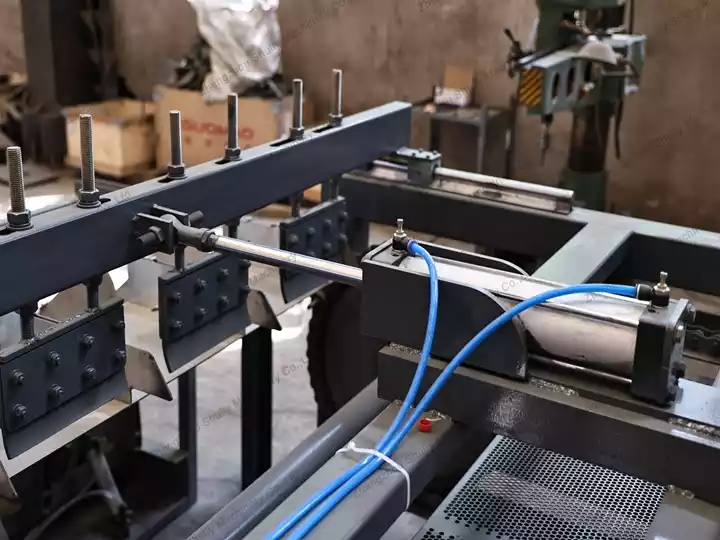
Collection and Stacking
Finished trays are collected and stacked for storage, packaging, or shipment.
Main Equipment in the Seedling Tray Production Line
A complete seedling tray production line can include:
| Equipment | Main Function |
|---|---|
| Máquina de polpa | Converts waste paper into pulp |
| Pulp Storage / Mixing System | Maintains uniform pulp consistency |
| Seedling Tray Molding Machine | Forms seedling trays |
| Drying Machine | Removes moisture |
| Stacking Area | Collects finished trays |
The specific equipment configuration can be adjusted according to the customer’s required capacity, factory layout, and production method.
Seedling Tray Machine Models
We offer multiple machine configurations with production capacities from 1,000 to 7,000 pcs/h.
| Modelo | Capacidade | Poder | Trabalhadores | Melhor Para |
|---|---|---|---|---|
| SL-3×1 | 1,000–1,500 pcs/h | 32 kW | 3–4 | Small nurseries and startup businesses |
| SL-4×1 | 1,500–2,000 pcs/h | 45 kW | 3–4 | Small to medium seedling tray manufacturers |
| SL-3×4 | 2,000–2,500 pcs/h | 58 kW | 4–5 | Produção de média escala |
| SL-4×4 | 3,000–3,500 pcs/h | 78 kW | 4–5 | Commercial nursery tray factories |
| SL-4×8 | 4,000–5,000 pcs/h | 90–120 kW | 3–4 | Large-scale production |
| SL-5×8 | 5,000–6,000 pcs/h | 110–140 kW | 3–4 | Industrial manufacturing |
| SL-6×8 | 6,000–7,000 pcs/h | 130–160 kW | 3–4 | High-output automated factories |
The actual production capacity may vary according to seedling tray dimensions, mold design, raw material characteristics, and operating conditions.
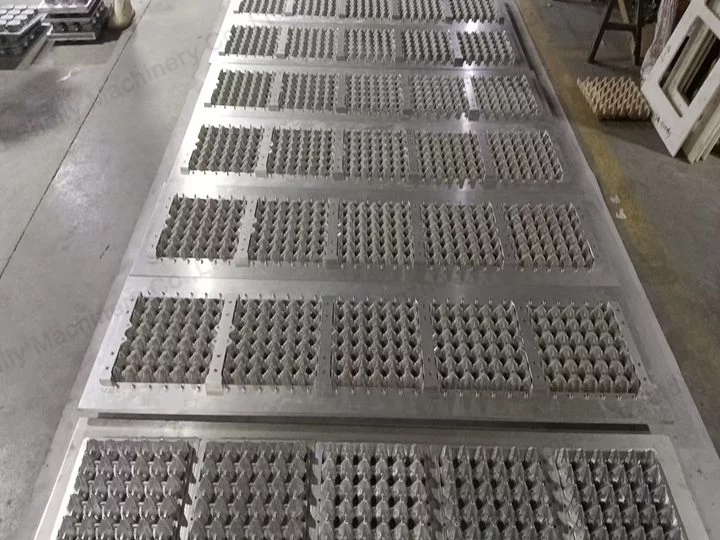
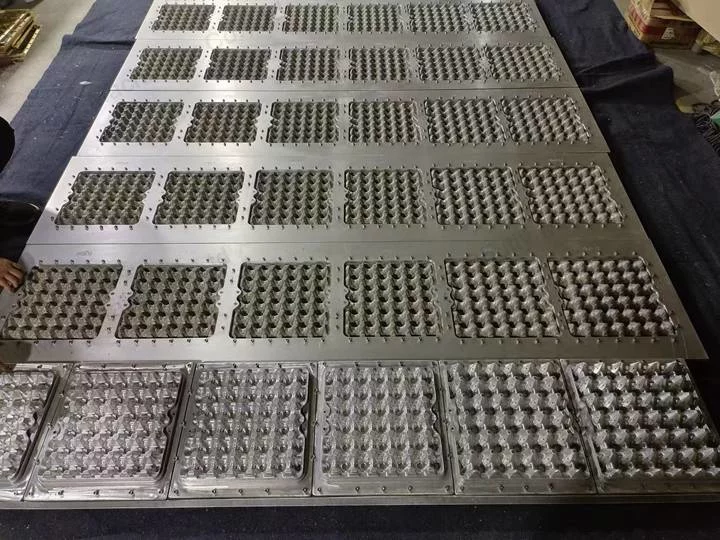
Customized Seedling Tray Molds
The seedling tray mold is one of the most important components of the production line because it determines the final shape and cavity arrangement of the finished tray.
Different tray designs can be customized according to:
- Tray length and width
- Number of cavities
- Cavity dimensions
- Cavity depth
- Tray thickness
- Drainage hole design
- Tray shape
- Customer samples or drawings
If you already have a seedling tray sample, simply send us the sample, dimensions, or technical drawing, and our engineers can design the corresponding mold.

Why Choose Molded Pulp Seedling Trays?
Recycled Paper as Raw Material
The production line can use waste paper, cardboard, newspaper, and other suitable paper materials, helping turn recyclable paper into useful agricultural products.
Lightweight and Easy to Handle
Molded pulp seedling trays are lightweight, making them convenient for nursery operations, transportation, and storage.
Customized Cavity Designs
Different plants may require different cavity sizes and arrangements. Customized molds allow manufacturers to produce trays according to specific nursery requirements.
Suitable for Commercial Nursery Operations
With capacities up to 7,000 pcs/h, the production line can meet the requirements of commercial seedling tray manufacturers and large agricultural operations.

How to Choose the Right Seedling Tray Production Capacity?
Choosing the right capacity mainly depends on your expected orders, working hours, and tray requirements.
1.000–2.000 pcs/h
Suitable for:
- Small nurseries
- Startup businesses
- Small seedling tray orders
2,000–3,500 pcs/h
Suitable for:
- Medium-sized manufacturers
- Regional nursery suppliers
- Growing agricultural businesses
4,000–5,000 pcs/h
Suitable for:
- Large nursery operations
- Commercial seedling tray manufacturers
- High-volume orders
5,000–7,000 pcs/h
Suitable for:
- Produção industrial
- Large agricultural packaging manufacturers
- High-output automated factories
Choosing a machine according to actual demand can help avoid unnecessary equipment investment while leaving room for future production growth.
Perguntas frequentes
What is the capacity of the seedling tray production line?
The available machine models provide capacities from 1,000 to 7,000 pcs/h.
Quais matérias-primas podem ser usadas?
Common materials include waste paper, cardboard, newspaper, and other suitable recyclable paper materials.
Can the seedling tray mold be customized?
Yes. The tray size, cavity number, cavity shape, depth, and other design details can be customized.
Can you make different seedling tray sizes?
Yes. Different tray dimensions and cavity configurations can be produced by using corresponding customized molds.
Contact Us!
Looking for a seedling tray production line with a capacity of 1,000–7,000 pcs/h?
We provide complete pulp molding solutions for manufacturers producing paper seedling trays, with customized molds and different production capacities available.
Send us your seedling tray size, cavity number, target capacity, or product sample, and we can recommend a suitable machine model and production line configuration.
Contact us today for machine prices, production videos, customized mold solutions, and technical support.