How Do Pulp Egg Trays Reduce Plastic Waste?
Every year, the global egg industry consumes billions of egg trays. For decades, the vast majority of those trays were made from plastic — styrofoam (EPS), PET, or PVC. These materials do their job well enough: they protect eggs during transport and display neatly on supermarket shelves. But they come with a massive hidden cost that the world is only now beginning to confront.
Plastic egg trays take 200–500 years to decompose. They accumulate in landfills, clog waterways, break down into microplastics that enter the food chain, and contribute to the 400 million tons of plastic waste generated each year globally. For egg producers, packaging distributors, and environmental regulators, the question is no longer whether to switch away from plastic — it is how to do it efficiently and profitably.
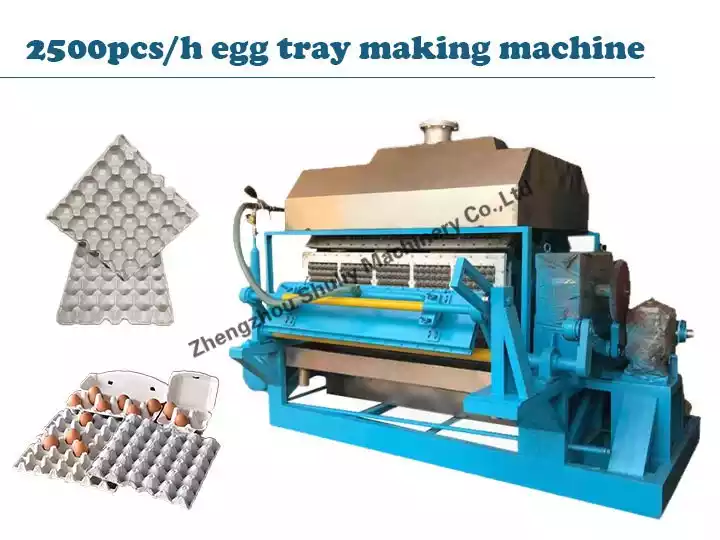
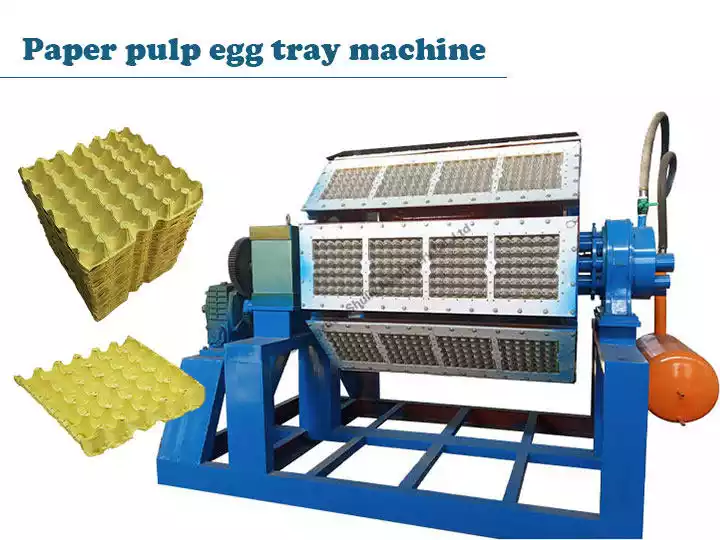
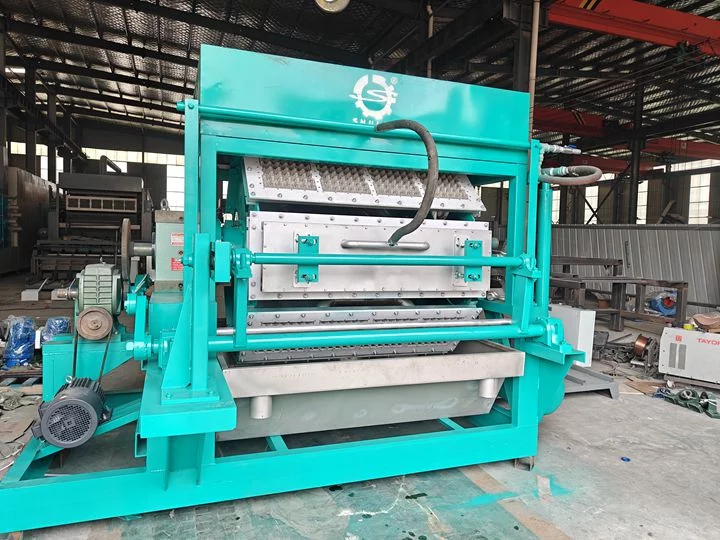
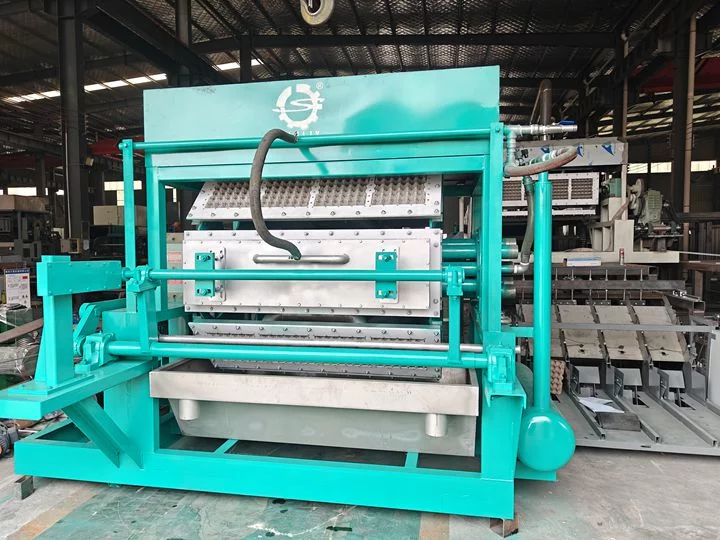
The answer is paper pulp egg trays. And the machine that makes them — the آلة صينية البيض — is the bridge between waste paper and sustainable packaging. Let us look at exactly how pulp egg trays reduce plastic waste, and why investing in an egg tray machine makes both environmental and business sense.


Pulp Egg Trays Replace Plastic at the Source
The most direct way pulp egg trays reduce plastic waste is by replacing plastic trays entirely. A standard 30-egg plastic tray weighs roughly 40–60 grams. A poultry farm producing 100,000 eggs per day uses about 3,300 trays per day—that is 120–180 kg of plastic per day, or 40–60 tons per year from a single mid-sized operation.
When that same farm switches to pulp egg trays produced by an egg tray machine, those 40–60 tons of annual plastic waste become zero. The pulp trays are made from 100% recycled waste paper — old newspapers, corrugated cartons, magazines, used egg trays themselves — material that would otherwise go to a landfill or incinerator.
Here is the replacement math for a single egg producer:
| Packaging Type | Tray Weight | Daily Trays | Annual Material | End of Life |
|---|---|---|---|---|
| Plastic (EPS/PET) tray | 40–60g | 3,300 | 40–60 tons plastic | 200–500 years to decompose |
| علبة لب البيض | 80–100g | 3,300 | 80–100 tons waste paper | 2–6 weeks to biodegrade |
The pulp tray is slightly heavier, but the raw material is waste paper that already exists in the waste stream — not virgin plastic resin that must be manufactured from petroleum. Every pulp tray produced by an egg tray machine is one less plastic tray entering the environment.
The Raw Material Is Waste Paper — Not Petroleum
This is the environmental equation that makes pulp egg trays so powerful. Plastic trays are made from petrochemical feedstock — oil and natural gas that must be extracted, refined, polymerized, and molded. The full lifecycle carbon footprint of a plastic egg tray includes extraction, transportation, chemical processing, and final disposal.
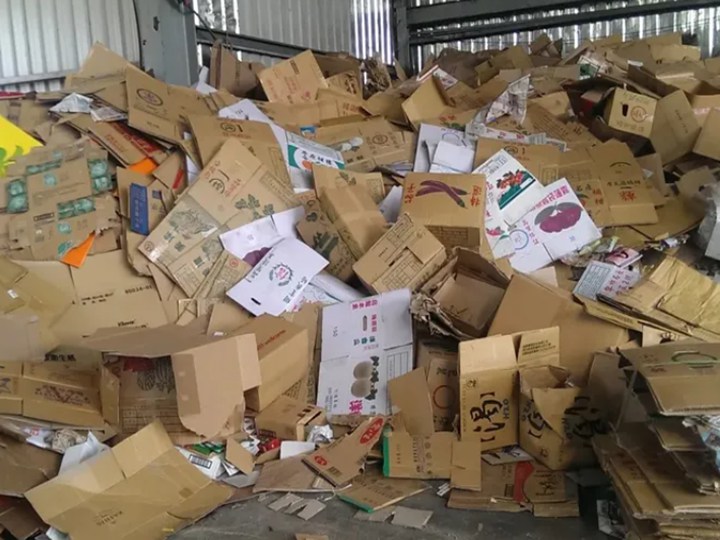
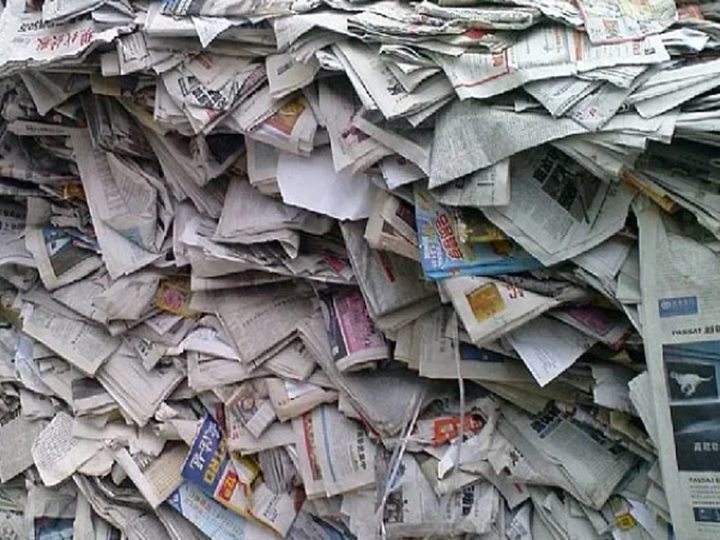
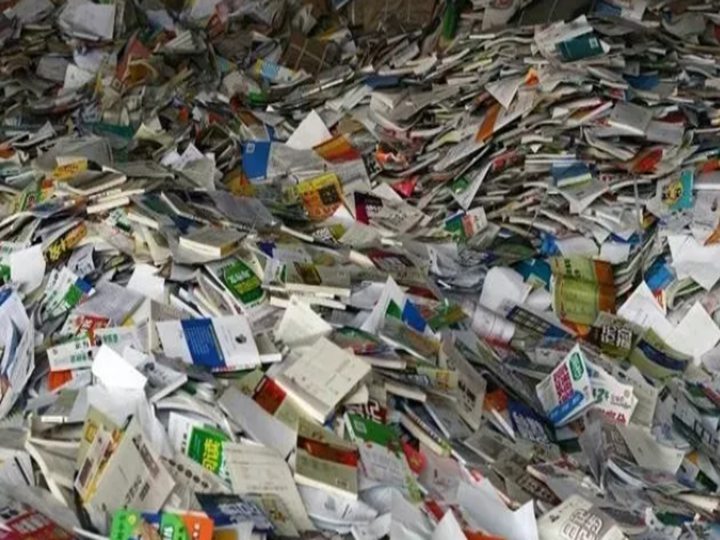
A pulp egg tray starts with نفايات الورق. The egg tray machine accepts:
- صناديق الكرتون المجعدة القديمة (OCC)
- Waste newspapers and magazines
- Used office paper
- Waste paperboard
- Recycled egg trays themselves — pulp trays can be re-pulped and remade into new trays
This means the raw material for pulp egg trays is essentially free and abundant. Every recycling center, printing shop, warehouse, and office building generates waste paper daily. Instead of paying to send it to a landfill, that waste paper is fed into the egg tray machine and transformed into a saleable product.
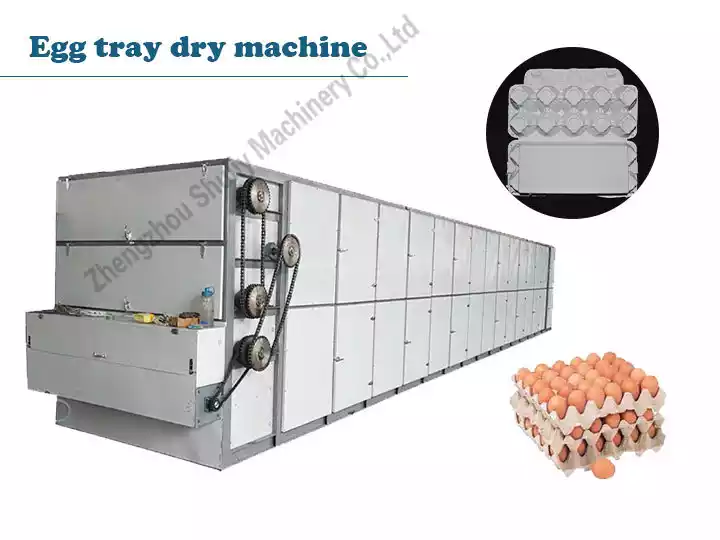
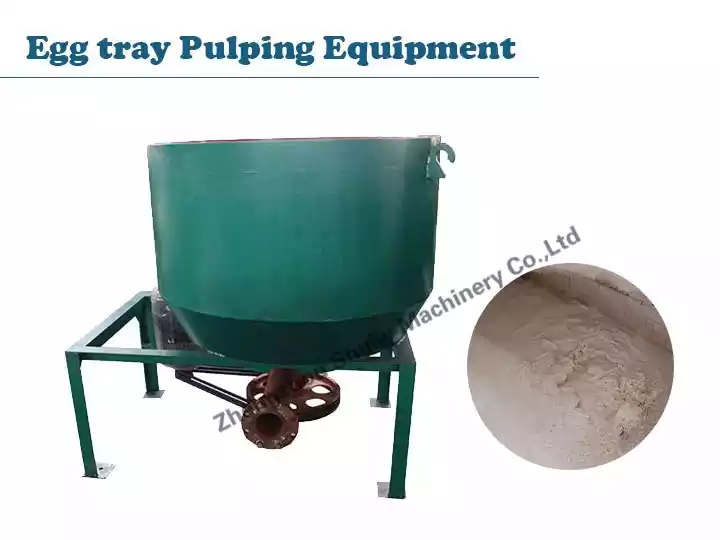
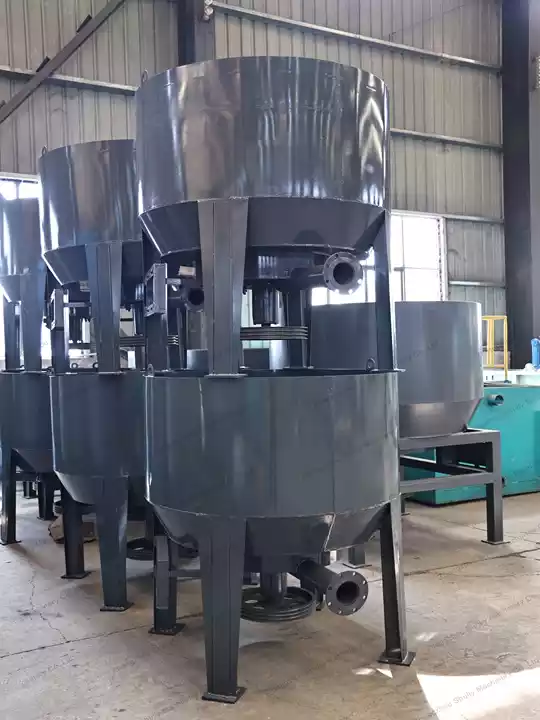
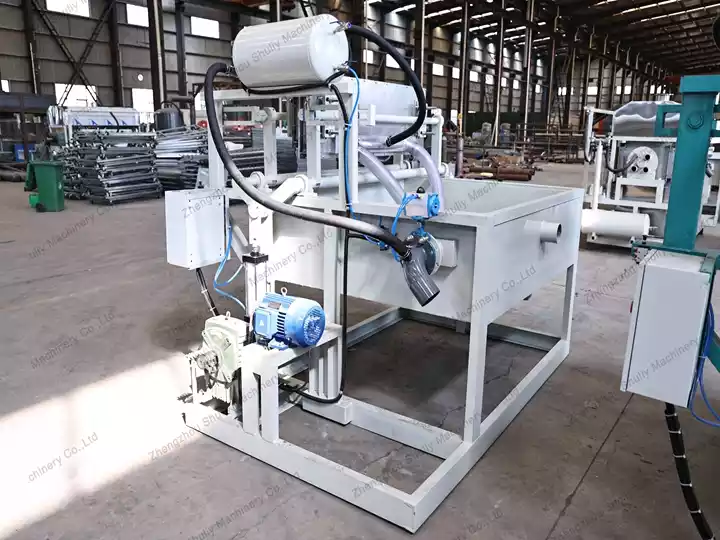
The pulp molding process uses a paper-to-water ratio of 1:5 to 1:6. The paper fibers are separated in a hydraulic pulper, screened to remove impurities, and diluted into a thin slurry. The water is recirculated within the system — a closed-loop design that minimizes fresh water consumption. No bleach, no chemical additives, no petroleum. Just paper, water, and the آلة صينية البيض.
Pulp Egg Trays Are 100% Biodegradable and Compostable
One of the strongest environmental arguments for pulp egg trays is their end-of-life profile. A plastic egg tray that ends up in a landfill, a river, or an ocean will persist for centuries. A pulp egg tray, made entirely from paper fiber, will biodegrade within 2–6 weeks in natural conditions.
- In soil: Pulp egg trays decompose naturally, adding organic matter to the soil. Some farms even shred used pulp trays and use them as compost or mulch.
- In composting: Pulp trays are fully compostable in both industrial and home composting systems.
- In water: Unlike plastic, pulp trays do not generate microplastics. They break down harmlessly.
- In a landfill: Even in a landfill, pulp trays decompose far faster than plastic — typically within months rather than centuries.
This biodegradability is not an optional feature — it is inherent to the material. Every tray produced by an egg tray machine is made from plant fibers that nature already knows how to break down. There is no special coating, no chemical treatment, and no plastic lining to prevent decomposition.

Pulp Trays Can Be Recycled Back Into New Trays
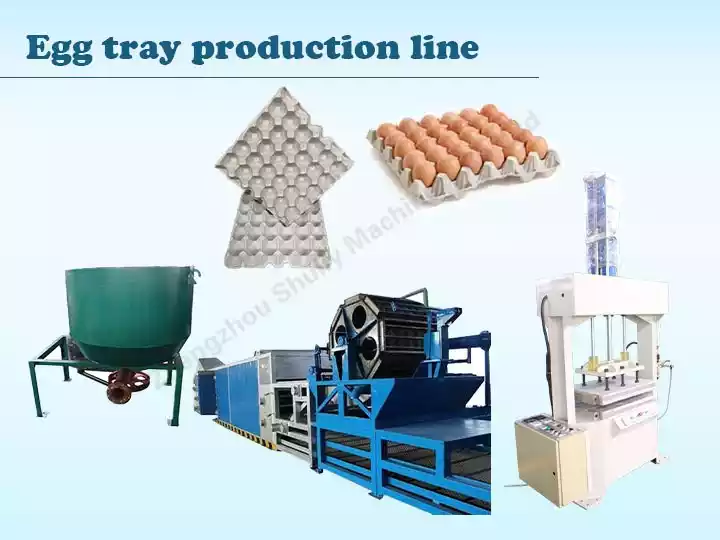
One of the most remarkable features of pulp egg trays is that they are infinitely recyclable within the same production loop. A used pulp egg tray can be collected, re-pulped, and formed into a new tray by the same egg tray machine that made it originally. This is a true circular economy model:
- نفايات الورق enters the egg tray machine → becomes pulp egg trays
- صواني البيض protect eggs during transport and sale
- Used trays are collected back from markets, farms, and consumers
- Used trays are re-pulped in the same hydraulic pulper → become new pulp egg trays
This loop can be repeated indefinitely — the paper fibers degrade slightly with each cycle, but fresh waste paper can be blended in to maintain strength. No plastic tray can be recycled in this way. Plastic egg trays, even when collected for recycling, typically end up being downcycled into lower-grade products or sent to landfill because the economics of recycling small, contaminated plastic items are unfavorable.
For an egg producer or packaging manufacturer, this means the آلة صينية البيض creates a self-sustaining material loop. You are not just replacing plastic — you are building a system where your own waste product becomes your raw material.
An Egg Tray Machine Turns Waste Paper Into Profit
The environmental benefits of pulp egg trays are clear. But the reason so many entrepreneurs, egg farms, and packaging companies are investing in an egg tray machine is that the economics are equally compelling. Here is how the business model works:
Raw material cost: Waste paper is essentially free or available at minimal cost. Old corrugated cartons and newspapers can be purchased from recycling centers for $20–$50 per ton, or collected for free from local businesses and warehouses.
Production cost per tray: The egg tray machine consumes about 0.25 kWh of electricity per kilogram of trays — roughly $0.01–$0.02 per tray including electricity, water, and fuel for drying. For a 30-egg tray weighing ~90 g, the total manufacturing cost is typically $0.02–$0.04 per tray.
Selling price: Pulp egg trays sell for $0.08–$0.15 per tray in bulk, depending on market, tray size, and order volume.
Profit margin: 50–70% — one of the highest margins in the packaging industry.
Here is a practical example for an آلة صينية البيض producing 3,000 trays per hour (a mid-range model):
| البند | Value |
|---|---|
| Daily output (8 hours) | 24,000 trays |
| Daily raw material needed | ~2,000 kg waste paper |
| Daily electricity + fuel cost | ~$50–$80 |
| Daily production cost | ~$600–$900 |
| Daily revenue (at $0.10/tray) | ~$2,400 |
| Daily gross profit | ~$1,500–$1,800 |
| Monthly gross profit (25 days) | ~$37,500–$45,000 |
The egg tray machine takes a material that people pay to throw away (waste paper) and converts it into a product that egg farms, supermarkets, and food distributors need every single day. It is one of the cleanest waste-to-value business models in manufacturing.

Matching the Egg Tray Machine to Your Production Scale
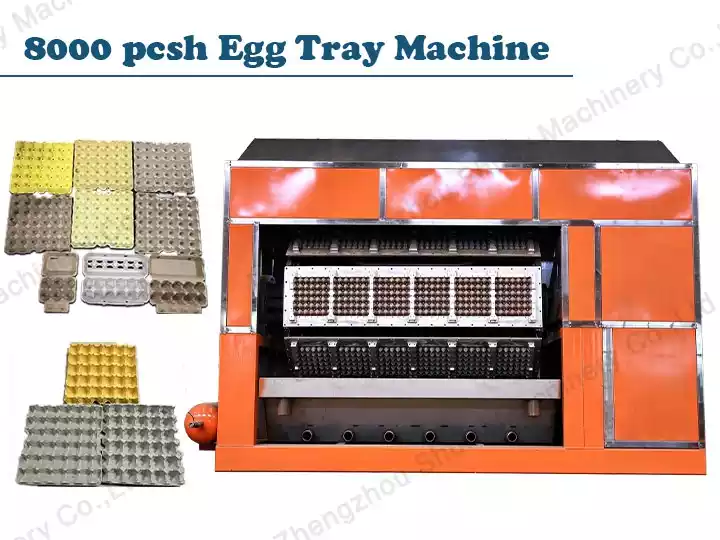
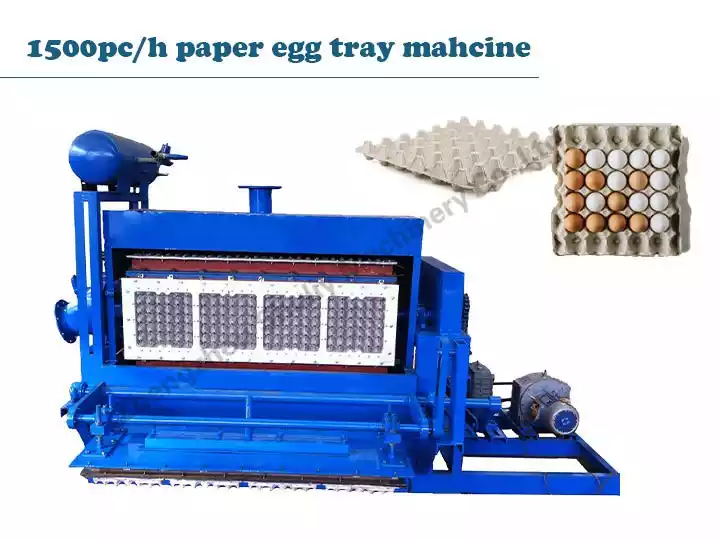
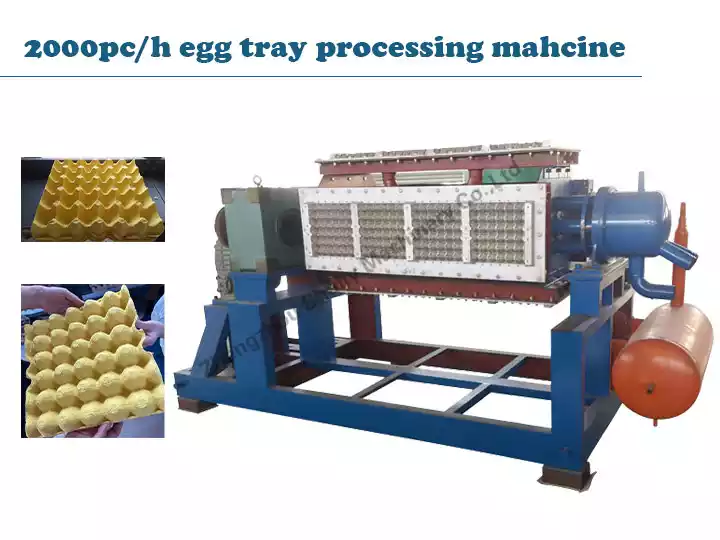
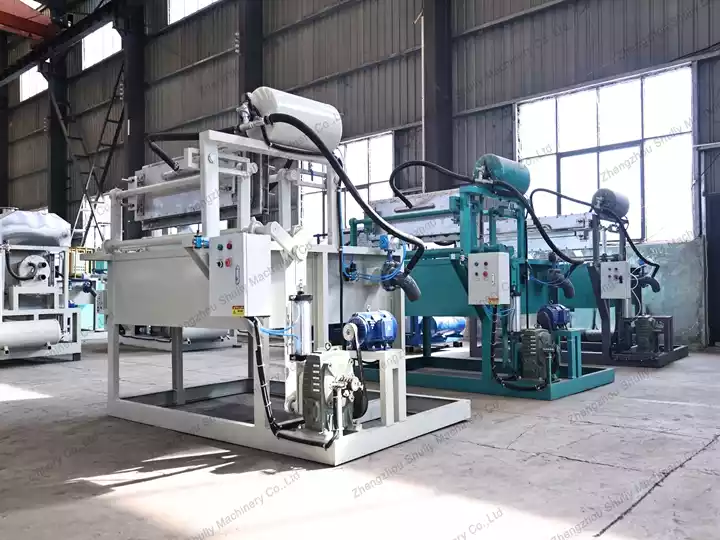
ماكينات صينية البيض come in a range of capacities to match different production scales — from small farms making trays for their own eggs to large-scale packaging manufacturers supplying major supermarket chains:
| نموذج | السعة (قطعة/ساعة) | قوالب | الطاقة (كيلوواط) | Waste Paper (kg/h) | المشغلون | الأفضل لـ |
|---|---|---|---|---|---|---|
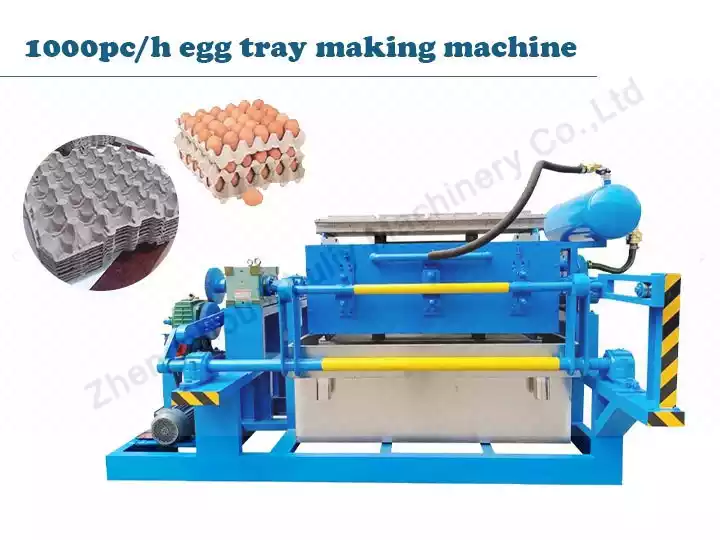
| SL-1-4 | 1,000–1,500 | 4 sides × 1 mold | ~40 | 80–120 | 3–4 | Small farms, startup production |
| SL-4-4 | 2,500–3,000 | 4 sides × 4 molds | ~88 | 200 | 4–5 | Medium egg farms, local suppliers |
| SL-4-8 | 4,000–4,500 | 4 sides × 8 molds | ~148 | 320 | 4–6 | Growing packaging businesses |
| SL-5-8 | 5,000–5,500 | 5 sides × 8 molds | ~209 | 425 | 5–6 | Large-scale production |
| SL-6-8 | 6,000–7,000 | 6 sides × 8 molds | ~273 | 520 | 5–7 | Industrial-scale manufacturers |
Selection guidance:
- Small egg farms (under 50,000 eggs/day): BTF-1-4 or BTF-4-4 produces enough trays for self-supply with surplus to sell.
- Medium operations (50,000–200,000 eggs/day): BTF-4-8 or BTF-5-8 balances capacity with manageable investment.
- Large packaging manufacturers (supplying multiple farms/supermarkets): BTF-6-8 or BTF-8-8 for maximum throughput.
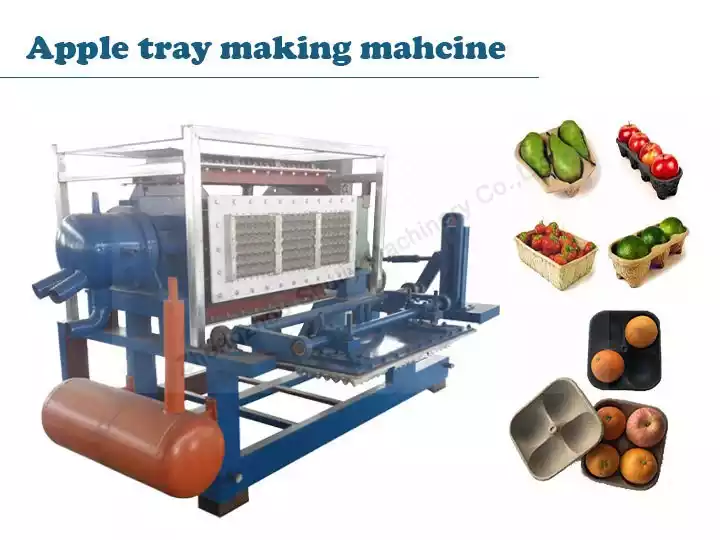
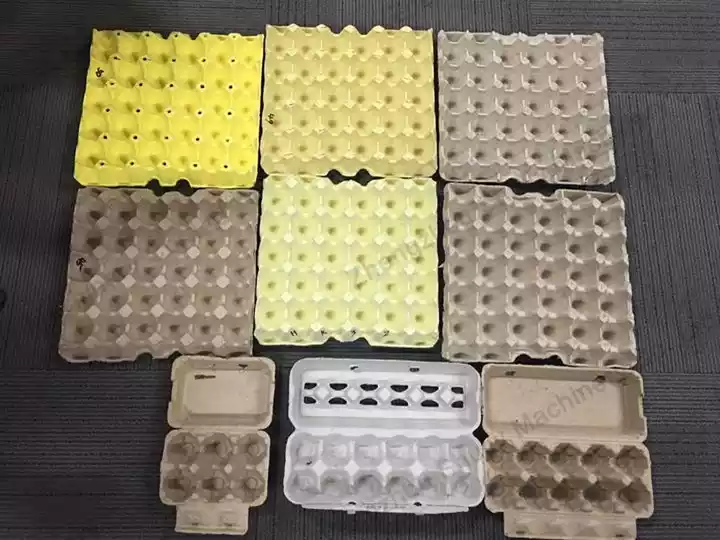
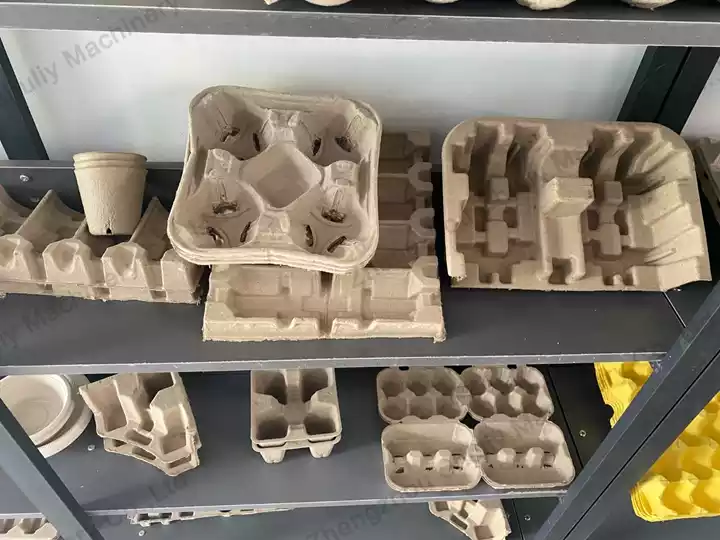
All models support multiple mold configurations — 6-egg, 10-egg, 12-egg, 18-egg, 24-egg, 30-egg trays, as well as fruit trays, cup trays, and custom shapes. Changing molds takes 2–4 hours, allowing production flexibility within a single line.

Ready to Replace Plastic with Pulp Egg Trays?
The world is moving away from plastic packaging — and pulp egg trays are at the forefront of that transition. An egg tray machine does not just reduce plastic waste. It turns waste paper into a profitable product, creates a circular material loop, meets regulatory requirements, and positions your business in a growing market.
We manufacture egg tray machines — from 1,000 pcs/hour entry-level models to 9,000 pcs/hour industrial production lines. All machines feature PLC control, closed-loop water systems, aluminum or plastic mold options, and multi-fuel drying systems.
Contact us today for a free consultation and quotation. Send us the following details, and we will respond within 24 hours with a customized production line recommendation and price:
- Your target daily or monthly tray production volume (in pieces)
- ال tray types and sizes you want to produce (6-egg, 12-egg, 30-egg, fruit trays, etc.)
- Your available waste paper sources (type and quantity)
- Your workshop space and ceiling height
- Your preferred fuel for drying (natural gas, diesel, LPG, wood, coal, or electricity)
- Your power supply (voltage and phase)
- Any special requirements (specific certification, mold customization, automation level, etc.)
Reach out now and let our engineers help you build an egg tray machine production line that turns waste paper into sustainable, profitable packaging — and keeps plastic out of the environment.