
How to Produce High-Quality Coffee Cup Trays?
With the rapid growth of takeaway coffee and food delivery services, paper coffee cup trays have become an essential packaging product. They provide a convenient way to carry multiple drinks while reducing the need for plastic packaging, making them popular among coffee shops, restaurants, and beverage chains.
But what does it take to produce strong, lightweight, and eco-friendly coffee cup trays? Let’s explore the key steps behind high-quality coffee cup tray manufacturing.
Choose the Right Raw Materials
The quality of a coffee cup tray starts with its raw materials.
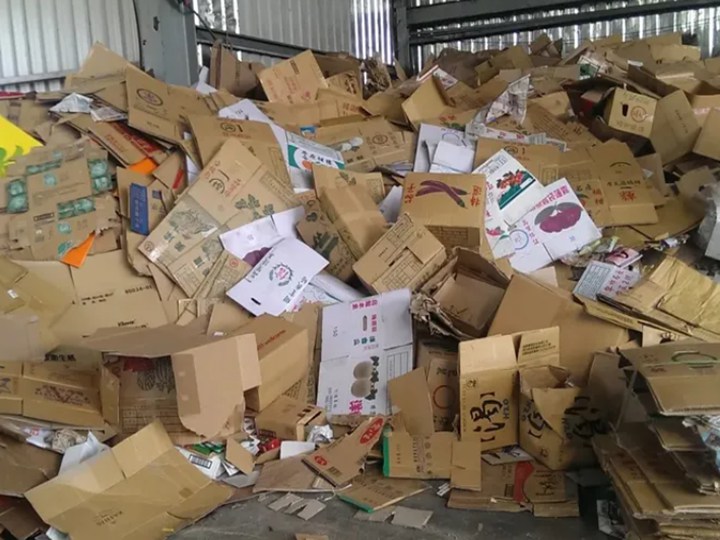
Most paper trays are made from recycled paper pulp, waste cartons, newspapers, or virgin pulp. These materials are mixed with water to create a uniform pulp slurry before entering the molding process.
Using high-quality pulp helps produce trays with:
- Better strength
- Smooth surfaces
- Stable dimensions
- Improved resistance to deformation
The right raw material also contributes to a cleaner finished appearance, which is especially important for premium beverage brands.

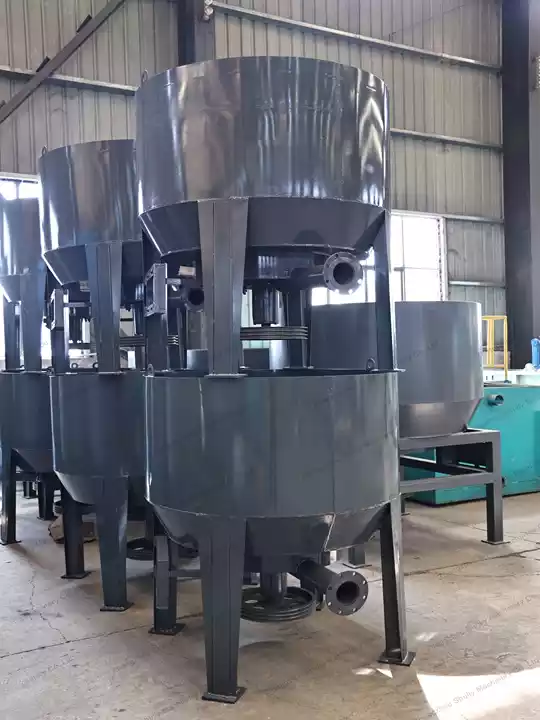
Create a Uniform Pulp Mixture
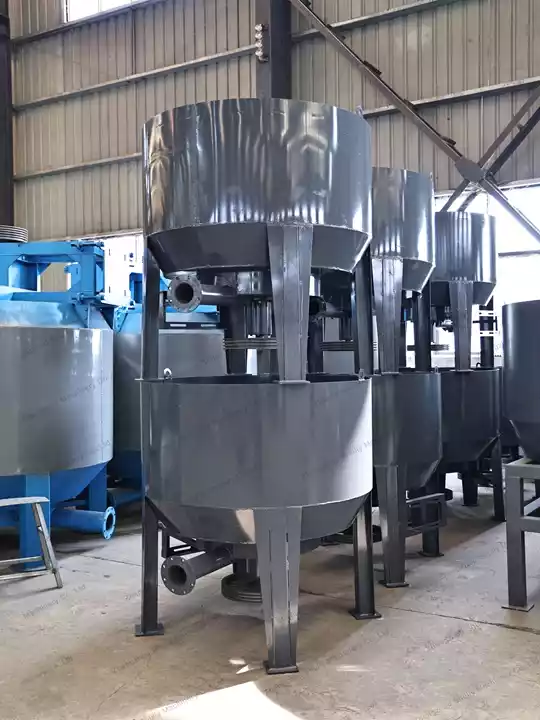
Before molding begins, the paper fibers must be fully dispersed in water.
An evenly mixed pulp slurry allows every part of the mold to receive the same amount of material, reducing defects such as thin edges, weak corners, or uneven thickness.
Proper pulp preparation is one of the most important factors affecting the quality of the finished coffee cup trays.

Precision Molding Makes the Difference
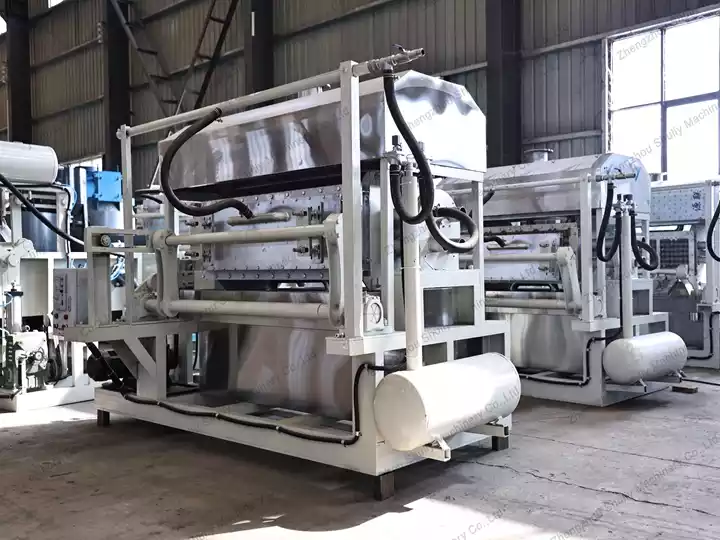
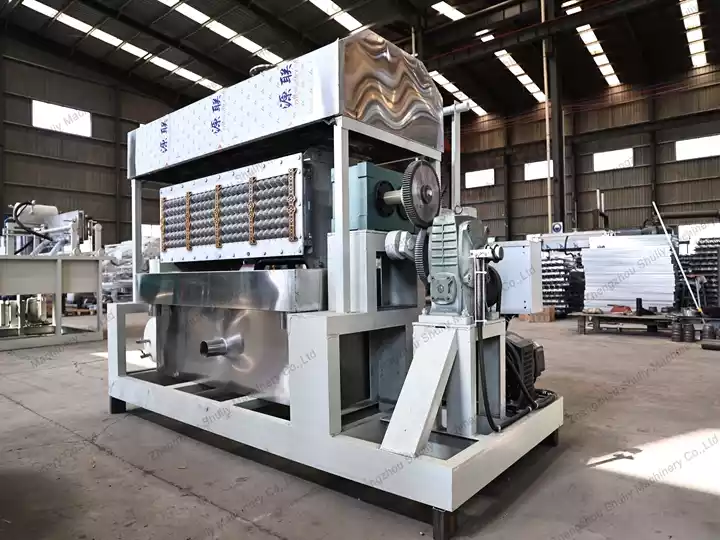
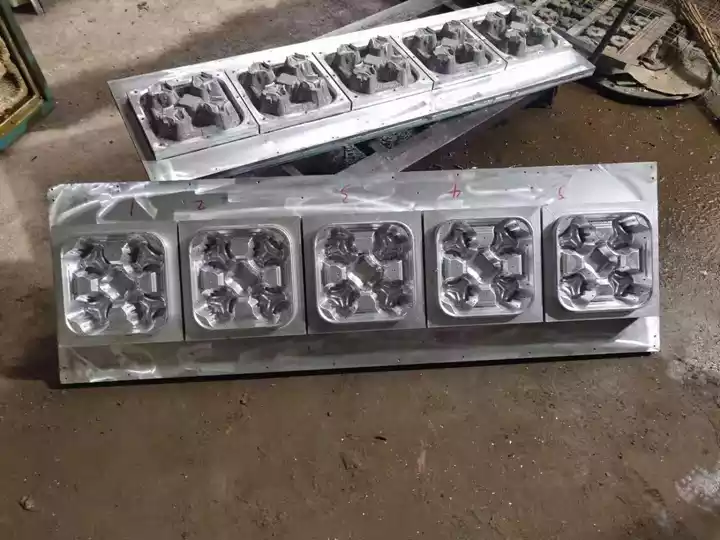
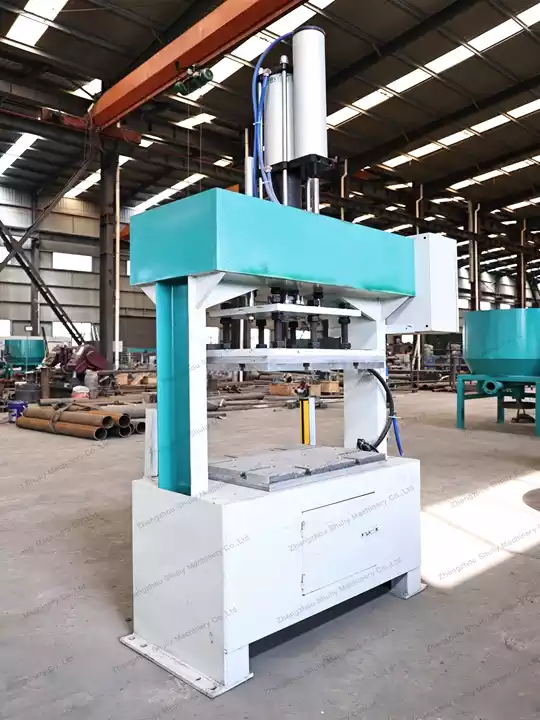
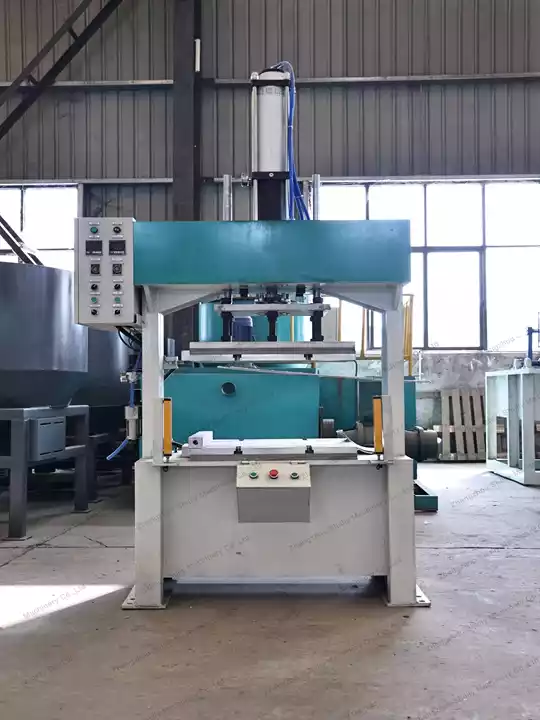
The heart of the production process is the coffee cup tray making machine.
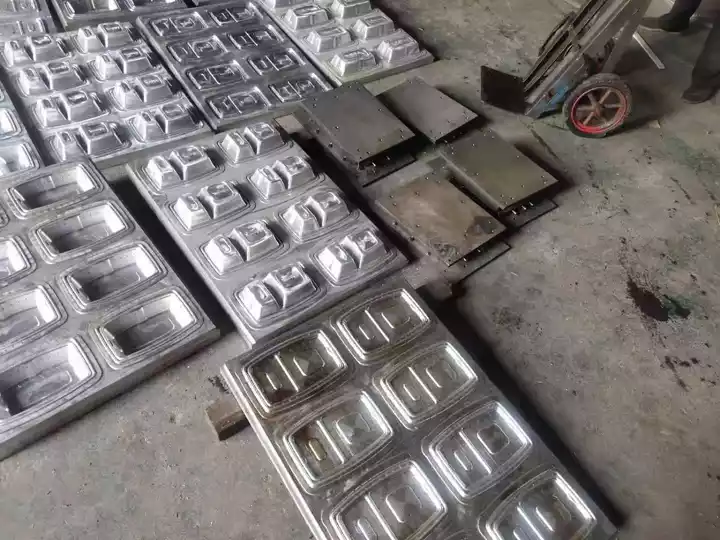
During molding, vacuum pressure draws the pulp onto specially designed molds, forming the familiar tray shape with multiple cup holders.
Accurate mold design helps ensure:
- Uniform wall thickness
- Clear product details
- Smooth tray edges
- Stable cup support
This stage largely determines the strength and appearance of the final product.
Efficient Drying Improves Product Quality
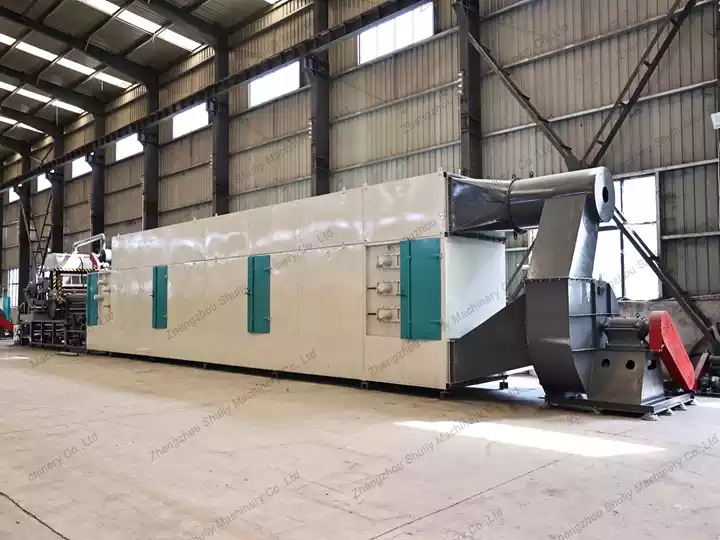
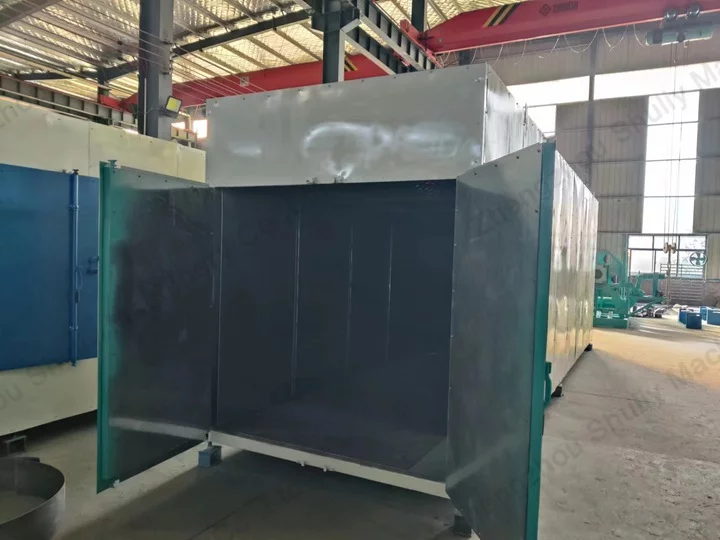
Freshly molded trays contain a high level of moisture and must be dried before packaging.
Proper drying helps the trays:
- Maintain their shape
- Increase structural strength
- Prevent deformation
- Improve storage performance
Depending on production capacity, manufacturers may choose natural drying, drying ovens, or continuous drying systems to achieve the desired efficiency.
Quality Inspection Before Packaging
Even after drying, coffee cup trays typically undergo a final inspection.
Manufacturers check for:
- Uniform dimensions
- Smooth surfaces
- Complete molding
- Proper moisture content
- Stacking performance
Consistent quality is especially important for customers supplying international coffee chains and food packaging distributors.
Why Automation Is Becoming More Popular
As demand for sustainable packaging continues to rise, many manufacturers are moving from manual production to automated systems.
A modern coffee cup tray making machine helps improve production efficiency while maintaining consistent product quality. It also reduces labor requirements and supports continuous manufacturing, making it easier to meet large customer orders.
For growing businesses, automation offers a practical way to increase output without compromising quality.


Building a Competitive Coffee Cup Tray Business
Consumers are increasingly choosing recyclable and biodegradable packaging, creating new opportunities for molded pulp products.
Producing high-quality coffee cup trays is not simply about shaping paper pulp—it requires consistent raw materials, reliable molding, and efficient drying throughout the production process.
For manufacturers planning to expand into the molded pulp packaging industry, investing in a professional coffee cup tray making machine can help improve productivity, ensure stable product quality, and support long-term business growth.